
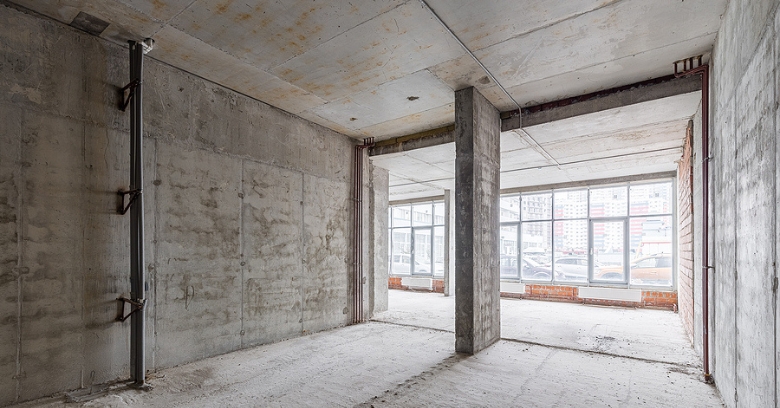
Comparing options for Commercial Remodels in Navasota Texas?
Good Company Construction handles the building side of a commercial update so the owner can stay focused on the business across Navasota Texas businesses.
Call 979-401-2527 to ask how a commercial project like yours would be phased.
The Business Comes First, Then the Building
Tenants and landlords comparing Commercial Remodels in Navasota Texas find that the hardest part is keeping the place working while it changes. Retail wants foot traffic, an office wants quiet, and a place of worship wants a sanctuary ready every weekend, and the schedule is only realistic if it respects them.
With Commercial Remodels, Good Company Construction starts by learning the daily and weekly rhythm of the building, because they decide whether work happens by day, at night, or in short phases.
Staying Open Through a Renovation
When customers, staff, or worshippers keep coming in, the work moves through the building in stages. Sealed partitions and covered floors keep dust and debris where they belong, and a separate entrance for workers and materials keeps the front door clear.
Noisy or disruptive steps are often pushed to evenings and weekends. Tasks with dust, fumes, or utility shutoffs are timed to cause the smallest interruption.
Why Commercial Remodels Raise More Rules Than Homes Do
Spaces where customers, clients, or members come and go have to meet standards for access by people with disabilities, for fire safety, and for getting everyone out in an emergency. Altering a floor plan can bring the building under closer scrutiny, so those questions belong in the first meeting and not the last.
Occupancy type matters too. Places of worship, offices, dining rooms, and stores do not all carry the same requirements. Each jurisdiction sets its own process for plan checks and inspection, so the safe approach is to ask rather than assume.
Does the Building Have Enough Power and Cooling for the New Layout?
A commercial update often asks more from the systems than the original design did. Added equipment, new lighting, and denser seating all push on capacity, so an electrician and a mechanical contractor weigh in during design. Cabling for networks and audio systems is far easier to install during construction than after.
Older Commercial Buildings Hide Things Behind the Walls
A building that has changed hands and purposes over time is rarely exactly what the old drawings show. Structural members cut for earlier equipment, and slabs with sleeves nobody remembers are all things a careful contractor expects and plans a little room for.
If testing suggests that something needs special handling, the sensible step is to find out before demolition starts. Specialists handle these items under formal rules, and an honest conversation at the start avoids confusion later.
Making Interior Space Fit the People Who Use It
A space used by many people every day needs tougher surfaces. Flooring that resists scuffs, wall surfaces that clean easily, and doors and hardware built for heavy use are worth more attention than they get in a quick plan.
Acoustics and lighting do a lot of the work in a finished space. Hard surfaces make a room echo, while ceilings, wall panels, and soft finishes absorb sound, and lighting plans balance daylight, general illumination, and focused task light.
Remodeling a Place of Worship or Meeting Hall
A room that hosts large groups needs to seat many people comfortably. The sound system, the lighting, and the layout of seating and aisles all depend on one another. Tall rooms bring structural, mechanical, and access questions, so it helps to choose a builder who has handled large rooms before.
First Impressions Are Part of the Project
When the building is part of the brand, how the front of the building looks is part of how the organization is judged. Entry doors, glass, awnings, lighting, and signs work together as a single design. Finishes exposed to strong UV and heavy rain is wisely specified with durable materials and good drainage in mind.
Water Management on a Commercial Property
Most commercial roofs are designed very differently from a house roof, so drains, flashing, and rooftop equipment curbs matter a great deal. Heavy downpours, summer heat, and strong sun put the membrane and the seams under stress across the state, and a quick check of the roof before the interior is finished can prevent damage to new finishes.
The ground around the building matters for water management. Water that stands after a rain and ground that has moved with the clay belong on the list of things to look at when the building gets an update.
Notices, Schedules, and a Single Point of Contact
Most complaints during a project come from people who were not told. An update on what is closed this week, what opens next, and what to expect after hours keeps the project from feeling like something that is happening to people. One person who answers questions for the building and one who answers for the work can save time for everybody.
Choosing the Right Weeks for the Work
Commercial buildings do not all slow down at the same time of year. Seasonal businesses plan the work for their off season, and year-round businesses plan it in phases, and a good contractor builds the schedule backward from those dates. Roofing, paving, painting, and other outdoor tasks cannot proceed in a heavy storm, so the finish date is set with weather in mind.
Owners, Tenants, and Approvals
A leased space adds a landlord to the list of people who must agree. Owners of leased buildings often have rules about what tenants can alter, and an organization may need several meetings before a plan is settled. Getting these approvals lined up early saves a good deal of time later.
The final stage of a commercial project has its own checklist. Operating manuals, keys, and records are handed to the owner as the work is completed, and the people who will use the space deserve to know how it works.
The Last Steps Before the Doors Reopen
As the last of the work finishes and the trades begin to clear out, the city or county signs off on the completed work. A final walk-through with the owner, the manager, or the building committee follows once the space has been cleaned, and a punch list is cleared before the job is considered done.
For Commercial Remodels in Navasota Texas, Good Company Construction welcomes a first conversation about what the space has to do. Get in touch at 979-401-2527 to talk through the details.
Verified

Verified
Verified
Verified