
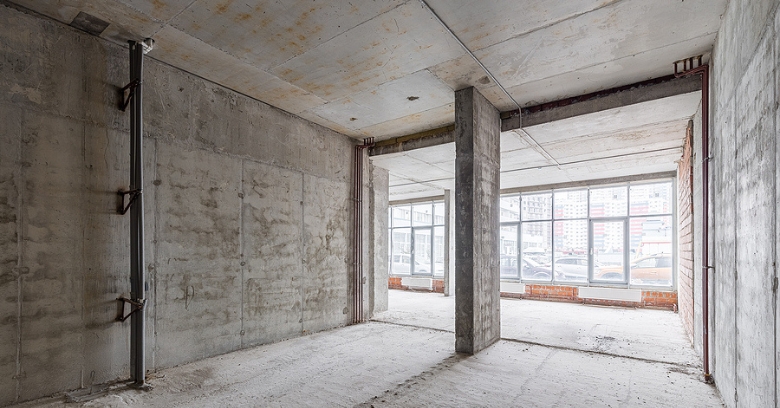
Getting ready to start Office Space Renovation Companies in College Station Texas?
Good Company Construction reworks existing commercial buildings with the schedule, the access, and the code questions in mind across College Station Texas building owners.
Phone 979-401-2527 to ask how a commercial project like yours would be phased.
Every Commercial Update Begins With a Question About Daily Use
A manager or board member researching Office Space Renovation Companies in College Station Texas come to see that the work has to fit the way people use the space. A business loses momentum when its space is out of service, and a congregation loses its rhythm without its building, and each of them changes how the work is staged.
On Office Space Renovation Companies, Good Company Construction asks what has to stay open, what can close, and how much time is available, because the construction sequence follows from them.
Staying Open Through a Renovation
In a building that cannot close, the contractor splits the job into zones and finishes one before opening the next. Signs, detours, and protected routes help people reach what they came for, and the loading route is planned so it does not cross the main entrance.
Some of the work simply has to be done when the building is empty. Cutting concrete, running a loud saw, or taking the water off for a connection are timed to cause the smallest interruption.
The Code Questions That Apply to Public Buildings
Commercial buildings that serve the public answer to codes that cover ramps, restrooms, door widths, alarms, and exit paths. Changing a space may mean bringing related features up to current standards, so those questions belong in the first meeting and not the last.
Occupancy type matters too. Sanctuaries, restaurant dining rooms, open offices, and retail floors each fall under their own set of expectations. Each jurisdiction sets its own process for plan checks and inspection, which makes it wise to confirm the local process before design is finished.
Systems Behind the Walls Set the Limits of a Remodel
A new layout changes where heat, power, and data are needed. Extra computers, kitchen equipment, lighting, and cooling load can outgrow an old electrical panel, so the existing equipment is evaluated while the plan can still change. Data cabling, security, and audio-visual needs deserve a place in the plan as well.
Existing Conditions Shape the Scope More Than the Drawings Do
A commercial property with a long history is rarely exactly what the old drawings show. Ceiling spaces crowded with old ductwork, wiring from past tenants, and pipes that run in unexpected directions belong on the list of reasonable possibilities before the first wall comes down.
Where older materials are involved, testing comes first and demolition second. The requirements are specific and are followed to the letter, and the schedule is adjusted when it applies.
How the Inside of a Commercial Space Comes Together
High-traffic buildings put real demands on every finish. Surfaces that handle foot traffic, carts, chairs, and cleaning make a bigger difference to a commercial space than most owners expect.
Sound and light shape how a room feels. Hard surfaces make a room echo, while ceilings, wall panels, and soft finishes absorb sound, and layered lighting makes a space more comfortable to work or gather in.
Remodeling a Place of Worship or Meeting Hall
A room that hosts large groups has to do several things at once. Aisles, exits, platforms, and the way people enter and leave the room all depend on one another. High ceilings make lighting, sound treatment, and maintenance more involved, so the early conversation matters even more.
The Public Side of a Commercial Remodel
On properties that serve the public, how the front of the building looks is part of how the organization is judged. Entry doors, glass, awnings, lighting, and signs are all part of the same conversation. Surfaces facing summer heat and wind-driven rain needs details that shed water and resist fading.
Beyond the Interior: Roofs, Pavement, and Drainage
Low-slope roofs and flat roofs are the norm on shops and offices, so drains, flashing, and rooftop equipment curbs matter a great deal. Intense heat expands and contracts the roof surface every day, and the seams take the strain, and work that adds equipment on the roof should be coordinated with whoever maintains it.
Pavement and drainage on the property deserve a look as well. Cracked pavement, low spots, and drains that no longer carry water away are common on older commercial sites and are easiest to deal with while contractors are already mobilized.
Communication During a Project in a Working Building
Most complaints during a project come from people who were not told. Written notices, clear signs, and a calendar of upcoming phases goes a long way toward keeping goodwill intact. One person on the owner side and one on the contractor side can save time for everybody.
When to Schedule Construction in a Working Building
The ideal window for construction is rarely the one that is convenient for the builder. Classrooms and meeting rooms are easiest to work on when they are empty, such as during breaks and summer, and the work is organized so the important dates are protected. Sudden storms, strong wind, and extreme summer heat can interrupt outdoor work for days at a time, so indoor tasks are held in reserve for bad-weather days.
Owners, Tenants, and Approvals
Churches and organizations usually answer to a board or committee. Property managers may have standards for contractors and materials, and a decision made by one person may not be final. Making a list of every required sign-off saves a good deal of time later.
Before the doors reopen, a commercial space is checked from end to end. Mechanical, electrical, and life-safety equipment are tested together with the finished spaces, and a careful hand-off makes the first weeks in the renovated space far smoother.
Finishing the Work and Handing the Space Back
Once the new space is ready, the city or county signs off on the completed work. The owner or committee goes through the space with the contractor, and any remaining items go on a short list to be completed before the project is closed.
For owners and managers in College Station Texas planning Office Space Renovation Companies, Good Company Construction is a sensible place to start a conversation about the project. Reach us at 979-401-2527 to talk through the details.
Verified

Verified
Verified
Verified