
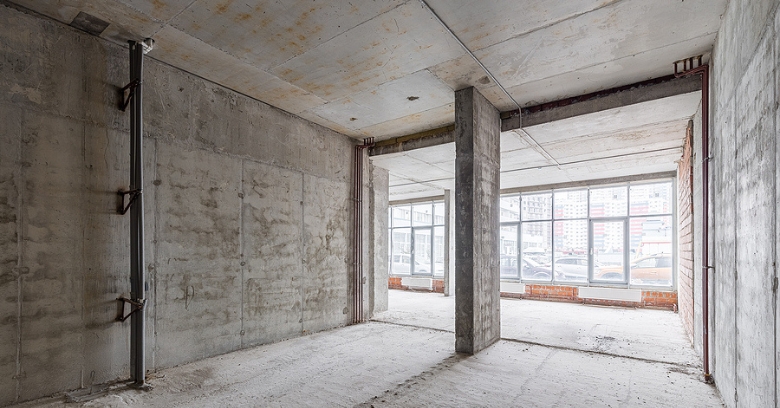
Getting ready to start Retail Building Remodeling Services in College Station Texas?
Good Company Construction handles the building side of a commercial update so the owner can stay focused on the business across College Station Texas congregations.
Reach out at 979-401-2527 to explain the timeline you are working against.
Design Follows Function in a Working Building
Anyone weighing Retail Building Remodeling Services in College Station Texas for a business or a congregation tend to discover that the building is only half the question. A clinic cannot lose its waiting room for a month, a showroom cannot hide its displays, and a school wing cannot lose its classrooms mid-term, and the contractor should ask about them before drawing a line.
On Retail Building Remodeling Services, Good Company Construction asks what has to stay open, what can close, and how much time is available, because they decide where the work zones go.
Staying Open Through a Renovation
If the doors have to stay open during the work, construction is organized area by area. Barriers, floor protection, and clearly marked paths separate visitors from the work zone, and a separate entrance for workers and materials keeps the front door clear.
A few steps cannot be done around people. The loudest, dustiest, or most intrusive steps are usually pushed to nights, weekends, or planned closures.
What Changes in the Rules When a Building Serves the Public
Offices, shops, and gathering spaces have to work for every visitor and be safe in an emergency. Once the layout changes, the local office may want to see how the new plan handles access and exits, so it pays to learn the local requirements before the drawings are final.
The way a building is classified also shapes the rules. Sanctuaries, restaurant dining rooms, open offices, and retail floors sit in different categories for fire and safety planning. Rules differ from city to city and county to county across the state, so the safe approach is to ask rather than assume.
Systems Behind the Walls Set the Limits of a Remodel
Moving walls and equipment shifts the demands on the building systems. Extra computers, kitchen equipment, lighting, and cooling load can outgrow an old electrical panel, so upgrades can be planned instead of improvised. Pathways for low-voltage cabling belong in the drawings from the start.
Hidden Conditions in Aging Commercial Space
A building that has changed hands and purposes over time tends to reveal its history when demolition starts. Older finishes and materials from another era, which may need testing before they are disturbed should be anticipated in the schedule and discussed with the owner in advance.
When the age of a building raises questions about its materials, the sensible step is to find out before demolition starts. There are formal procedures for anything that needs special treatment, and it is better to know early than to be surprised.
Making Interior Space Fit the People Who Use It
Commercial interiors take more wear than most homes do. Surfaces that handle foot traffic, carts, chairs, and cleaning deserve a close look before anything is ordered.
How a space sounds and how it is lit matter as much as how it looks. Open offices, dining rooms, and sanctuaries all have their own sound problems, and each has its own fixes, and the placement of fixtures should follow how the room is used.
Large Gathering Rooms Raise Special Questions
A sanctuary, fellowship hall, or large meeting room is built around sightlines, sound, and safe movement. The sound system, the lighting, and the layout of seating and aisles all depend on one another. Wide spans and high walls change how the work is staged, which is why a good plan for an assembly space is started well ahead of the work.
Exterior Updates That Change How a Building Is Seen
For a business that depends on walk-in traffic, the storefront or entrance sets the tone before anyone steps inside. The entrance, the lighting at night, the signage, and the surrounding walkways add up to the impression the building makes. Surfaces facing summer heat and wind-driven rain calls for materials chosen to hold up to sun and moisture.
Water Management on a Commercial Property
Low-slope roofs and flat roofs are the norm on shops and offices, so the roof needs to be checked whenever the interior below is being changed. Sudden storms and long periods of strong sun age roofing materials faster than many owners expect, and the interior plan should never ignore what is happening overhead.
Pavement and drainage on the property deserve a look as well. Ponding at the entrance, settling near the building, and slopes that send water toward the doors are worth a look because they affect how the building holds up.
Setting Expectations Before the Work Begins
People handle disruption well when they know when, where, and how long. Clear information about parking, entrances, and restroom access lets people adapt before they are inconvenienced. A short chain of communication between the decision maker and the project lead can make it easy to resolve problems the day they appear.
Seasons, Events, and Busy Periods Shape the Schedule
The ideal window for construction is rarely the one that is convenient for the builder. Restaurants often choose the slowest weeks, while offices may prefer weekends or evenings, and the plan should start from the dates the owner cannot change. Heavy rain and high temperatures change what can be poured, sealed, or painted, so indoor tasks are held in reserve for bad-weather days.
Decision Makers Who Shape a Commercial Project
Commercial projects often involve more than one decision maker, and the approvals do not always arrive in the order the schedule needs. Owners of leased buildings often have rules about what tenants can alter, and a congregation may need a vote or a building committee to approve the plan. Identifying the decision makers before the drawings are final saves a good deal of time later.
Closing out a commercial job involves more than a final sweep. The systems that protect people in an emergency are checked before anyone is allowed back in, and any open items are listed with dates for completion.
Finishing the Work and Handing the Space Back
As the last of the work finishes and the trades begin to clear out, the local building office performs its final inspection. A last look at every room happens before the handover, and touch-ups are written down and completed.
For Retail Building Remodeling Services in College Station Texas, Good Company Construction welcomes a first conversation about what the space has to do. Get in touch at 979-401-2527 to set up the first conversation.
Verified

Verified
Verified
Verified