
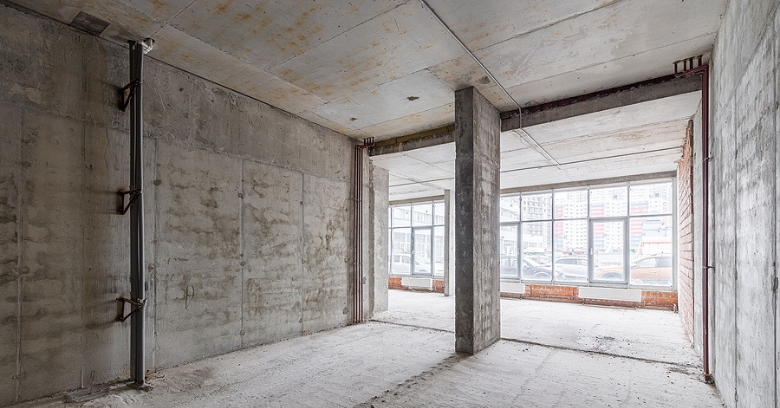
Comparing options for Commercial Building Remodels in Greater Bryan-College Station Area?
Good Company Construction takes on interior and exterior updates for buildings that serve the public throughout Greater Bryan-College Station Area congregations.
Dial 979-401-2527 to ask how a commercial project like yours would be phased.
A Commercial Remodel Starts With How the Space Is Used
Tenants and landlords comparing Commercial Building Remodels in Greater Bryan-College Station Area usually find the operation matters as much as the construction. Retail wants foot traffic, an office wants quiet, and a place of worship wants a sanctuary ready every weekend, and the contractor should ask about them before drawing a line.
On Commercial Building Remodels, Good Company Construction asks what has to stay open, what can close, and how much time is available, because the plan has to protect the people who use the building.
Working in an Occupied Building: Phasing and Access
When a building has to stay in use, the contractor splits the job into zones and finishes one before opening the next. Signs, detours, and protected routes help people reach what they came for, and worker access stays out of the public eye.
A few steps cannot be done around people. Tying into plumbing, switching over electrical service, or applying coatings that smell and need to cure are usually pushed to nights, weekends, or planned closures.
Life Safety Is Part of Every Commercial Update
Any building open to visitors come with requirements that cover accessible routes, fire separation, and the number and width of exits. Changing a space may mean bringing related features up to current standards, so it pays to learn the local requirements before the drawings are final.
What the building is used for sets the baseline. Sanctuaries, restaurant dining rooms, open offices, and retail floors sit in different categories for fire and safety planning. Plan-check practices vary from one jurisdiction to another, and why assumptions based on another town can be wrong.
Electrical, Cooling, and Data Capacity in an Older Building
A new layout changes where heat, power, and data are needed. More people in a space means more heat, more power, and more demand on ventilation, so the existing equipment is evaluated while the plan can still change. Data cabling, security, and audio-visual needs deserve a place in the plan as well.
What Demolition Turns Up in an Existing Building
A commercial property with a long history is rarely exactly what the old drawings show. Older finishes and materials from another era, which may need testing before they are disturbed are far easier to handle when they were mentioned at the start.
With buildings from certain eras, the sensible step is to find out before demolition starts. Specialists handle these items under formal rules, and the owner should hear about it before the work, not during it.
Interior Build-Out: Walls, Ceilings, Floors, and Light
A business interior is expected to look good under constant use. Surfaces that handle foot traffic, carts, chairs, and cleaning make a bigger difference to a commercial space than most owners expect.
Sound and light shape how a room feels. A ceiling treatment or a change in wall material can calm a noisy room, and the lighting layout is easiest to settle before the ceiling is closed.
Remodeling a Place of Worship or Meeting Hall
A room that hosts large groups has to do several things at once. The sound system, the lighting, and the layout of seating and aisles are part of a single plan. High ceilings make lighting, sound treatment, and maintenance more involved, so schedules for these rooms need extra planning.
First Impressions Are Part of the Project
For many commercial owners and for most organizations that welcome the public, the street-facing side carries a lot of weight. Parking surfaces, walkways, landscaping edges, and the entrance doors should be planned as a unit. Weather in the state is hard on exposed materials needs details that shed water and resist fading.
Why the Exterior Shell Belongs in the Remodel Conversation
Commercial roofs are usually flat or low-slope, so ponding water and failed seams are the usual causes of trouble. Hail, wind, and sun all take their turn on exposed roofing, and it is better to find a leak path before the new ceiling goes up.
Pavement and drainage on the property deserve a look as well. Ponding at the entrance, settling near the building, and slopes that send water toward the doors are common on older commercial sites and are easiest to deal with while contractors are already mobilized.
Notices, Schedules, and a Single Point of Contact
Most complaints during a project come from people who were not told. Clear information about parking, entrances, and restroom access helps everyone plan around the work. A short chain of communication between the decision maker and the project lead can keep decisions moving.
Seasons, Events, and Busy Periods Shape the Schedule
Every kind of building has a busy season and a quiet one. Classrooms and meeting rooms are easiest to work on when they are empty, such as during breaks and summer, and the owner should say early which dates matter most. Roofing, paving, painting, and other outdoor tasks cannot proceed in a heavy storm, so the finish date is set with weather in mind.
Approvals Beyond the Building Office
Churches and organizations usually answer to a board or committee. A tenant may need the landlord's approval for changes to walls, systems, or the exterior, and a committee often has to sign off on design decisions. Identifying the decision makers before the drawings are final keeps a commercial project from stalling at the last minute.
Commercial punch lists are longer than residential ones. Emergency lighting, exit signs, door hardware, alarms, and accessible features are tested, and any open items are listed with dates for completion.
Finishing the Work and Handing the Space Back
As the last of the work finishes and the trades begin to clear out, an inspector checks the finished building. A last look at every room happens before the handover, and a punch list is cleared before the job is considered done.
For Commercial Building Remodels in Greater Bryan-College Station Area, Good Company Construction is a sensible place to start a conversation about the project. Call 979-401-2527 to begin sorting out the phases.