
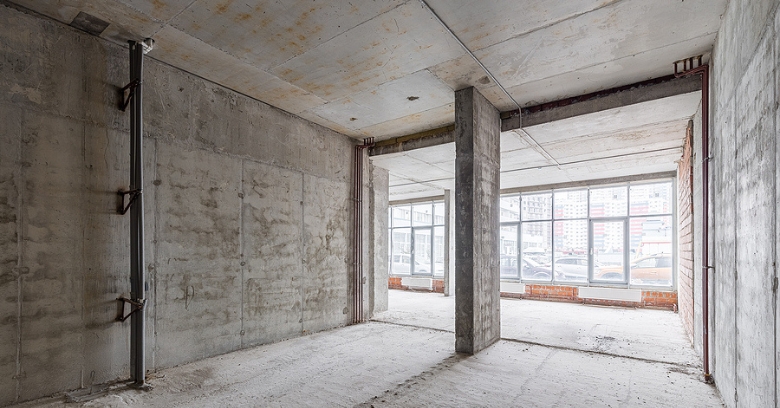
Weighing Public Service Building Makeover Services in College Station Texas?
Good Company Construction handles the building side of a commercial update so the owner can stay focused on the business for College Station Texas congregations.
Phone 979-401-2527 to explain the timeline you are working against.
Every Commercial Update Begins With a Question About Daily Use
Tenants and landlords comparing Public Service Building Makeover Services in College Station Texas find that the hardest part is keeping the place working while it changes. A clinic cannot lose its waiting room for a month, a showroom cannot hide its displays, and a school wing cannot lose its classrooms mid-term, and the construction plan has to start from those limits.
Good Company Construction treats Public Service Building Makeover Services as a scheduling puzzle before it is a construction project, because the answers decide the sequence of the whole job.
Keeping the Doors Open While Construction Goes On
When a building has to stay in use, the project is broken into sections that can be sealed off. Temporary walls, dust barriers, and protected walkways keep the public away from the work, and worker access stays out of the public eye.
Some of the work simply has to be done when the building is empty. Tying into plumbing, switching over electrical service, or applying coatings that smell and need to cure are usually pushed to nights, weekends, or planned closures.
The Code Questions That Apply to Public Buildings
Offices, shops, and gathering spaces have to work for every visitor and be safe in an emergency. Changing a space may mean bringing related features up to current standards, so those questions belong in the first meeting and not the last.
The way a building is classified also shapes the rules. Meeting halls, clinics, classroom wings, and warehouse showrooms each fall under their own set of expectations. Local authorities in the state interpret and apply these standards in their own way, and why assumptions based on another town can be wrong.
Mechanical and Electrical Needs Change With the Floor Plan
Moving walls and equipment shifts the demands on the building systems. Extra computers, kitchen equipment, lighting, and cooling load can outgrow an old electrical panel, so the remodel plan should confirm what the systems can carry before the new layout is final. Data cabling, security, and audio-visual needs deserve a place in the plan as well.
Older Commercial Buildings Hide Things Behind the Walls
A building that has changed hands and purposes over time usually has a few secrets above the ceiling and inside the walls. Plumbing that no longer serves anything, wiring that nobody can trace, and framing changed for an earlier layout should be anticipated in the schedule and discussed with the owner in advance.
If testing suggests that something needs special handling, testing comes first and demolition second. The proper process is set by regulation, not by the contractor's preference, and the owner should hear about it before the work, not during it.
Making Interior Space Fit the People Who Use It
Floors, walls, and doors in a public space see steady traffic. Materials chosen for how they age under daily use make a bigger difference to a commercial space than most owners expect.
Sound and light shape how a room feels. Careful choices about ceiling height, materials, and partitions control how voices carry, and the placement of fixtures should follow how the room is used.
Updating a Room Built to Hold a Crowd
A sanctuary, fellowship hall, or large meeting room needs to seat many people comfortably. Sight lines to the front, the sound system, and the lighting all depend on one another. Large-span ceilings and tall walls add their own construction questions, so schedules for these rooms need extra planning.
Exterior Updates That Change How a Building Is Seen
For congregations and organizations that welcome visitors, the entrance is the first thing a visitor sees. Entry doors, glass, awnings, lighting, and signs are easier to handle when considered together. Weather in the state is hard on exposed materials needs details that shed water and resist fading.
Site and Shell Work Around a Commercial Building
Most commercial roofs are designed very differently from a house roof, so the details around drains, edges, and equipment decide whether it stays dry. Heavy downpours, summer heat, and strong sun put the membrane and the seams under stress across the state, and the interior plan should never ignore what is happening overhead.
Pavement and drainage on the property deserve a look as well. Ponding at the entrance, settling near the building, and slopes that send water toward the doors belong on the list of things to look at when the building gets an update.
How to Keep Everyone Informed While Construction Is Under Way
A remodel is much easier on everyone when people know what is coming. Written notices, clear signs, and a calendar of upcoming phases goes a long way toward keeping goodwill intact. One person who answers questions for the building and one who answers for the work can prevent mixed messages.
Seasons, Events, and Busy Periods Shape the Schedule
Businesses and congregations run on calendars that the construction schedule has to respect. Restaurants often choose the slowest weeks, while offices may prefer weekends or evenings, and the plan should start from the dates the owner cannot change. In much of the state, hot afternoons and storm seasons limit what can be done outside, so a little extra time is built in for the days that cannot be worked.
Decision Makers Who Shape a Commercial Project
A leased space adds a landlord to the list of people who must agree. The lease usually spells out which changes need approval and from whom, and a board has to agree on scope and schedule. Making a list of every required sign-off helps everyone understand the timeline.
Before the doors reopen, a commercial space is checked from end to end. Operating manuals, keys, and records are handed to the owner as the work is completed, and the people who will use the space deserve to know how it works.
Moving From Final Inspection to Reopening
As the last of the work finishes and the trades begin to clear out, the final inspection from the local authority confirms the work meets code. Everyone responsible for the space goes over the finished work together, and a punch list is cleared before the job is considered done.
When Public Service Building Makeover Services is on the calendar in College Station Texas, Good Company Construction can explain how a project like yours would be staged and scheduled. Reach us at 979-401-2527 to begin sorting out the phases.
Verified

Verified
Verified
Verified