
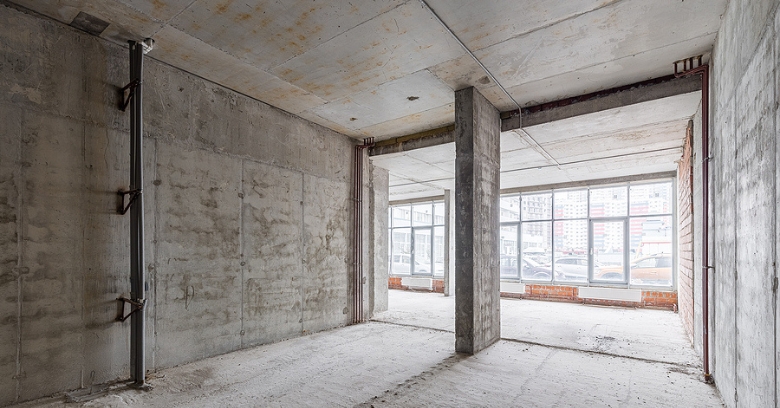
Planning Commercial Building Remodeling Services in College Station Texas?
Good Company Construction reworks existing commercial buildings with the schedule, the access, and the code questions in mind in College Station Texas organizations.
Reach out at 979-401-2527 to describe the space you want changed.
The Business Comes First, Then the Building
A manager or board member researching Commercial Building Remodeling Services in College Station Texas find that the hardest part is keeping the place working while it changes. A clinic cannot lose its waiting room for a month, a showroom cannot hide its displays, and a school wing cannot lose its classrooms mid-term, and the schedule is only realistic if it respects them.
Good Company Construction treats Commercial Building Remodeling Services as a scheduling puzzle before it is a construction project, because the answers decide the sequence of the whole job.
Work Zones, Barriers, and Detours in a Live Building
In a building that cannot close, the project is broken into sections that can be sealed off. Sealed partitions and covered floors keep dust and debris where they belong, and noisy tasks are scheduled away from quiet hours.
Certain tasks are ideally done after closing. Tying into plumbing, switching over electrical service, or applying coatings that smell and need to cure belong to the part of the schedule that has the fewest people around.
Life Safety Is Part of Every Commercial Update
Offices, shops, and gathering spaces answer to codes that cover ramps, restrooms, door widths, alarms, and exit paths. A remodel can trigger a closer look at those items, so the plan has to account for the rules from the beginning.
A change in use is its own question. Meeting halls, clinics, classroom wings, and warehouse showrooms have different rules for occupancy and egress. Each jurisdiction sets its own process for plan checks and inspection, which is another reason to talk to the local office early.
Planning Utilities Before Drawing the New Layout
Moving walls and equipment shifts the demands on the building systems. Added equipment, new lighting, and denser seating all push on capacity, so the existing equipment is evaluated while the plan can still change. Data cabling, security, and audio-visual needs deserve a place in the plan as well.
What Demolition Turns Up in an Existing Building
A structure whose records are incomplete usually has a few secrets above the ceiling and inside the walls. Ceiling spaces crowded with old ductwork, wiring from past tenants, and pipes that run in unexpected directions belong on the list of reasonable possibilities before the first wall comes down.
If testing suggests that something needs special handling, testing comes first and demolition second. Rules for handling and disposal come from state and federal authorities, and the owner should hear about it before the work, not during it.
Interior Build-Out: Walls, Ceilings, Floors, and Light
Floors, walls, and doors in a public space see steady traffic. Durable floor coverings, washable paints, and hardware that holds up are often the difference between a space that ages well and one that looks tired quickly.
Acoustics and lighting do a lot of the work in a finished space. A ceiling treatment or a change in wall material can calm a noisy room, and the lighting layout is easiest to settle before the ceiling is closed.
Planning for Seating, Sound, and Sightlines
A hall used for worship, for events, or for the community serves a purpose that most other rooms do not. Sight lines to the front, the sound system, and the lighting have to be considered together when the room is changed. Work at height needs planning, equipment, and time, so the early conversation matters even more.
Storefronts, Entrances, and the Face of the Building
For a business that depends on walk-in traffic, the exterior is as important as the interior. Exterior paint, trim, glazing, and the entry doors should be planned as a unit. Surfaces facing summer heat and wind-driven rain depends on careful flashing, sealants, and coatings.
Site and Shell Work Around a Commercial Building
Low-slope roofs and flat roofs are the norm on shops and offices, so the details around drains, edges, and equipment decide whether it stays dry. Intense heat expands and contracts the roof surface every day, and the seams take the strain, and work that adds equipment on the roof should be coordinated with whoever maintains it.
Parking lots and entrances take a beating and affect how the building works. Uneven walkways, worn striping, and drainage that has silted up are common on older commercial sites and are easiest to deal with while contractors are already mobilized.
How to Keep Everyone Informed While Construction Is Under Way
Surprises are the hardest part of living through construction. A brief weekly summary shared with staff, tenants, or the congregation goes a long way toward keeping goodwill intact. A single point of contact on each side can save time for everybody.
Timing a Commercial Project Around the Calendar
The ideal window for construction is rarely the one that is convenient for the builder. Events, deadlines, and inspections all place dates on the calendar that cannot move, and the work is organized so the important dates are protected. Heavy rain and high temperatures change what can be poured, sealed, or painted, so outdoor phases are scheduled with some flexibility.
Owners, Tenants, and Approvals
A leased space adds a landlord to the list of people who must agree. Lease terms can limit the work or require specific approvals, and a decision made by one person may not be final. Getting these approvals lined up early keeps the schedule realistic.
Closing out a commercial job involves more than a final sweep. Signs, lighting, door closers, restroom fixtures, and safety devices are confirmed to be working, and the people who will use the space deserve to know how it works.
Moving From Final Inspection to Reopening
When construction wraps up, an inspector checks the finished building. Everyone responsible for the space goes over the finished work together, and a punch list is cleared before the job is considered done.
For owners and managers in College Station Texas planning Commercial Building Remodeling Services, Good Company Construction is a sensible place to start a conversation about the project. Get in touch at 979-401-2527 to share what the space needs to do.
Verified

Verified
Verified
Verified