
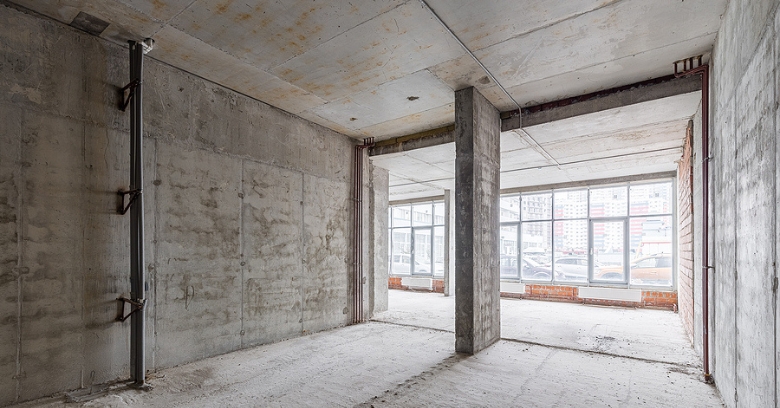
Need Commercial Building Redesign Services in College Station Texas?
Good Company Construction renovates offices, shops, and gathering spaces while the people who use them keep working across College Station Texas tenants.
Reach out at 979-401-2527 to describe the space you want changed.
Before Anything Is Torn Out, Understand the Operation
Anyone weighing Commercial Building Redesign Services in College Station Texas for a business or a congregation tend to discover that the building is only half the question. Shops need to stay open, offices need to keep their people productive, and meeting halls need to host their events, and a good remodel plan is written around those facts.
With Commercial Building Redesign Services, Good Company Construction starts by learning the daily and weekly rhythm of the building, because they decide whether work happens by day, at night, or in short phases.
Staying Open Through a Renovation
If the doors have to stay open during the work, the work moves through the building in stages. Temporary walls, dust barriers, and protected walkways keep the public away from the work, and worker access stays out of the public eye.
Certain tasks are ideally done after closing. Tasks with dust, fumes, or utility shutoffs are the kind of tasks planned for hours when the space is quiet.
Why Commercial Remodels Raise More Rules Than Homes Do
Any building open to visitors come with requirements that cover accessible routes, fire separation, and the number and width of exits. Altering a floor plan can bring the building under closer scrutiny, so the plan has to account for the rules from the beginning.
The way a building is classified also shapes the rules. Places of worship, offices, dining rooms, and stores each fall under their own set of expectations. Local authorities in the state interpret and apply these standards in their own way, so the safe approach is to ask rather than assume.
Does the Building Have Enough Power and Cooling for the New Layout?
A commercial update often asks more from the systems than the original design did. Modern equipment and a fuller floor can strain a panel that was installed long ago, so the existing equipment is evaluated while the plan can still change. Pathways for low-voltage cabling belong in the drawings from the start.
Existing Conditions Shape the Scope More Than the Drawings Do
A building that has changed hands and purposes over time can hide old repairs, abandoned lines, and altered framing. Structural members cut for earlier equipment, and slabs with sleeves nobody remembers should be anticipated in the schedule and discussed with the owner in advance.
Whenever the condition of old finishes is uncertain, the first priority is a proper assessment, not guesswork. The proper process is set by regulation, not by the contractor's preference, and the schedule is adjusted when it applies.
Interior Build-Out: Walls, Ceilings, Floors, and Light
High-traffic buildings put real demands on every finish. Flooring that resists scuffs, wall surfaces that clean easily, and doors and hardware built for heavy use are often the difference between a space that ages well and one that looks tired quickly.
How a space sounds and how it is lit matter as much as how it looks. A ceiling treatment or a change in wall material can calm a noisy room, and layered lighting makes a space more comfortable to work or gather in.
Updating a Room Built to Hold a Crowd
A hall used for worship, for events, or for the community is built around sightlines, sound, and safe movement. Sight lines to the front, the sound system, and the lighting are tied to each other, so changing one affects the rest. Tall rooms bring structural, mechanical, and access questions, which is why a good plan for an assembly space is started well ahead of the work.
First Impressions Are Part of the Project
When the building is part of the brand, the entrance is the first thing a visitor sees. Parking surfaces, walkways, landscaping edges, and the entrance doors add up to the impression the building makes. Finishes exposed to strong UV and heavy rain depends on careful flashing, sealants, and coatings.
Water Management on a Commercial Property
Low-slope roofs and flat roofs are the norm on shops and offices, so drains, flashing, and rooftop equipment curbs matter a great deal. Storms in the state can deliver a large amount of rain in a short time, and drains have to keep up, and a quick check of the roof before the interior is finished can prevent damage to new finishes.
Pavement and drainage on the property deserve a look as well. Water that stands after a rain and ground that has moved with the clay affect how visitors reach the door and how water leaves the property.
Telling Staff, Customers, and Members What to Expect
Surprises are the hardest part of living through construction. A brief weekly summary shared with staff, tenants, or the congregation cuts down on questions and complaints. One person who answers questions for the building and one who answers for the work can keep decisions moving.
Planning Around the Rhythm of the Business Year
Every kind of building has a busy season and a quiet one. Restaurants often choose the slowest weeks, while offices may prefer weekends or evenings, and the owner should say early which dates matter most. Heavy rain and high temperatures change what can be poured, sealed, or painted, so a little extra time is built in for the days that cannot be worked.
Landlords, Boards, and Committees: Getting Sign-Off
Commercial projects often involve more than one decision maker, and the approvals do not always arrive in the order the schedule needs. A tenant may need the landlord's approval for changes to walls, systems, or the exterior, and a decision made by one person may not be final. Making a list of every required sign-off saves a good deal of time later.
Closing out a commercial job involves more than a final sweep. Signs, lighting, door closers, restroom fixtures, and safety devices are confirmed to be working, and the people who will use the space deserve to know how it works.
Wrapping Up a Commercial Remodel
As the last of the work finishes and the trades begin to clear out, the city or county signs off on the completed work. A last look at every room happens before the handover, and open items are resolved before the space is turned back over.
For owners and managers in College Station Texas planning Commercial Building Redesign Services, Good Company Construction can begin with a conversation about the operation, the building, and the timeline. Call 979-401-2527 to begin sorting out the phases.
Verified

Verified
Verified
Verified