
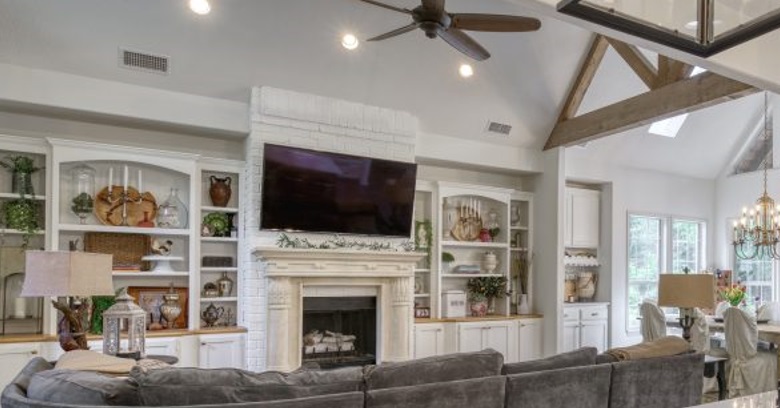
Ready to talk with Whole Home Remodels in College Station Texas?
Good Company Construction pulls the plans, the permits, and the subcontractors together under one plan across College Station Texas households.
Reach out at 979-401-2527 to start a conversation about your plans.
A General Contractor Is the Hub of the Whole Project
Anyone researching Whole Home Remodels in College Station Texas finds that one name stands for many different tasks. The contractor of record carries responsibility for how everything fits together. It lines up the trades and the deliveries, and it holds the overall plan so the owner does not have to.
The work is management as much as building, and it is what many owners are really paying attention to. The trades are specialties in their own right, though what matters most is the order and the quality of the handoffs. For Whole Home Remodels, Good Company Construction focuses on keeping every part of the project connected, and the schedule shows it from the first week.
Choosing How the Design and the Building Are Organized
Under a design-build approach, the same firm handles both the design and the construction. Problems of structure, access, and sequence surface during design, not after it, and decisions move faster because nobody is passing the plans back and forth.
The other path is a separate designer and builder, and it has been used for many successful projects. The plans become a document that several contractors can study, which appeals to owners with a strong design in mind. The right choice depends on the project and on the owner, and Whole Home Remodels in College Station Texas can be planned either way.
What an Addition Changes About a House
An addition to an existing home has to be joined to a house that was built to different standards. A new slab or pier line must be made compatible with the existing foundation, and flashing and slope at the junction decide whether it stays dry. The existing equipment may or may not be enough for the added space, and the answer should come before the plans are final.
The frame carries the whole job, and the rest of the job depends on it. Straight walls, a flat floor, and square window and door openings make trim, cabinets, and doors fit without fuss. Contractors who do this daily know, and the lesson is that time spent on the frame is time saved on the finish.
Matching the New Work to the Old House
A structurally sound addition may stand out from the rest of the house, when the exterior details were chosen separately. Existing materials have changed color with the weather, and new ones have not, and the owner should see the options before anything is ordered.
Roof shape is the detail most people notice first, and it is worth planning before the framing starts. Carrying the original pitch and overhang through to the new section keeps the house balanced, and it makes the rainwater path easier to manage.
Mechanical Systems Have to Grow With the House
Every added room puts more demand on systems that were sized for the original house, and it is a point worth raising early. A cooling system that kept the old rooms comfortable might struggle with a larger home through a long summer, and checking the load in advance prevents rework. The electrical panel and the plumbing supply deserve the same question, and the findings go into the scope of work.
Whole-Home Remodels: Planning the Entire House at Once
A whole-home remodel, makeover, or redesign needs a plan for how the house will be lived in during the work. Living in the home during construction is possible for some projects, and the sequence of rooms is chosen with it in mind.
Houses of a certain age may hold hidden conditions, and experienced builders plan for that. Wiring from another era, plumbing that has been patched, and framing that has been altered turn up often once the surface comes off. A flexible plan and an honest conversation about the unknowns help the whole job go more smoothly.
Why Permits Matter More as the Work Gets Bigger
Once a project goes beyond cosmetic updates, the more likely it is that a permit is required. Every jurisdiction in the state decides for itself what work needs a permit, and the contractor of record normally takes care of pulling them. Subdivision rules may add an extra step, and the rules are usually easy to obtain from the association.
How to Tell Whether a Contractor Is the Right Fit
Choosing who will run a larger project comes down to both the formal side and the working relationship. Find out who is responsible for permits, inspections, and the final sign-off, and ask who will be on the job day to day and who the owner can reach.
A careful owner confirms that the documents the jurisdiction asks for are in order, and get the list of what is included, and what is not, set out in plain words. A builder who is comfortable with these questions tends to have a system behind the answers.
Why Staging Matters When the House Stays Occupied
A schedule for a larger project is built backward from the items that take the longest, and the longest wait sets the pace for the rest. Specialty orders can run longer than any other part of the project, so the sequence of purchases is planned alongside the sequence of work.
When the household stays in the house, work areas are separated from living areas. Temporary walls, protected floors, and a defined work zone keep daily life going while the building work continues. Owners who prepare for this ahead of time get through the work with fewer frustrations.
Owner Choices That Keep a Project on Schedule
There are many selections to make before and during a job, and the choices add up over a few weeks. Doors, trim profiles, cabinet hardware, and surfaces all carry deadlines that are set by delivery times. When the contractor provides a schedule of decisions saves the owner from last-minute pressure.
Drawings are what every trade reads before it starts, and well-prepared drawings save time. Each specialist pulls different information from the same sheets, from wall locations to fixture positions, so a set that leaves gaps tends to produce mistakes in the field.
From Final Inspection to the Final Walk-Through
At the end of a larger project, the contractor and the owner inspect the finished project side by side. Loose ends are collected on a punch list and cleared, and the paperwork is closed once the final inspection is passed.
If your plans in College Station Texas include Whole Home Remodels, Good Company Construction is a good place to begin a conversation about your plans. Phone 979-401-2527 to explain what you are planning.
Verified

Verified
Verified
Verified