
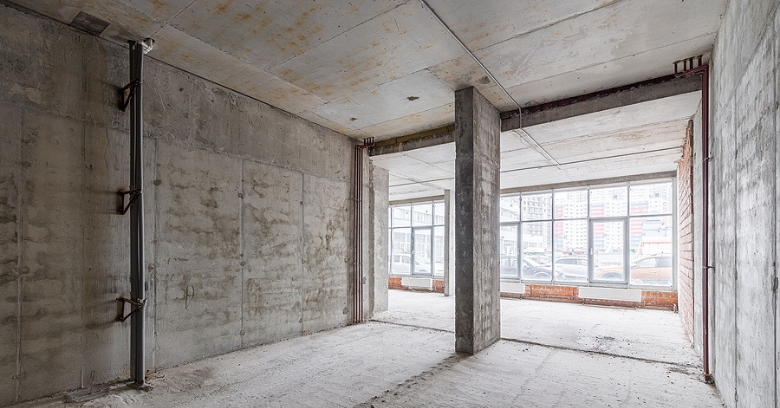
Comparing options for Church Remodeling Companies in Brenham Texas?
Good Company Construction reworks existing commercial buildings with the schedule, the access, and the code questions in mind in Brenham Texas businesses.
Dial 979-401-2527 to start with how your business uses the space today.
Every Commercial Update Begins With a Question About Daily Use
A manager or board member researching Church Remodeling Companies in Brenham Texas find that the hardest part is keeping the place working while it changes. Shops need to stay open, offices need to keep their people productive, and meeting halls need to host their events, and the contractor should ask about them before drawing a line.
Good Company Construction begins Church Remodeling Companies with questions about the operation, because the construction sequence follows from them.
Working in an Occupied Building: Phasing and Access
If the doors have to stay open during the work, the work is divided into phases that isolate one area at a time. Containment and clear wayfinding keep the building usable, and noisy tasks are scheduled away from quiet hours.
Work that affects power, water, or access is often scheduled for off hours. Cutting concrete, running a loud saw, or taking the water off for a connection belong to the part of the schedule that has the fewest people around.
Why Commercial Remodels Raise More Rules Than Homes Do
Spaces where customers, clients, or members come and go have to work for every visitor and be safe in an emergency. Altering a floor plan can bring the building under closer scrutiny, so the plan has to account for the rules from the beginning.
Occupancy type matters too. Sanctuaries, restaurant dining rooms, open offices, and retail floors have different rules for occupancy and egress. Rules differ from city to city and county to county across the state, which is why the plan should be checked against local requirements.
Mechanical and Electrical Needs Change With the Floor Plan
Rearranging a space rearranges its utility needs. More people in a space means more heat, more power, and more demand on ventilation, so the remodel plan should confirm what the systems can carry before the new layout is final. Data cabling, security, and audio-visual needs deserve a place in the plan as well.
Older Commercial Buildings Hide Things Behind the Walls
A building that has changed hands and purposes over time can hide old repairs, abandoned lines, and altered framing. Ceiling spaces crowded with old ductwork, wiring from past tenants, and pipes that run in unexpected directions are far easier to handle when they were mentioned at the start.
When the age of a building raises questions about its materials, testing comes first and demolition second. The requirements are specific and are followed to the letter, and a good builder is clear with the owner about how that part of the job works.
Layout, Acoustics, and Finishes in a Working Interior
Floors, walls, and doors in a public space see steady traffic. Flooring that resists scuffs, wall surfaces that clean easily, and doors and hardware built for heavy use make a bigger difference to a commercial space than most owners expect.
Acoustics and lighting do a lot of the work in a finished space. Open offices, dining rooms, and sanctuaries all have their own sound problems, and each has its own fixes, and lighting plans balance daylight, general illumination, and focused task light.
Remodeling a Place of Worship or Meeting Hall
A hall used for worship, for events, or for the community needs to seat many people comfortably. The sound system, the lighting, and the layout of seating and aisles cannot be treated as separate decisions. High ceilings make lighting, sound treatment, and maintenance more involved, so it helps to choose a builder who has handled large rooms before.
Storefronts, Entrances, and the Face of the Building
For congregations and organizations that welcome visitors, how the front of the building looks is part of how the organization is judged. Entry doors, glass, awnings, lighting, and signs add up to the impression the building makes. Surfaces facing summer heat and wind-driven rain rewards careful detailing at every joint.
Water Management on a Commercial Property
A typical commercial roof is built to hold water back and then shed it slowly, so drains, flashing, and rooftop equipment curbs matter a great deal. Heavy downpours, summer heat, and strong sun put the membrane and the seams under stress across the state, and it is better to find a leak path before the new ceiling goes up.
Site surfaces and grading often get overlooked. Cracked pavement, low spots, and drains that no longer carry water away are worth a look because they affect how the building holds up.
How to Keep Everyone Informed While Construction Is Under Way
People handle disruption well when they know when, where, and how long. Clear information about parking, entrances, and restroom access lets people adapt before they are inconvenienced. A short chain of communication between the decision maker and the project lead can make it easy to resolve problems the day they appear.
When to Schedule Construction in a Working Building
Commercial buildings do not all slow down at the same time of year. Classrooms and meeting rooms are easiest to work on when they are empty, such as during breaks and summer, and the plan should start from the dates the owner cannot change. Heavy rain and high temperatures change what can be poured, sealed, or painted, so a little extra time is built in for the days that cannot be worked.
Landlords, Boards, and Committees: Getting Sign-Off
Several parties may need to approve a remodel before it starts. A tenant may need the landlord's approval for changes to walls, systems, or the exterior, and a congregation may need a vote or a building committee to approve the plan. Getting these approvals lined up early keeps the schedule realistic.
The final stage of a commercial project has its own checklist. The systems that protect people in an emergency are checked before anyone is allowed back in, and any open items are listed with dates for completion.
Moving From Final Inspection to Reopening
When construction wraps up, the local office looks over the completed project. The owner or committee goes through the space with the contractor, and any remaining items go on a short list to be completed before the project is closed.
For Church Remodeling Companies in Brenham Texas, Good Company Construction can begin with a conversation about the operation, the building, and the timeline. Call 979-401-2527 to share what the space needs to do.
Verified

Verified
Verified
Verified