
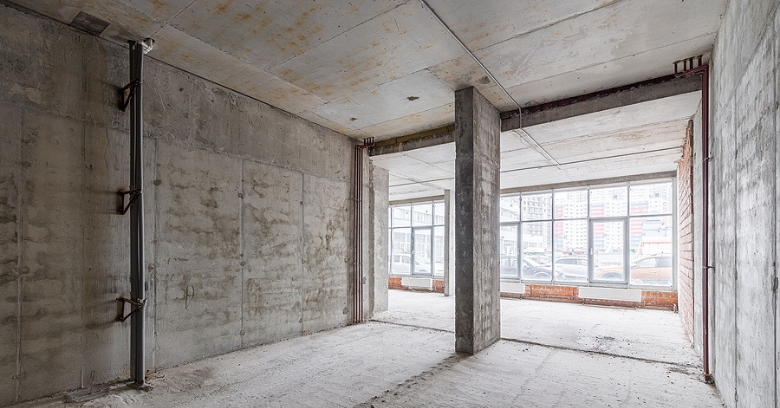
Weighing Office Space Remodel Companies in Caldwell Texas?
Good Company Construction plans commercial renovations around the way the business or congregation actually operates for Caldwell Texas building owners.
Dial 979-401-2527 to explain the timeline you are working against.
The Business Comes First, Then the Building
A manager or board member researching Office Space Remodel Companies in Caldwell Texas soon learn the project is shaped by what happens inside the walls every day. Shops need to stay open, offices need to keep their people productive, and meeting halls need to host their events, and the contractor should ask about them before drawing a line.
Good Company Construction treats Office Space Remodel Companies as a scheduling puzzle before it is a construction project, because the construction sequence follows from them.
Work Zones, Barriers, and Detours in a Live Building
For projects in occupied spaces, the contractor splits the job into zones and finishes one before opening the next. Sealed partitions and covered floors keep dust and debris where they belong, and worker access stays out of the public eye.
A few steps cannot be done around people. Cutting concrete, running a loud saw, or taking the water off for a connection belong to the part of the schedule that has the fewest people around.
Why Commercial Remodels Raise More Rules Than Homes Do
Any building open to visitors answer to codes that cover ramps, restrooms, door widths, alarms, and exit paths. Altering a floor plan can bring the building under closer scrutiny, so it pays to learn the local requirements before the drawings are final.
What the building is used for sets the baseline. Conference suites, church fellowship halls, salons, and storefronts have different rules for occupancy and egress. Local authorities in the state interpret and apply these standards in their own way, so the safe approach is to ask rather than assume.
Systems Behind the Walls Set the Limits of a Remodel
A new layout changes where heat, power, and data are needed. Extra computers, kitchen equipment, lighting, and cooling load can outgrow an old electrical panel, so upgrades can be planned instead of improvised. Pathways for low-voltage cabling belong in the drawings from the start.
Older Commercial Buildings Hide Things Behind the Walls
A building that has served several tenants or decades of use often holds conditions nobody drew on a plan. Walls that were moved, floors that were patched, and openings that were closed in without much record are far easier to handle when they were mentioned at the start.
Whenever the condition of old finishes is uncertain, the first priority is a proper assessment, not guesswork. Rules for handling and disposal come from state and federal authorities, and the owner should hear about it before the work, not during it.
Interior Build-Out: Walls, Ceilings, Floors, and Light
Commercial interiors take more wear than most homes do. Durable floor coverings, washable paints, and hardware that holds up are worth more attention than they get in a quick plan.
Sound and light shape how a room feels. A ceiling treatment or a change in wall material can calm a noisy room, and lighting plans balance daylight, general illumination, and focused task light.
Large Gathering Rooms Raise Special Questions
Every kind of assembly space has to work for both large and small crowds. The number of people the room holds, how they move, and how quickly they can leave are tied to each other, so changing one affects the rest. Tall rooms bring structural, mechanical, and access questions, so the early conversation matters even more.
First Impressions Are Part of the Project
On properties that serve the public, the street-facing side carries a lot of weight. Entry doors, glass, awnings, lighting, and signs are all part of the same conversation. Anything outdoors in a climate with strong sun and sudden storms calls for materials chosen to hold up to sun and moisture.
Beyond the Interior: Roofs, Pavement, and Drainage
Most commercial roofs are designed very differently from a house roof, so the roof needs to be checked whenever the interior below is being changed. Intense heat expands and contracts the roof surface every day, and the seams take the strain, and work that adds equipment on the roof should be coordinated with whoever maintains it.
The ground around the building matters for water management. Entrances that collect water and surfaces that have shifted with the soil can create safety and access problems that a remodel is a good chance to correct.
How to Keep Everyone Informed While Construction Is Under Way
Most complaints during a project come from people who were not told. A short schedule posted at the entrance, a note about which doors are in use, and a heads-up before noisy work keeps the project from feeling like something that is happening to people. A named contact for the owner and a named contact for the builder can keep decisions moving.
Timing a Commercial Project Around the Calendar
A retail space, a school wing, and a sanctuary all have different peak times. Classrooms and meeting rooms are easiest to work on when they are empty, such as during breaks and summer, and the work is organized so the important dates are protected. In much of the state, hot afternoons and storm seasons limit what can be done outside, so indoor tasks are held in reserve for bad-weather days.
Approvals Beyond the Building Office
Churches and organizations usually answer to a board or committee. Lease terms can limit the work or require specific approvals, and an organization may need several meetings before a plan is settled. Identifying the decision makers before the drawings are final keeps the schedule realistic.
The final stage of a commercial project has its own checklist. Mechanical, electrical, and life-safety equipment are tested together with the finished spaces, and that final stage is where a well-run project shows its quality.
Finishing the Work and Handing the Space Back
Once the new space is ready, the final inspection from the local authority confirms the work meets code. The contractor and the owner walk each area, and open items are resolved before the space is turned back over.
If your organization in Caldwell Texas is ready to talk about Office Space Remodel Companies, Good Company Construction is ready to discuss how the work could be phased around daily use. Reach us at 979-401-2527 to describe your building and your plans.
Verified

Verified
Verified
Verified