
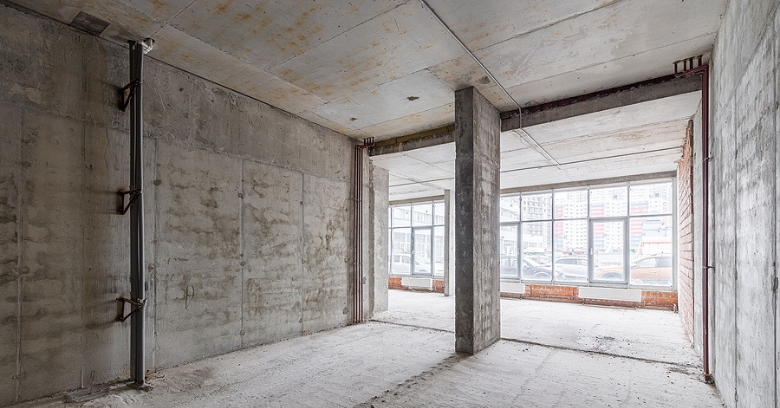
Need Commercial Building Renovations in Brenham Texas?
Good Company Construction reworks existing commercial buildings with the schedule, the access, and the code questions in mind for Brenham Texas organizations.
Reach out at 979-401-2527 to talk through what the building has to keep doing during the work.
Design Follows Function in a Working Building
A manager or board member researching Commercial Building Renovations in Brenham Texas come to see that the work has to fit the way people use the space. Retail wants foot traffic, an office wants quiet, and a place of worship wants a sanctuary ready every weekend, and the construction plan has to start from those limits.
On Commercial Building Renovations, Good Company Construction asks what has to stay open, what can close, and how much time is available, because the answers decide the sequence of the whole job.
Staying Open Through a Renovation
For projects in occupied spaces, construction is organized area by area. Temporary walls, dust barriers, and protected walkways keep the public away from the work, and worker access stays out of the public eye.
Work that affects power, water, or access is often scheduled for off hours. Shutting down power to a panel, cutting into a slab, or refinishing a floor are the kind of tasks planned for hours when the space is quiet.
Why Commercial Remodels Raise More Rules Than Homes Do
Spaces where customers, clients, or members come and go answer to codes that cover ramps, restrooms, door widths, alarms, and exit paths. Altering a floor plan can bring the building under closer scrutiny, so those questions belong in the first meeting and not the last.
What the building is used for sets the baseline. An assembly space, a business office, a food service area, and a sales floor are treated differently by the codes that govern them. Each jurisdiction sets its own process for plan checks and inspection, which is another reason to talk to the local office early.
Electrical, Cooling, and Data Capacity in an Older Building
When the floor plan changes, the loads on the systems change with it. More people in a space means more heat, more power, and more demand on ventilation, so the remodel plan should confirm what the systems can carry before the new layout is final. Data cabling, security, and audio-visual needs deserve a place in the plan as well.
Opening the Walls: Surprises and How They Are Handled
A commercial property with a long history often holds conditions nobody drew on a plan. Ceiling spaces crowded with old ductwork, wiring from past tenants, and pipes that run in unexpected directions are far easier to handle when they were mentioned at the start.
With buildings from certain eras, the work should pause until the question is answered. Rules for handling and disposal come from state and federal authorities, and it is better to know early than to be surprised.
Layout, Acoustics, and Finishes in a Working Interior
High-traffic buildings put real demands on every finish. Surfaces that handle foot traffic, carts, chairs, and cleaning are worth more attention than they get in a quick plan.
Acoustics and lighting do a lot of the work in a finished space. Where a space needs quiet, walls and ceilings are built to keep sound in its place, and layered lighting makes a space more comfortable to work or gather in.
Sanctuaries and Assembly Spaces Have Their Own Needs
A hall used for worship, for events, or for the community has to do several things at once. Aisles, exits, platforms, and the way people enter and leave the room have to be considered together when the room is changed. High ceilings make lighting, sound treatment, and maintenance more involved, so schedules for these rooms need extra planning.
Storefronts, Entrances, and the Face of the Building
For congregations and organizations that welcome visitors, the exterior is as important as the interior. Doors, windows, canopies, and exterior finishes work together as a single design. Finishes exposed to strong UV and heavy rain calls for materials chosen to hold up to sun and moisture.
Water Management on a Commercial Property
Most commercial roofs are designed very differently from a house roof, so ponding water and failed seams are the usual causes of trouble. Storms in the state can deliver a large amount of rain in a short time, and drains have to keep up, and work that adds equipment on the roof should be coordinated with whoever maintains it.
Parking lots and entrances take a beating and affect how the building works. Entrances that collect water and surfaces that have shifted with the soil belong on the list of things to look at when the building gets an update.
Communication During a Project in a Working Building
Most complaints during a project come from people who were not told. A brief weekly summary shared with staff, tenants, or the congregation helps everyone plan around the work. A short chain of communication between the decision maker and the project lead can make it easy to resolve problems the day they appear.
When to Schedule Construction in a Working Building
Businesses and congregations run on calendars that the construction schedule has to respect. Seasonal businesses plan the work for their off season, and year-round businesses plan it in phases, and the owner should say early which dates matter most. In much of the state, hot afternoons and storm seasons limit what can be done outside, so a little extra time is built in for the days that cannot be worked.
Owners, Tenants, and Approvals
Churches and organizations usually answer to a board or committee. A tenant may need the landlord's approval for changes to walls, systems, or the exterior, and a committee often has to sign off on design decisions. Agreeing on the approval path before work begins spares the project from late surprises.
Commercial punch lists are longer than residential ones. Emergency lighting, exit signs, door hardware, alarms, and accessible features are tested, and that final stage is where a well-run project shows its quality.
The Last Steps Before the Doors Reopen
As the last of the work finishes and the trades begin to clear out, the final inspection from the local authority confirms the work meets code. The contractor and the owner walk each area, and a punch list is cleared before the job is considered done.
For Commercial Building Renovations in Brenham Texas, Good Company Construction is a sensible place to start a conversation about the project. Call 979-401-2527 to describe your building and your plans.
Verified

Verified
Verified
Verified