
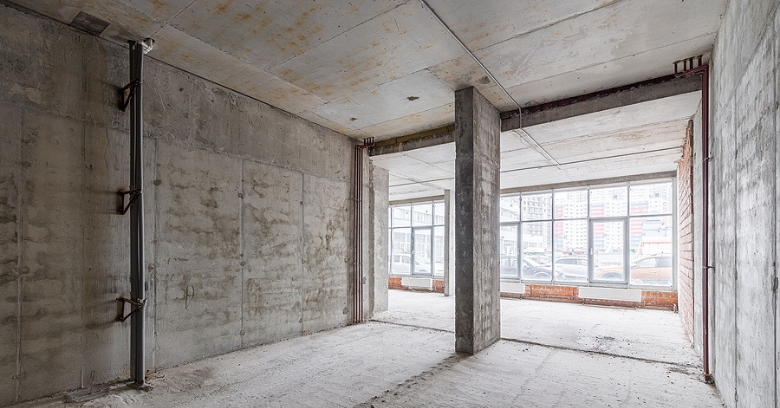
Weighing Commercial Building Remodeling in Caldwell Texas?
Good Company Construction plans commercial renovations around the way the business or congregation actually operates throughout Caldwell Texas congregations.
Dial 979-401-2527 to ask how a commercial project like yours would be phased.
A Commercial Remodel Starts With How the Space Is Used
Tenants and landlords comparing Commercial Building Remodeling in Caldwell Texas find that the hardest part is keeping the place working while it changes. A business loses momentum when its space is out of service, and a congregation loses its rhythm without its building, and a good remodel plan is written around those facts.
On Commercial Building Remodeling, Good Company Construction asks what has to stay open, what can close, and how much time is available, because the construction sequence follows from them.
How Phasing Protects a Business During the Work
When customers, staff, or worshippers keep coming in, the work moves through the building in stages. Temporary walls, dust barriers, and protected walkways keep the public away from the work, and the loading route is planned so it does not cross the main entrance.
Certain tasks are ideally done after closing. Shutting down power to a panel, cutting into a slab, or refinishing a floor belong to the part of the schedule that has the fewest people around.
What Changes in the Rules When a Building Serves the Public
Offices, shops, and gathering spaces answer to codes that cover ramps, restrooms, door widths, alarms, and exit paths. Changing a space may mean bringing related features up to current standards, so those questions belong in the first meeting and not the last.
What the building is used for sets the baseline. An assembly space, a business office, a food service area, and a sales floor do not all carry the same requirements. What one town asks for may differ from the next town over, which is why the plan should be checked against local requirements.
Electrical, Cooling, and Data Capacity in an Older Building
A commercial update often asks more from the systems than the original design did. Modern equipment and a fuller floor can strain a panel that was installed long ago, so an electrician and a mechanical contractor weigh in during design. Cabling for networks and audio systems is far easier to install during construction than after.
Hidden Conditions in Aging Commercial Space
A building that has served several tenants or decades of use usually has a few secrets above the ceiling and inside the walls. Ceiling spaces crowded with old ductwork, wiring from past tenants, and pipes that run in unexpected directions are found often enough that the plan should allow time for them.
When the age of a building raises questions about its materials, testing comes first and demolition second. The proper process is set by regulation, not by the contractor's preference, and a good builder is clear with the owner about how that part of the job works.
Making Interior Space Fit the People Who Use It
A space used by many people every day needs tougher surfaces. Surfaces that handle foot traffic, carts, chairs, and cleaning make a bigger difference to a commercial space than most owners expect.
Two things people notice right away are the sound of a room and the quality of its light. Hard surfaces make a room echo, while ceilings, wall panels, and soft finishes absorb sound, and the lighting layout is easiest to settle before the ceiling is closed.
Planning for Seating, Sound, and Sightlines
A sanctuary, fellowship hall, or large meeting room has to do several things at once. Seating arrangements, aisle widths, and the paths to the exits have to be considered together when the room is changed. Work at height needs planning, equipment, and time, so it helps to choose a builder who has handled large rooms before.
The Public Side of a Commercial Remodel
For many commercial owners and for most organizations that welcome the public, how the front of the building looks is part of how the organization is judged. Entry doors, glass, awnings, lighting, and signs work together as a single design. Anything outdoors in a climate with strong sun and sudden storms rewards careful detailing at every joint.
Why the Exterior Shell Belongs in the Remodel Conversation
Commercial roofs are usually flat or low-slope, so the roof needs to be checked whenever the interior below is being changed. Hail, wind, and sun all take their turn on exposed roofing, and work that adds equipment on the roof should be coordinated with whoever maintains it.
Site surfaces and grading often get overlooked. Water that stands after a rain and ground that has moved with the clay are common on older commercial sites and are easiest to deal with while contractors are already mobilized.
Telling Staff, Customers, and Members What to Expect
People handle disruption well when they know when, where, and how long. A brief weekly summary shared with staff, tenants, or the congregation keeps the project from feeling like something that is happening to people. One person who answers questions for the building and one who answers for the work can keep small issues from becoming big ones.
Seasons, Events, and Busy Periods Shape the Schedule
Every kind of building has a busy season and a quiet one. Seasonal businesses plan the work for their off season, and year-round businesses plan it in phases, and the work is organized so the important dates are protected. Sudden storms, strong wind, and extreme summer heat can interrupt outdoor work for days at a time, so indoor tasks are held in reserve for bad-weather days.
Landlords, Boards, and Committees: Getting Sign-Off
Several parties may need to approve a remodel before it starts. Lease terms can limit the work or require specific approvals, and an organization may need several meetings before a plan is settled. Making a list of every required sign-off keeps the schedule realistic.
A last round of checks matters more when the public will walk through the door. Operating manuals, keys, and records are handed to the owner as the work is completed, and the owner should expect a walk-through of every area, not just the finished showpiece rooms.
The Last Steps Before the Doors Reopen
When construction wraps up, the city or county signs off on the completed work. A last look at every room happens before the handover, and any remaining items go on a short list to be completed before the project is closed.
For owners and managers in Caldwell Texas planning Commercial Building Remodeling, Good Company Construction is ready to discuss how the work could be phased around daily use. Get in touch at 979-401-2527 to begin sorting out the phases.
Verified

Verified
Verified
Verified