
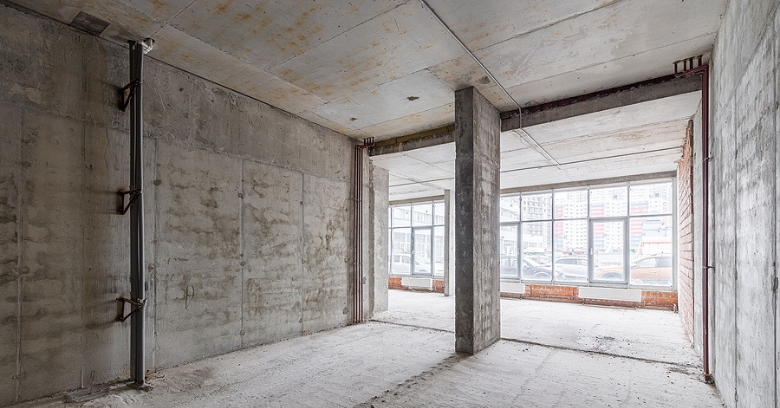
Planning Office Space Renovation Contractors in Brenham Texas?
Good Company Construction renovates offices, shops, and gathering spaces while the people who use them keep working across Brenham Texas businesses.
Call 979-401-2527 to explain the timeline you are working against.
Design Follows Function in a Working Building
Decision makers who begin with Office Space Renovation Contractors in Brenham Texas come to see that the work has to fit the way people use the space. A business loses momentum when its space is out of service, and a congregation loses its rhythm without its building, and each of them changes how the work is staged.
On Office Space Renovation Contractors, Good Company Construction asks what has to stay open, what can close, and how much time is available, because the plan has to protect the people who use the building.
Keeping the Doors Open While Construction Goes On
If the doors have to stay open during the work, the project is broken into sections that can be sealed off. Barriers, floor protection, and clearly marked paths separate visitors from the work zone, and worker access stays out of the public eye.
Certain tasks are ideally done after closing. Shutting down power to a panel, cutting into a slab, or refinishing a floor are put on the calendar well ahead so the owner can plan around them.
What Changes in the Rules When a Building Serves the Public
Any building open to visitors come with requirements that cover accessible routes, fire separation, and the number and width of exits. The scope of the work often decides how much of the building has to be looked at again, so a careful builder checks with the local authority early.
A change in use is its own question. An assembly space, a business office, a food service area, and a sales floor have different rules for occupancy and egress. Rules differ from city to city and county to county across the state, and why assumptions based on another town can be wrong.
Planning Utilities Before Drawing the New Layout
Rearranging a space rearranges its utility needs. Modern equipment and a fuller floor can strain a panel that was installed long ago, so capacity is checked early rather than discovered halfway through. Cabling for networks and audio systems is far easier to install during construction than after.
Opening the Walls: Surprises and How They Are Handled
A building that has served several tenants or decades of use usually has a few secrets above the ceiling and inside the walls. Older finishes and materials from another era, which may need testing before they are disturbed are all things a careful contractor expects and plans a little room for.
With buildings from certain eras, testing comes first and demolition second. Specialists handle these items under formal rules, and an honest conversation at the start avoids confusion later.
Interior Build-Out: Walls, Ceilings, Floors, and Light
High-traffic buildings put real demands on every finish. Surfaces that handle foot traffic, carts, chairs, and cleaning are often the difference between a space that ages well and one that looks tired quickly.
Acoustics and lighting do a lot of the work in a finished space. Careful choices about ceiling height, materials, and partitions control how voices carry, and layered lighting makes a space more comfortable to work or gather in.
Planning for Seating, Sound, and Sightlines
Every kind of assembly space has to work for both large and small crowds. Aisles, exits, platforms, and the way people enter and leave the room have to be considered together when the room is changed. Work at height needs planning, equipment, and time, so schedules for these rooms need extra planning.
Storefronts, Entrances, and the Face of the Building
When the building is part of the brand, the exterior is as important as the interior. The entrance, the lighting at night, the signage, and the surrounding walkways are easier to handle when considered together. Anything outdoors in a climate with strong sun and sudden storms rewards careful detailing at every joint.
Roofs, Drainage, and Parking: The Parts Nobody Sees Until They Fail
Most commercial roofs are designed very differently from a house roof, so drains, flashing, and rooftop equipment curbs matter a great deal. Intense heat expands and contracts the roof surface every day, and the seams take the strain, and a quick check of the roof before the interior is finished can prevent damage to new finishes.
Parking areas and walkways are part of the same picture. Cracked pavement, low spots, and drains that no longer carry water away belong on the list of things to look at when the building gets an update.
How to Keep Everyone Informed While Construction Is Under Way
A remodel is much easier on everyone when people know what is coming. A brief weekly summary shared with staff, tenants, or the congregation goes a long way toward keeping goodwill intact. A single point of contact on each side can keep small issues from becoming big ones.
Timing a Commercial Project Around the Calendar
Commercial buildings do not all slow down at the same time of year. Classrooms and meeting rooms are easiest to work on when they are empty, such as during breaks and summer, and the work is organized so the important dates are protected. Roofing, paving, painting, and other outdoor tasks cannot proceed in a heavy storm, so the plan remains realistic when the forecast changes.
Who Has to Say Yes on a Leased or Shared Property
Commercial projects often involve more than one decision maker, and the approvals do not always arrive in the order the schedule needs. A tenant may need the landlord's approval for changes to walls, systems, or the exterior, and an organization may need several meetings before a plan is settled. Identifying the decision makers before the drawings are final keeps a commercial project from stalling at the last minute.
Closing out a commercial job involves more than a final sweep. Signs, lighting, door closers, restroom fixtures, and safety devices are confirmed to be working, and that final stage is where a well-run project shows its quality.
Closing Out a Commercial Project
At the end of the project, the final inspection from the local authority confirms the work meets code. Everyone responsible for the space goes over the finished work together, and a punch list is cleared before the job is considered done.
For Office Space Renovation Contractors in Brenham Texas, Good Company Construction can explain how a project like yours would be staged and scheduled. Dial 979-401-2527 to share what the space needs to do.
Verified

Verified
Verified
Verified