
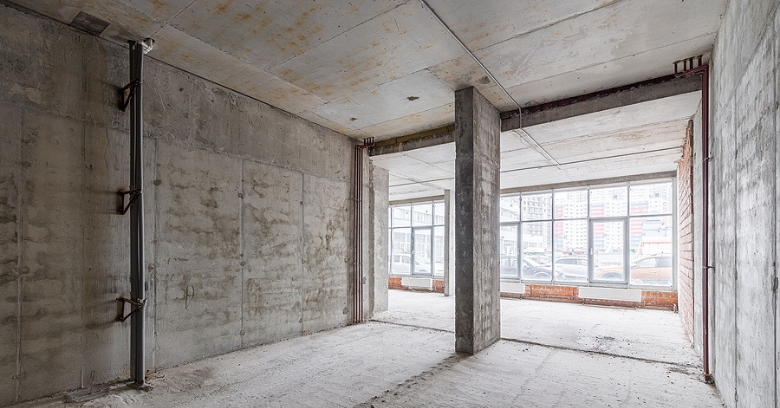
Need Commercial Building Renovation Contractors in Caldwell Texas?
Good Company Construction renovates offices, shops, and gathering spaces while the people who use them keep working across Caldwell Texas organizations.
Call 979-401-2527 to ask how a commercial project like yours would be phased.
Before Anything Is Torn Out, Understand the Operation
Tenants and landlords comparing Commercial Building Renovation Contractors in Caldwell Texas find that the hardest part is keeping the place working while it changes. A clinic cannot lose its waiting room for a month, a showroom cannot hide its displays, and a school wing cannot lose its classrooms mid-term, and the construction plan has to start from those limits.
Good Company Construction begins Commercial Building Renovation Contractors with questions about the operation, because the plan has to protect the people who use the building.
Work Zones, Barriers, and Detours in a Live Building
For projects in occupied spaces, the work is divided into phases that isolate one area at a time. Signs, detours, and protected routes help people reach what they came for, and deliveries and tradespeople use a path that avoids customers.
A few steps cannot be done around people. Tasks with dust, fumes, or utility shutoffs are put on the calendar well ahead so the owner can plan around them.
Accessibility, Fire Safety, and Egress Come With the Territory
Offices, shops, and gathering spaces come with requirements that cover accessible routes, fire separation, and the number and width of exits. Changing a space may mean bringing related features up to current standards, so the plan has to account for the rules from the beginning.
The way a building is classified also shapes the rules. An assembly space, a business office, a food service area, and a sales floor do not all carry the same requirements. Each jurisdiction sets its own process for plan checks and inspection, so the safe approach is to ask rather than assume.
Mechanical and Electrical Needs Change With the Floor Plan
A commercial update often asks more from the systems than the original design did. Extra computers, kitchen equipment, lighting, and cooling load can outgrow an old electrical panel, so capacity is checked early rather than discovered halfway through. Data cabling, security, and audio-visual needs deserve a place in the plan as well.
Existing Conditions Shape the Scope More Than the Drawings Do
Interiors that have been remodeled more than once before often holds conditions nobody drew on a plan. Plumbing that no longer serves anything, wiring that nobody can trace, and framing changed for an earlier layout should be anticipated in the schedule and discussed with the owner in advance.
When the age of a building raises questions about its materials, the work should pause until the question is answered. Rules for handling and disposal come from state and federal authorities, and a good builder is clear with the owner about how that part of the job works.
Making Interior Space Fit the People Who Use It
Floors, walls, and doors in a public space see steady traffic. Materials chosen for how they age under daily use are worth more attention than they get in a quick plan.
Two things people notice right away are the sound of a room and the quality of its light. A ceiling treatment or a change in wall material can calm a noisy room, and layered lighting makes a space more comfortable to work or gather in.
Planning for Seating, Sound, and Sightlines
Any space designed to hold a gathering needs to seat many people comfortably. The sound system, the lighting, and the layout of seating and aisles cannot be treated as separate decisions. Tall rooms bring structural, mechanical, and access questions, so the schedule has to include those added steps.
Exterior Updates That Change How a Building Is Seen
On properties that serve the public, how the front of the building looks is part of how the organization is judged. The entrance, the lighting at night, the signage, and the surrounding walkways work together as a single design. Surfaces facing summer heat and wind-driven rain depends on careful flashing, sealants, and coatings.
Roofs, Drainage, and Parking: The Parts Nobody Sees Until They Fail
Many commercial buildings have roofs that barely slope, so ponding water and failed seams are the usual causes of trouble. Storms in the state can deliver a large amount of rain in a short time, and drains have to keep up, and a remodel is a sensible time to look at the roof and drainage while the building is already open.
The ground around the building matters for water management. Ponding at the entrance, settling near the building, and slopes that send water toward the doors can create safety and access problems that a remodel is a good chance to correct.
Communication During a Project in a Working Building
Surprises are the hardest part of living through construction. An update on what is closed this week, what opens next, and what to expect after hours helps everyone plan around the work. A named contact for the owner and a named contact for the builder can keep small issues from becoming big ones.
Timing a Commercial Project Around the Calendar
Businesses and congregations run on calendars that the construction schedule has to respect. Seasonal businesses plan the work for their off season, and year-round businesses plan it in phases, and the plan should start from the dates the owner cannot change. Exterior work depends on the weather as well, so a little extra time is built in for the days that cannot be worked.
Decision Makers Who Shape a Commercial Project
Churches and organizations usually answer to a board or committee. Property managers may have standards for contractors and materials, and a board has to agree on scope and schedule. Sorting out who approves what at the start spares the project from late surprises.
A last round of checks matters more when the public will walk through the door. Mechanical, electrical, and life-safety equipment are tested together with the finished spaces, and the people who will use the space deserve to know how it works.
Closing Out a Commercial Project
When construction wraps up, an inspector checks the finished building. The owner or committee goes through the space with the contractor, and touch-ups are written down and completed.
If your organization in Caldwell Texas is ready to talk about Commercial Building Renovation Contractors, Good Company Construction can begin with a conversation about the operation, the building, and the timeline. Call 979-401-2527 to share what the space needs to do.
Verified

Verified
Verified
Verified