
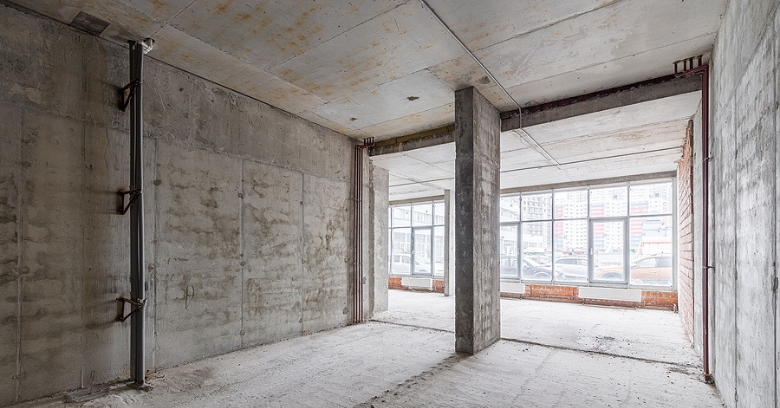
Comparing options for Commercial Building Renovation Companies in Caldwell Texas?
Good Company Construction takes on interior and exterior updates for buildings that serve the public in Caldwell Texas building owners.
Reach out at 979-401-2527 to ask how a commercial project like yours would be phased.
Design Follows Function in a Working Building
Tenants and landlords comparing Commercial Building Renovation Companies in Caldwell Texas come to see that the work has to fit the way people use the space. Retail wants foot traffic, an office wants quiet, and a place of worship wants a sanctuary ready every weekend, and the schedule is only realistic if it respects them.
With Commercial Building Renovation Companies, Good Company Construction starts by learning the daily and weekly rhythm of the building, because they decide whether work happens by day, at night, or in short phases.
Staying Open Through a Renovation
When a building has to stay in use, construction is organized area by area. Containment and clear wayfinding keep the building usable, and worker access stays out of the public eye.
Work that affects power, water, or access is often scheduled for off hours. Tying into plumbing, switching over electrical service, or applying coatings that smell and need to cure are the kind of tasks planned for hours when the space is quiet.
The Code Questions That Apply to Public Buildings
Commercial buildings that serve the public have to work for every visitor and be safe in an emergency. Altering a floor plan can bring the building under closer scrutiny, so it pays to learn the local requirements before the drawings are final.
A change in use is its own question. Places of worship, offices, dining rooms, and stores sit in different categories for fire and safety planning. Rules differ from city to city and county to county across the state, which makes it wise to confirm the local process before design is finished.
Mechanical and Electrical Needs Change With the Floor Plan
A new layout changes where heat, power, and data are needed. Modern equipment and a fuller floor can strain a panel that was installed long ago, so an electrician and a mechanical contractor weigh in during design. Low-voltage systems should be laid out at the same time as the walls.
Opening the Walls: Surprises and How They Are Handled
A building that has served several tenants or decades of use often holds conditions nobody drew on a plan. Older finishes and materials from another era, which may need testing before they are disturbed are found often enough that the plan should allow time for them.
When the age of a building raises questions about its materials, the work should pause until the question is answered. There are formal procedures for anything that needs special treatment, and it is better to know early than to be surprised.
Choosing Finishes for a Space That Gets Heavy Use
High-traffic buildings put real demands on every finish. Durable floor coverings, washable paints, and hardware that holds up make a bigger difference to a commercial space than most owners expect.
How a space sounds and how it is lit matter as much as how it looks. Open offices, dining rooms, and sanctuaries all have their own sound problems, and each has its own fixes, and the lighting layout is easiest to settle before the ceiling is closed.
Planning for Seating, Sound, and Sightlines
A sanctuary, fellowship hall, or large meeting room is built around sightlines, sound, and safe movement. Seating arrangements, aisle widths, and the paths to the exits all depend on one another. High ceilings make lighting, sound treatment, and maintenance more involved, so the schedule has to include those added steps.
First Impressions Are Part of the Project
For many commercial owners and for most organizations that welcome the public, the street-facing side carries a lot of weight. Doors, windows, canopies, and exterior finishes should be planned as a unit. Anything outdoors in a climate with strong sun and sudden storms rewards careful detailing at every joint.
Water Management on a Commercial Property
A typical commercial roof is built to hold water back and then shed it slowly, so drains, flashing, and rooftop equipment curbs matter a great deal. Intense heat expands and contracts the roof surface every day, and the seams take the strain, and a remodel is a sensible time to look at the roof and drainage while the building is already open.
Parking lots and entrances take a beating and affect how the building works. Entrances that collect water and surfaces that have shifted with the soil are common on older commercial sites and are easiest to deal with while contractors are already mobilized.
Communication During a Project in a Working Building
Good communication is half of getting through an occupied remodel. Clear information about parking, entrances, and restroom access lets people adapt before they are inconvenienced. One person on the owner side and one on the contractor side can keep small issues from becoming big ones.
Choosing the Right Weeks for the Work
The ideal window for construction is rarely the one that is convenient for the builder. Stores want to be finished before the holiday rush, congregations before the major services of the year, and offices before a lease or a move, and the plan should start from the dates the owner cannot change. In much of the state, hot afternoons and storm seasons limit what can be done outside, so a little extra time is built in for the days that cannot be worked.
Decision Makers Who Shape a Commercial Project
Commercial projects often involve more than one decision maker, and the approvals do not always arrive in the order the schedule needs. A tenant may need the landlord's approval for changes to walls, systems, or the exterior, and an organization may need several meetings before a plan is settled. Agreeing on the approval path before work begins saves a good deal of time later.
The final stage of a commercial project has its own checklist. Operating manuals, keys, and records are handed to the owner as the work is completed, and any open items are listed with dates for completion.
Closing Out a Commercial Project
Once the new space is ready, the local building office performs its final inspection. The owner or committee goes through the space with the contractor, and any remaining items go on a short list to be completed before the project is closed.
When Commercial Building Renovation Companies is on the calendar in Caldwell Texas, Good Company Construction can begin with a conversation about the operation, the building, and the timeline. Phone 979-401-2527 to talk through the details.
Verified

Verified
Verified
Verified