
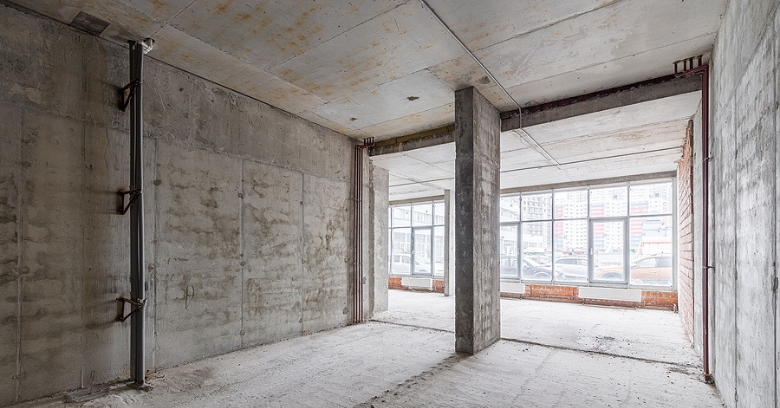
Comparing options for Commercial Reno Contractors in Caldwell Texas?
Good Company Construction renovates offices, shops, and gathering spaces while the people who use them keep working for Caldwell Texas organizations.
Reach out at 979-401-2527 to explain the timeline you are working against.
The Business Comes First, Then the Building
Anyone weighing Commercial Reno Contractors in Caldwell Texas for a business or a congregation tend to discover that the building is only half the question. Shops need to stay open, offices need to keep their people productive, and meeting halls need to host their events, and the contractor should ask about them before drawing a line.
Good Company Construction begins Commercial Reno Contractors with questions about the operation, because the construction sequence follows from them.
Staying Open Through a Renovation
For projects in occupied spaces, the work is divided into phases that isolate one area at a time. Sealed partitions and covered floors keep dust and debris where they belong, and the loading route is planned so it does not cross the main entrance.
Some of the work simply has to be done when the building is empty. The loudest, dustiest, or most intrusive steps are the kind of tasks planned for hours when the space is quiet.
The Code Questions That Apply to Public Buildings
Offices, shops, and gathering spaces are held to rules on accessibility, fire protection, and safe exits that a house does not face. Once the layout changes, the local office may want to see how the new plan handles access and exits, so the early planning should ask what the local office will expect.
A change in use is its own question. An assembly space, a business office, a food service area, and a sales floor have different rules for occupancy and egress. What one town asks for may differ from the next town over, which is another reason to talk to the local office early.
Electrical, Cooling, and Data Capacity in an Older Building
When the floor plan changes, the loads on the systems change with it. Added equipment, new lighting, and denser seating all push on capacity, so an electrician and a mechanical contractor weigh in during design. Data cabling, security, and audio-visual needs deserve a place in the plan as well.
Opening the Walls: Surprises and How They Are Handled
A structure whose records are incomplete usually has a few secrets above the ceiling and inside the walls. Plumbing that no longer serves anything, wiring that nobody can trace, and framing changed for an earlier layout belong on the list of reasonable possibilities before the first wall comes down.
Where older materials are involved, the work should pause until the question is answered. The proper process is set by regulation, not by the contractor's preference, and the owner should hear about it before the work, not during it.
How the Inside of a Commercial Space Comes Together
Commercial interiors take more wear than most homes do. Flooring that resists scuffs, wall surfaces that clean easily, and doors and hardware built for heavy use deserve a close look before anything is ordered.
Noise and lighting levels affect comfort more than most people realize. Open offices, dining rooms, and sanctuaries all have their own sound problems, and each has its own fixes, and layered lighting makes a space more comfortable to work or gather in.
Remodeling a Place of Worship or Meeting Hall
A room that hosts large groups needs to seat many people comfortably. Seating arrangements, aisle widths, and the paths to the exits are part of a single plan. Wide spans and high walls change how the work is staged, so schedules for these rooms need extra planning.
The Public Side of a Commercial Remodel
When the building is part of the brand, the storefront or entrance sets the tone before anyone steps inside. Parking surfaces, walkways, landscaping edges, and the entrance doors work together as a single design. Exterior work in the weather of the region needs details that shed water and resist fading.
Water Management on a Commercial Property
Many commercial buildings have roofs that barely slope, so the roof needs to be checked whenever the interior below is being changed. Storms in the state can deliver a large amount of rain in a short time, and drains have to keep up, and work that adds equipment on the roof should be coordinated with whoever maintains it.
Site surfaces and grading often get overlooked. Cracked pavement, low spots, and drains that no longer carry water away belong on the list of things to look at when the building gets an update.
Notices, Schedules, and a Single Point of Contact
People handle disruption well when they know when, where, and how long. Clear information about parking, entrances, and restroom access goes a long way toward keeping goodwill intact. One person who answers questions for the building and one who answers for the work can prevent mixed messages.
When to Schedule Construction in a Working Building
A retail space, a school wing, and a sanctuary all have different peak times. Stores want to be finished before the holiday rush, congregations before the major services of the year, and offices before a lease or a move, and the plan should start from the dates the owner cannot change. Sudden storms, strong wind, and extreme summer heat can interrupt outdoor work for days at a time, so a little extra time is built in for the days that cannot be worked.
Approvals Beyond the Building Office
Commercial projects often involve more than one decision maker, and the approvals do not always arrive in the order the schedule needs. Owners of leased buildings often have rules about what tenants can alter, and a committee often has to sign off on design decisions. Sorting out who approves what at the start helps everyone understand the timeline.
Before the doors reopen, a commercial space is checked from end to end. Mechanical, electrical, and life-safety equipment are tested together with the finished spaces, and any open items are listed with dates for completion.
The Last Steps Before the Doors Reopen
At the end of the project, the final inspection from the local authority confirms the work meets code. A final walk-through with the owner, the manager, or the building committee follows once the space has been cleaned, and a punch list is cleared before the job is considered done.
For owners and managers in Caldwell Texas planning Commercial Reno Contractors, Good Company Construction can explain how a project like yours would be staged and scheduled. Call 979-401-2527 to set up the first conversation.
Verified

Verified
Verified
Verified