
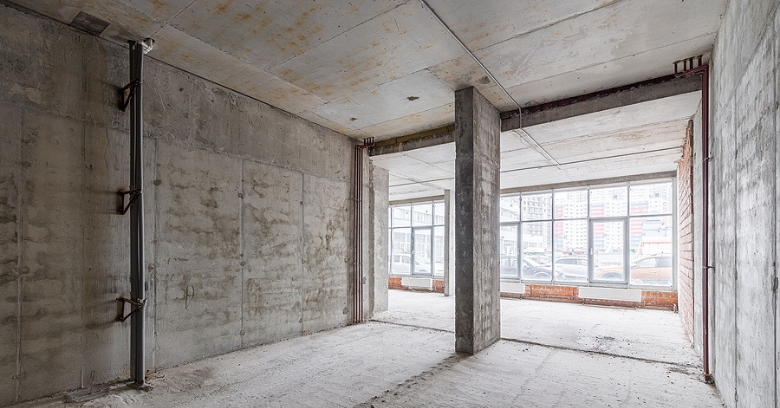
Planning Church Reno Services in Brenham Texas?
Good Company Construction handles the building side of a commercial update so the owner can stay focused on the business in Brenham Texas congregations.
Call 979-401-2527 to describe the space you want changed.
The Business Comes First, Then the Building
Anyone weighing Church Reno Services in Brenham Texas for a business or a congregation soon learn the project is shaped by what happens inside the walls every day. A restaurant has to serve customers, an office has to answer phones, and a church has to hold services, and a good remodel plan is written around those facts.
Good Company Construction begins Church Reno Services with questions about the operation, because they decide where the work zones go.
Work Zones, Barriers, and Detours in a Live Building
When a building has to stay in use, construction is organized area by area. Signs, detours, and protected routes help people reach what they came for, and worker access stays out of the public eye.
A few steps cannot be done around people. Tying into plumbing, switching over electrical service, or applying coatings that smell and need to cure are timed to cause the smallest interruption.
Why Commercial Remodels Raise More Rules Than Homes Do
Any building open to visitors come with requirements that cover accessible routes, fire separation, and the number and width of exits. Altering a floor plan can bring the building under closer scrutiny, so it pays to learn the local requirements before the drawings are final.
What the building is used for sets the baseline. Conference suites, church fellowship halls, salons, and storefronts are treated differently by the codes that govern them. Local authorities in the state interpret and apply these standards in their own way, which is why the plan should be checked against local requirements.
Systems Behind the Walls Set the Limits of a Remodel
When the floor plan changes, the loads on the systems change with it. Extra computers, kitchen equipment, lighting, and cooling load can outgrow an old electrical panel, so capacity is checked early rather than discovered halfway through. Pathways for low-voltage cabling belong in the drawings from the start.
Opening the Walls: Surprises and How They Are Handled
A structure whose records are incomplete usually has a few secrets above the ceiling and inside the walls. Plumbing that no longer serves anything, wiring that nobody can trace, and framing changed for an earlier layout are far easier to handle when they were mentioned at the start.
If testing suggests that something needs special handling, the sensible step is to find out before demolition starts. Rules for handling and disposal come from state and federal authorities, and a good builder is clear with the owner about how that part of the job works.
Interior Build-Out: Walls, Ceilings, Floors, and Light
Floors, walls, and doors in a public space see steady traffic. Durable floor coverings, washable paints, and hardware that holds up should be chosen with maintenance in mind.
How a space sounds and how it is lit matter as much as how it looks. Hard surfaces make a room echo, while ceilings, wall panels, and soft finishes absorb sound, and lighting plans balance daylight, general illumination, and focused task light.
Planning for Seating, Sound, and Sightlines
A sanctuary, fellowship hall, or large meeting room is built around sightlines, sound, and safe movement. Sight lines to the front, the sound system, and the lighting cannot be treated as separate decisions. Large-span ceilings and tall walls add their own construction questions, so schedules for these rooms need extra planning.
The Public Side of a Commercial Remodel
For many commercial owners and for most organizations that welcome the public, the exterior is as important as the interior. Entry doors, glass, awnings, lighting, and signs work together as a single design. Surfaces facing summer heat and wind-driven rain depends on careful flashing, sealants, and coatings.
Beyond the Interior: Roofs, Pavement, and Drainage
A typical commercial roof is built to hold water back and then shed it slowly, so proper drainage and sealed penetrations are the main defense against leaks. Sudden storms and long periods of strong sun age roofing materials faster than many owners expect, and work that adds equipment on the roof should be coordinated with whoever maintains it.
Parking areas and walkways are part of the same picture. Ponding at the entrance, settling near the building, and slopes that send water toward the doors are common on older commercial sites and are easiest to deal with while contractors are already mobilized.
Setting Expectations Before the Work Begins
Most complaints during a project come from people who were not told. An update on what is closed this week, what opens next, and what to expect after hours keeps the project from feeling like something that is happening to people. A named contact for the owner and a named contact for the builder can keep decisions moving.
When to Schedule Construction in a Working Building
A retail space, a school wing, and a sanctuary all have different peak times. Stores want to be finished before the holiday rush, congregations before the major services of the year, and offices before a lease or a move, and the work is organized so the important dates are protected. Roofing, paving, painting, and other outdoor tasks cannot proceed in a heavy storm, so outdoor phases are scheduled with some flexibility.
Approvals Beyond the Building Office
A leased space adds a landlord to the list of people who must agree. Lease terms can limit the work or require specific approvals, and a committee often has to sign off on design decisions. Agreeing on the approval path before work begins saves a good deal of time later.
Before the doors reopen, a commercial space is checked from end to end. Mechanical, electrical, and life-safety equipment are tested together with the finished spaces, and any open items are listed with dates for completion.
Finishing the Work and Handing the Space Back
As the last of the work finishes and the trades begin to clear out, the local office looks over the completed project. The owner or committee goes through the space with the contractor, and small corrections are listed and handled.
If your organization in Brenham Texas is ready to talk about Church Reno Services , Good Company Construction is a sensible place to start a conversation about the project. Dial 979-401-2527 to talk through the details.
Verified

Verified
Verified
Verified