
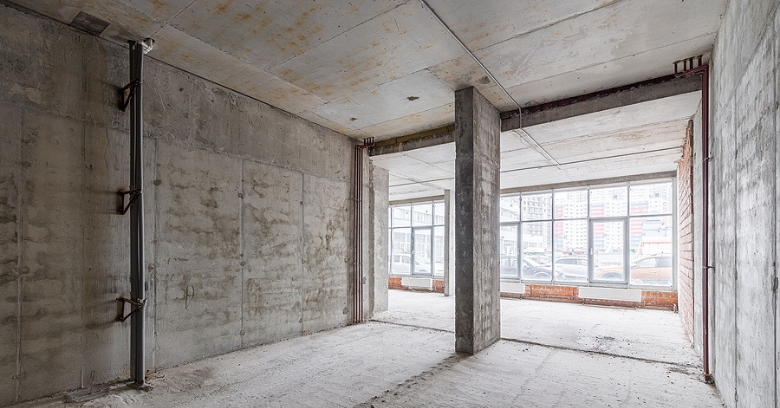
Comparing options for Commercial Building Remodels in Caldwell Texas?
Good Company Construction renovates offices, shops, and gathering spaces while the people who use them keep working around Caldwell Texas tenants.
Call 979-401-2527 to ask how a commercial project like yours would be phased.
A Commercial Remodel Starts With How the Space Is Used
A manager or board member researching Commercial Building Remodels in Caldwell Texas soon learn the project is shaped by what happens inside the walls every day. A clinic cannot lose its waiting room for a month, a showroom cannot hide its displays, and a school wing cannot lose its classrooms mid-term, and each of them changes how the work is staged.
With Commercial Building Remodels, Good Company Construction starts by learning the daily and weekly rhythm of the building, because the answers decide the sequence of the whole job.
Keeping the Doors Open While Construction Goes On
For projects in occupied spaces, the work is divided into phases that isolate one area at a time. Sealed partitions and covered floors keep dust and debris where they belong, and a separate entrance for workers and materials keeps the front door clear.
A few steps cannot be done around people. Cutting concrete, running a loud saw, or taking the water off for a connection are timed to cause the smallest interruption.
The Code Questions That Apply to Public Buildings
Commercial buildings that serve the public have to meet standards for access by people with disabilities, for fire safety, and for getting everyone out in an emergency. A remodel can trigger a closer look at those items, so it pays to learn the local requirements before the drawings are final.
How a space is used decides which requirements apply. Meeting halls, clinics, classroom wings, and warehouse showrooms sit in different categories for fire and safety planning. Rules differ from city to city and county to county across the state, so the safe approach is to ask rather than assume.
Planning Utilities Before Drawing the New Layout
When the floor plan changes, the loads on the systems change with it. Added equipment, new lighting, and denser seating all push on capacity, so upgrades can be planned instead of improvised. Phone, network, and security wiring are easiest to run while walls are open.
What Demolition Turns Up in an Existing Building
A building that has served several tenants or decades of use often holds conditions nobody drew on a plan. Older finishes and materials from another era, which may need testing before they are disturbed are found often enough that the plan should allow time for them.
When the age of a building raises questions about its materials, the sensible step is to find out before demolition starts. There are formal procedures for anything that needs special treatment, and the schedule is adjusted when it applies.
Making Interior Space Fit the People Who Use It
A business interior is expected to look good under constant use. Flooring that resists scuffs, wall surfaces that clean easily, and doors and hardware built for heavy use should be chosen with maintenance in mind.
Two things people notice right away are the sound of a room and the quality of its light. Where a space needs quiet, walls and ceilings are built to keep sound in its place, and lighting plans balance daylight, general illumination, and focused task light.
Remodeling a Place of Worship or Meeting Hall
Every kind of assembly space is built around sightlines, sound, and safe movement. Seating arrangements, aisle widths, and the paths to the exits cannot be treated as separate decisions. Large-span ceilings and tall walls add their own construction questions, so schedules for these rooms need extra planning.
The Public Side of a Commercial Remodel
For congregations and organizations that welcome visitors, the street-facing side carries a lot of weight. Parking surfaces, walkways, landscaping edges, and the entrance doors work together as a single design. Surfaces facing summer heat and wind-driven rain rewards careful detailing at every joint.
Roofs, Drainage, and Parking: The Parts Nobody Sees Until They Fail
Low-slope roofs and flat roofs are the norm on shops and offices, so the details around drains, edges, and equipment decide whether it stays dry. Heavy downpours, summer heat, and strong sun put the membrane and the seams under stress across the state, and a quick check of the roof before the interior is finished can prevent damage to new finishes.
Pavement and drainage on the property deserve a look as well. Cracked pavement, low spots, and drains that no longer carry water away are common on older commercial sites and are easiest to deal with while contractors are already mobilized.
Notices, Schedules, and a Single Point of Contact
A remodel is much easier on everyone when people know what is coming. Written notices, clear signs, and a calendar of upcoming phases lets people adapt before they are inconvenienced. A short chain of communication between the decision maker and the project lead can prevent mixed messages.
Choosing the Right Weeks for the Work
Businesses and congregations run on calendars that the construction schedule has to respect. Stores want to be finished before the holiday rush, congregations before the major services of the year, and offices before a lease or a move, and a good contractor builds the schedule backward from those dates. Roofing, paving, painting, and other outdoor tasks cannot proceed in a heavy storm, so the finish date is set with weather in mind.
Approvals Beyond the Building Office
Several parties may need to approve a remodel before it starts. The lease usually spells out which changes need approval and from whom, and a decision made by one person may not be final. Identifying the decision makers before the drawings are final spares the project from late surprises.
A last round of checks matters more when the public will walk through the door. Signs, lighting, door closers, restroom fixtures, and safety devices are confirmed to be working, and the owner should expect a walk-through of every area, not just the finished showpiece rooms.
Moving From Final Inspection to Reopening
As the last trade leaves, the city or county signs off on the completed work. The contractor and the owner walk each area, and a punch list is cleared before the job is considered done.
If your organization in Caldwell Texas is ready to talk about Commercial Building Remodels, Good Company Construction can begin with a conversation about the operation, the building, and the timeline. Dial 979-401-2527 to talk through the details.
Verified

Verified
Verified
Verified