
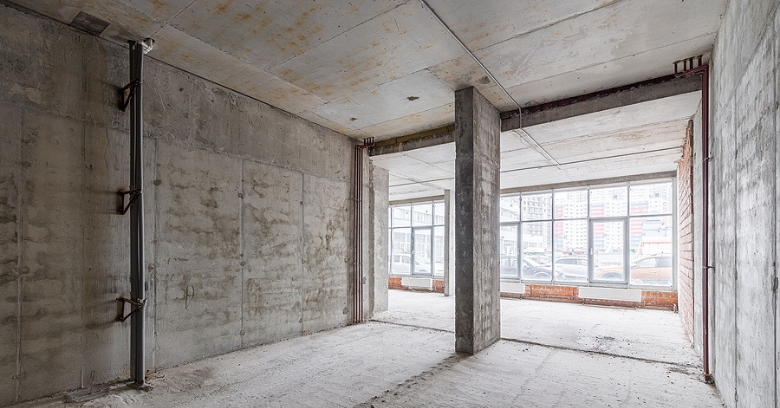
Planning Commercial Building Renovations in Caldwell Texas?
Good Company Construction renovates offices, shops, and gathering spaces while the people who use them keep working around Caldwell Texas tenants.
Ring 979-401-2527 to describe the space you want changed.
The Business Comes First, Then the Building
Decision makers who begin with Commercial Building Renovations in Caldwell Texas come to see that the work has to fit the way people use the space. Retail wants foot traffic, an office wants quiet, and a place of worship wants a sanctuary ready every weekend, and a good remodel plan is written around those facts.
On Commercial Building Renovations, Good Company Construction asks what has to stay open, what can close, and how much time is available, because they decide whether work happens by day, at night, or in short phases.
Staying Open Through a Renovation
In a building that cannot close, construction is organized area by area. Signs, detours, and protected routes help people reach what they came for, and deliveries and tradespeople use a path that avoids customers.
Some of the work simply has to be done when the building is empty. Shutting down power to a panel, cutting into a slab, or refinishing a floor are put on the calendar well ahead so the owner can plan around them.
The Code Questions That Apply to Public Buildings
Commercial buildings that serve the public answer to codes that cover ramps, restrooms, door widths, alarms, and exit paths. Once the layout changes, the local office may want to see how the new plan handles access and exits, so those questions belong in the first meeting and not the last.
A change in use is its own question. Conference suites, church fellowship halls, salons, and storefronts sit in different categories for fire and safety planning. Plan-check practices vary from one jurisdiction to another, which is why the plan should be checked against local requirements.
Planning Utilities Before Drawing the New Layout
A commercial update often asks more from the systems than the original design did. Modern equipment and a fuller floor can strain a panel that was installed long ago, so the remodel plan should confirm what the systems can carry before the new layout is final. Low-voltage systems should be laid out at the same time as the walls.
Opening the Walls: Surprises and How They Are Handled
A building that has changed hands and purposes over time tends to reveal its history when demolition starts. Structural members cut for earlier equipment, and slabs with sleeves nobody remembers are all things a careful contractor expects and plans a little room for.
If testing suggests that something needs special handling, the first priority is a proper assessment, not guesswork. There are formal procedures for anything that needs special treatment, and a good builder is clear with the owner about how that part of the job works.
Making Interior Space Fit the People Who Use It
A business interior is expected to look good under constant use. Flooring that resists scuffs, wall surfaces that clean easily, and doors and hardware built for heavy use are worth more attention than they get in a quick plan.
Noise and lighting levels affect comfort more than most people realize. A ceiling treatment or a change in wall material can calm a noisy room, and the placement of fixtures should follow how the room is used.
Updating a Room Built to Hold a Crowd
A hall used for worship, for events, or for the community has to work for both large and small crowds. Seating arrangements, aisle widths, and the paths to the exits have to be considered together when the room is changed. Wide spans and high walls change how the work is staged, so the schedule has to include those added steps.
Storefronts, Entrances, and the Face of the Building
For congregations and organizations that welcome visitors, the street-facing side carries a lot of weight. Entry doors, glass, awnings, lighting, and signs add up to the impression the building makes. Weather in the state is hard on exposed materials calls for materials chosen to hold up to sun and moisture.
Roofs, Drainage, and Parking: The Parts Nobody Sees Until They Fail
A typical commercial roof is built to hold water back and then shed it slowly, so ponding water and failed seams are the usual causes of trouble. Sudden storms and long periods of strong sun age roofing materials faster than many owners expect, and work that adds equipment on the roof should be coordinated with whoever maintains it.
Site surfaces and grading often get overlooked. Uneven walkways, worn striping, and drainage that has silted up can create safety and access problems that a remodel is a good chance to correct.
Telling Staff, Customers, and Members What to Expect
Most complaints during a project come from people who were not told. Clear information about parking, entrances, and restroom access cuts down on questions and complaints. A single point of contact on each side can make it easy to resolve problems the day they appear.
When to Schedule Construction in a Working Building
A retail space, a school wing, and a sanctuary all have different peak times. Restaurants often choose the slowest weeks, while offices may prefer weekends or evenings, and the work is organized so the important dates are protected. Roofing, paving, painting, and other outdoor tasks cannot proceed in a heavy storm, so outdoor phases are scheduled with some flexibility.
Owners, Tenants, and Approvals
Different people hold different pieces of the approval. Owners of leased buildings often have rules about what tenants can alter, and a decision made by one person may not be final. Identifying the decision makers before the drawings are final helps everyone understand the timeline.
Commercial punch lists are longer than residential ones. Mechanical, electrical, and life-safety equipment are tested together with the finished spaces, and any open items are listed with dates for completion.
Wrapping Up a Commercial Remodel
When construction wraps up, the city or county signs off on the completed work. Everyone responsible for the space goes over the finished work together, and open items are resolved before the space is turned back over.
If your organization in Caldwell Texas is ready to talk about Commercial Building Renovations, Good Company Construction is ready to discuss how the work could be phased around daily use. Phone 979-401-2527 to begin sorting out the phases.
Verified

Verified
Verified
Verified