
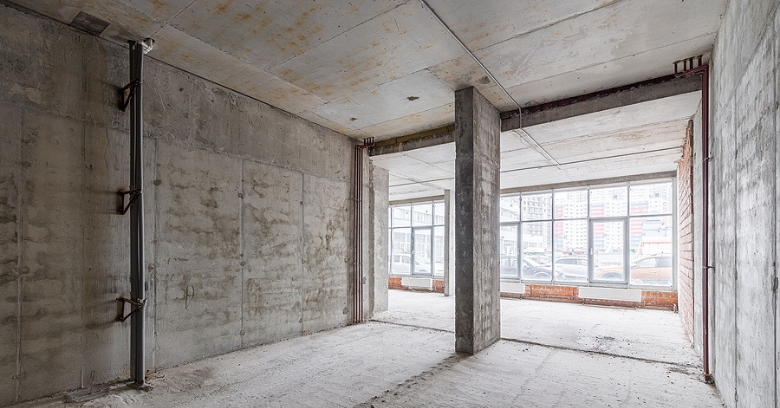
Weighing Commercial Renovations in Brenham Texas?
Good Company Construction renovates offices, shops, and gathering spaces while the people who use them keep working around Brenham Texas building owners.
Phone 979-401-2527 to talk through what the building has to keep doing during the work.
A Commercial Remodel Starts With How the Space Is Used
Owners who look into Commercial Renovations in Brenham Texas find that the hardest part is keeping the place working while it changes. A restaurant has to serve customers, an office has to answer phones, and a church has to hold services, and the contractor should ask about them before drawing a line.
With Commercial Renovations, Good Company Construction starts by learning the daily and weekly rhythm of the building, because the plan has to protect the people who use the building.
Staying Open Through a Renovation
When customers, staff, or worshippers keep coming in, the contractor splits the job into zones and finishes one before opening the next. Containment and clear wayfinding keep the building usable, and noisy tasks are scheduled away from quiet hours.
Noisy or disruptive steps are often pushed to evenings and weekends. Shutting down power to a panel, cutting into a slab, or refinishing a floor are put on the calendar well ahead so the owner can plan around them.
Accessibility, Fire Safety, and Egress Come With the Territory
Spaces where customers, clients, or members come and go have to work for every visitor and be safe in an emergency. Changing a space may mean bringing related features up to current standards, so those questions belong in the first meeting and not the last.
Occupancy type matters too. Sanctuaries, restaurant dining rooms, open offices, and retail floors do not all carry the same requirements. Rules differ from city to city and county to county across the state, which makes it wise to confirm the local process before design is finished.
Electrical, Cooling, and Data Capacity in an Older Building
Moving walls and equipment shifts the demands on the building systems. Heat from equipment and people through a long hot summer puts real stress on cooling, so an electrician and a mechanical contractor weigh in during design. Low-voltage systems should be laid out at the same time as the walls.
Existing Conditions Shape the Scope More Than the Drawings Do
Interiors that have been remodeled more than once before can hide old repairs, abandoned lines, and altered framing. Structural members cut for earlier equipment, and slabs with sleeves nobody remembers belong on the list of reasonable possibilities before the first wall comes down.
Where older materials are involved, the sensible step is to find out before demolition starts. There are formal procedures for anything that needs special treatment, and an honest conversation at the start avoids confusion later.
Making Interior Space Fit the People Who Use It
A space used by many people every day needs tougher surfaces. Durable floor coverings, washable paints, and hardware that holds up deserve a close look before anything is ordered.
Acoustics and lighting do a lot of the work in a finished space. A ceiling treatment or a change in wall material can calm a noisy room, and layered lighting makes a space more comfortable to work or gather in.
Sanctuaries and Assembly Spaces Have Their Own Needs
Every kind of assembly space serves a purpose that most other rooms do not. The sound system, the lighting, and the layout of seating and aisles all depend on one another. Work at height needs planning, equipment, and time, which is why a good plan for an assembly space is started well ahead of the work.
Exterior Updates That Change How a Building Is Seen
For many commercial owners and for most organizations that welcome the public, the street-facing side carries a lot of weight. Exterior paint, trim, glazing, and the entry doors add up to the impression the building makes. Surfaces facing summer heat and wind-driven rain depends on careful flashing, sealants, and coatings.
Roofs, Drainage, and Parking: The Parts Nobody Sees Until They Fail
A typical commercial roof is built to hold water back and then shed it slowly, so drains, flashing, and rooftop equipment curbs matter a great deal. Sudden storms and long periods of strong sun age roofing materials faster than many owners expect, and the interior plan should never ignore what is happening overhead.
The ground around the building matters for water management. Ponding at the entrance, settling near the building, and slopes that send water toward the doors affect how visitors reach the door and how water leaves the property.
Notices, Schedules, and a Single Point of Contact
Good communication is half of getting through an occupied remodel. A short schedule posted at the entrance, a note about which doors are in use, and a heads-up before noisy work goes a long way toward keeping goodwill intact. One person on the owner side and one on the contractor side can prevent mixed messages.
Seasons, Events, and Busy Periods Shape the Schedule
Commercial buildings do not all slow down at the same time of year. Classrooms and meeting rooms are easiest to work on when they are empty, such as during breaks and summer, and a realistic schedule includes room for weather and late deliveries. Sudden storms, strong wind, and extreme summer heat can interrupt outdoor work for days at a time, so the finish date is set with weather in mind.
Decision Makers Who Shape a Commercial Project
Several parties may need to approve a remodel before it starts. A tenant may need the landlord's approval for changes to walls, systems, or the exterior, and a decision made by one person may not be final. Agreeing on the approval path before work begins keeps a commercial project from stalling at the last minute.
The final stage of a commercial project has its own checklist. Emergency lighting, exit signs, door hardware, alarms, and accessible features are tested, and that final stage is where a well-run project shows its quality.
The Last Steps Before the Doors Reopen
When construction wraps up, the local building office performs its final inspection. The contractor and the owner walk each area, and any remaining items go on a short list to be completed before the project is closed.
If your organization in Brenham Texas is ready to talk about Commercial Renovations, Good Company Construction can explain how a project like yours would be staged and scheduled. Phone 979-401-2527 to describe your building and your plans.
Verified

Verified
Verified
Verified