
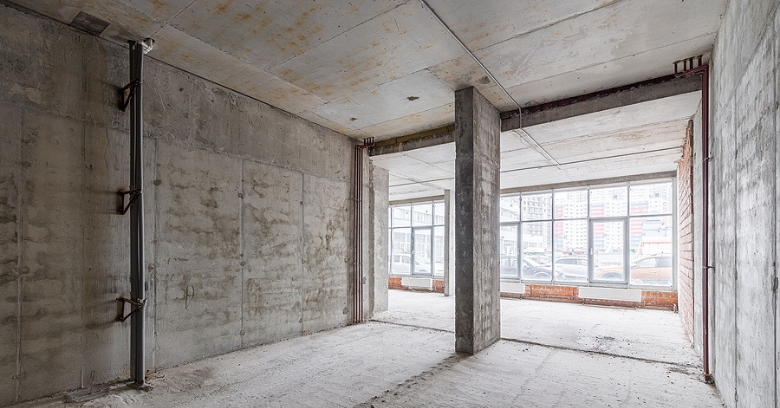
Getting ready to start Retail Building Remodeling in Brenham Texas?
Good Company Construction handles the building side of a commercial update so the owner can stay focused on the business across Brenham Texas tenants.
Reach out at 979-401-2527 to talk through what the building has to keep doing during the work.
A Commercial Remodel Starts With How the Space Is Used
A manager or board member researching Retail Building Remodeling in Brenham Texas tend to discover that the building is only half the question. A clinic cannot lose its waiting room for a month, a showroom cannot hide its displays, and a school wing cannot lose its classrooms mid-term, and the contractor should ask about them before drawing a line.
On Retail Building Remodeling, Good Company Construction asks what has to stay open, what can close, and how much time is available, because the answers decide the sequence of the whole job.
Staying Open Through a Renovation
When customers, staff, or worshippers keep coming in, the project is broken into sections that can be sealed off. Barriers, floor protection, and clearly marked paths separate visitors from the work zone, and noisy tasks are scheduled away from quiet hours.
Noisy or disruptive steps are often pushed to evenings and weekends. Tasks with dust, fumes, or utility shutoffs are put on the calendar well ahead so the owner can plan around them.
Why Commercial Remodels Raise More Rules Than Homes Do
Rooms used by large numbers of people have to work for every visitor and be safe in an emergency. Altering a floor plan can bring the building under closer scrutiny, so it pays to learn the local requirements before the drawings are final.
A change in use is its own question. Places of worship, offices, dining rooms, and stores have different rules for occupancy and egress. Each jurisdiction sets its own process for plan checks and inspection, which is why the plan should be checked against local requirements.
Mechanical and Electrical Needs Change With the Floor Plan
A commercial update often asks more from the systems than the original design did. Added equipment, new lighting, and denser seating all push on capacity, so the remodel plan should confirm what the systems can carry before the new layout is final. Low-voltage systems should be laid out at the same time as the walls.
Hidden Conditions in Aging Commercial Space
A building that has changed hands and purposes over time is rarely exactly what the old drawings show. Structural members cut for earlier equipment, and slabs with sleeves nobody remembers belong on the list of reasonable possibilities before the first wall comes down.
With buildings from certain eras, the right move is to have the material identified and handled properly before it is disturbed. The requirements are specific and are followed to the letter, and the owner should hear about it before the work, not during it.
Interior Build-Out: Walls, Ceilings, Floors, and Light
Commercial interiors take more wear than most homes do. Flooring that resists scuffs, wall surfaces that clean easily, and doors and hardware built for heavy use are often the difference between a space that ages well and one that looks tired quickly.
Noise and lighting levels affect comfort more than most people realize. Hard surfaces make a room echo, while ceilings, wall panels, and soft finishes absorb sound, and layered lighting makes a space more comfortable to work or gather in.
Updating a Room Built to Hold a Crowd
A sanctuary, fellowship hall, or large meeting room needs to seat many people comfortably. The number of people the room holds, how they move, and how quickly they can leave are tied to each other, so changing one affects the rest. Wide spans and high walls change how the work is staged, so the early conversation matters even more.
Exterior Updates That Change How a Building Is Seen
For congregations and organizations that welcome visitors, the exterior is as important as the interior. Exterior paint, trim, glazing, and the entry doors are easier to handle when considered together. Anything outdoors in a climate with strong sun and sudden storms rewards careful detailing at every joint.
Roofs, Drainage, and Parking: The Parts Nobody Sees Until They Fail
A typical commercial roof is built to hold water back and then shed it slowly, so proper drainage and sealed penetrations are the main defense against leaks. Sudden storms and long periods of strong sun age roofing materials faster than many owners expect, and a remodel is a sensible time to look at the roof and drainage while the building is already open.
Pavement and drainage on the property deserve a look as well. Entrances that collect water and surfaces that have shifted with the soil affect how visitors reach the door and how water leaves the property.
Setting Expectations Before the Work Begins
A remodel is much easier on everyone when people know what is coming. Written notices, clear signs, and a calendar of upcoming phases lets people adapt before they are inconvenienced. A single point of contact on each side can prevent mixed messages.
Seasons, Events, and Busy Periods Shape the Schedule
The ideal window for construction is rarely the one that is convenient for the builder. Classrooms and meeting rooms are easiest to work on when they are empty, such as during breaks and summer, and a good contractor builds the schedule backward from those dates. Roofing, paving, painting, and other outdoor tasks cannot proceed in a heavy storm, so the finish date is set with weather in mind.
Approvals Beyond the Building Office
Different people hold different pieces of the approval. Owners of leased buildings often have rules about what tenants can alter, and a decision made by one person may not be final. Sorting out who approves what at the start saves a good deal of time later.
Closing out a commercial job involves more than a final sweep. Mechanical, electrical, and life-safety equipment are tested together with the finished spaces, and a careful hand-off makes the first weeks in the renovated space far smoother.
Moving From Final Inspection to Reopening
As the last trade leaves, the city or county signs off on the completed work. The contractor and the owner walk each area, and small corrections are listed and handled.
For Retail Building Remodeling in Brenham Texas, Good Company Construction welcomes a first conversation about what the space has to do. Reach us at 979-401-2527 to set up the first conversation.
Verified

Verified
Verified
Verified