
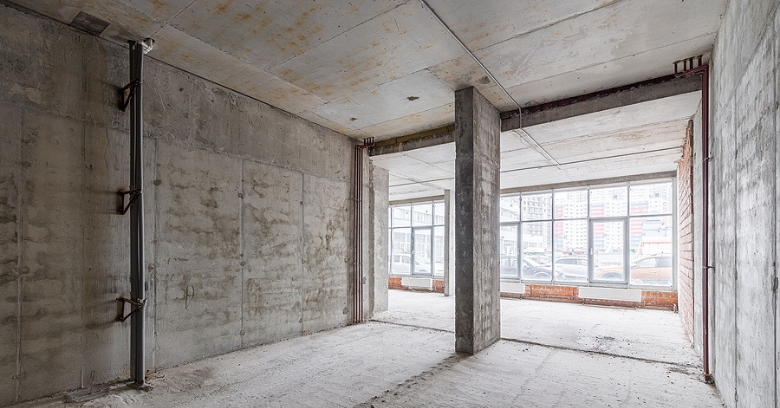
Getting ready to start Commercial Renovation Companies in Brenham Texas?
Good Company Construction handles the building side of a commercial update so the owner can stay focused on the business in Brenham Texas congregations.
Call 979-401-2527 to describe the space you want changed.
The Business Comes First, Then the Building
Anyone weighing Commercial Renovation Companies in Brenham Texas for a business or a congregation soon learn the project is shaped by what happens inside the walls every day. A business loses momentum when its space is out of service, and a congregation loses its rhythm without its building, and a good remodel plan is written around those facts.
Good Company Construction approaches Commercial Renovation Companies by asking how the space is used, and when, because the construction sequence follows from them.
Staying Open Through a Renovation
For projects in occupied spaces, the contractor splits the job into zones and finishes one before opening the next. Sealed partitions and covered floors keep dust and debris where they belong, and a separate entrance for workers and materials keeps the front door clear.
Noisy or disruptive steps are often pushed to evenings and weekends. Shutting down power to a panel, cutting into a slab, or refinishing a floor belong to the part of the schedule that has the fewest people around.
Accessibility, Fire Safety, and Egress Come With the Territory
Rooms used by large numbers of people are held to rules on accessibility, fire protection, and safe exits that a house does not face. Once the layout changes, the local office may want to see how the new plan handles access and exits, so those questions belong in the first meeting and not the last.
The way a building is classified also shapes the rules. Places of worship, offices, dining rooms, and stores have different rules for occupancy and egress. Rules differ from city to city and county to county across the state, which makes it wise to confirm the local process before design is finished.
Mechanical and Electrical Needs Change With the Floor Plan
When the floor plan changes, the loads on the systems change with it. More people in a space means more heat, more power, and more demand on ventilation, so capacity is checked early rather than discovered halfway through. Pathways for low-voltage cabling belong in the drawings from the start.
Existing Conditions Shape the Scope More Than the Drawings Do
A building that has changed hands and purposes over time often holds conditions nobody drew on a plan. Ceiling spaces crowded with old ductwork, wiring from past tenants, and pipes that run in unexpected directions are far easier to handle when they were mentioned at the start.
Where older materials are involved, the sensible step is to find out before demolition starts. Rules for handling and disposal come from state and federal authorities, and a good builder is clear with the owner about how that part of the job works.
Interior Build-Out: Walls, Ceilings, Floors, and Light
Commercial interiors take more wear than most homes do. Durable floor coverings, washable paints, and hardware that holds up should be chosen with maintenance in mind.
How a space sounds and how it is lit matter as much as how it looks. Careful choices about ceiling height, materials, and partitions control how voices carry, and the lighting layout is easiest to settle before the ceiling is closed.
Remodeling a Place of Worship or Meeting Hall
A room that hosts large groups needs to seat many people comfortably. Sight lines to the front, the sound system, and the lighting have to be considered together when the room is changed. High ceilings make lighting, sound treatment, and maintenance more involved, so the early conversation matters even more.
Exterior Updates That Change How a Building Is Seen
When the building is part of the brand, the storefront or entrance sets the tone before anyone steps inside. Doors, windows, canopies, and exterior finishes work together as a single design. Surfaces facing summer heat and wind-driven rain needs details that shed water and resist fading.
Beyond the Interior: Roofs, Pavement, and Drainage
A typical commercial roof is built to hold water back and then shed it slowly, so proper drainage and sealed penetrations are the main defense against leaks. Intense heat expands and contracts the roof surface every day, and the seams take the strain, and work that adds equipment on the roof should be coordinated with whoever maintains it.
Parking lots and entrances take a beating and affect how the building works. Cracked pavement, low spots, and drains that no longer carry water away can create safety and access problems that a remodel is a good chance to correct.
Setting Expectations Before the Work Begins
Surprises are the hardest part of living through construction. A brief weekly summary shared with staff, tenants, or the congregation lets people adapt before they are inconvenienced. One person on the owner side and one on the contractor side can keep small issues from becoming big ones.
Choosing the Right Weeks for the Work
Commercial buildings do not all slow down at the same time of year. Restaurants often choose the slowest weeks, while offices may prefer weekends or evenings, and a realistic schedule includes room for weather and late deliveries. Roofing, paving, painting, and other outdoor tasks cannot proceed in a heavy storm, so a little extra time is built in for the days that cannot be worked.
Who Has to Say Yes on a Leased or Shared Property
Commercial projects often involve more than one decision maker, and the approvals do not always arrive in the order the schedule needs. A tenant may need the landlord's approval for changes to walls, systems, or the exterior, and an organization may need several meetings before a plan is settled. Making a list of every required sign-off keeps the schedule realistic.
Closing out a commercial job involves more than a final sweep. Mechanical, electrical, and life-safety equipment are tested together with the finished spaces, and a careful hand-off makes the first weeks in the renovated space far smoother.
Closing Out a Commercial Project
As the last trade leaves, the city or county signs off on the completed work. The owner or committee goes through the space with the contractor, and a punch list is cleared before the job is considered done.
When Commercial Renovation Companies is on the calendar in Brenham Texas, Good Company Construction welcomes a first conversation about what the space has to do. Get in touch at 979-401-2527 to share what the space needs to do.
Verified

Verified
Verified
Verified