
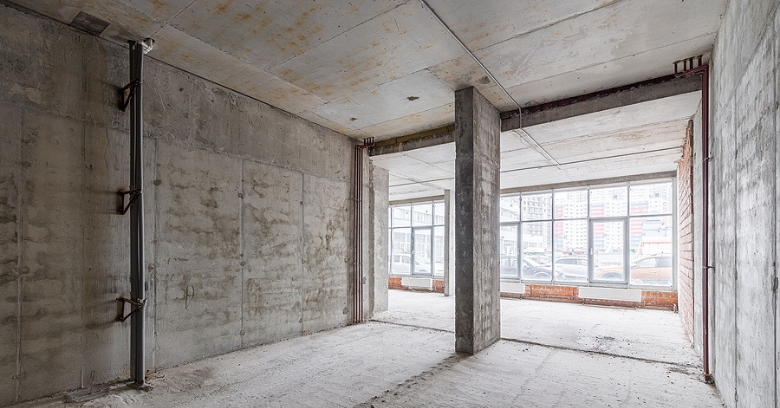
Planning Commercial Reno Contractors in Brenham Texas?
Good Company Construction reworks existing commercial buildings with the schedule, the access, and the code questions in mind in Brenham Texas building owners.
Ring 979-401-2527 to start with how your business uses the space today.
Design Follows Function in a Working Building
Tenants and landlords comparing Commercial Reno Contractors in Brenham Texas tend to discover that the building is only half the question. A business loses momentum when its space is out of service, and a congregation loses its rhythm without its building, and a good remodel plan is written around those facts.
With Commercial Reno Contractors, Good Company Construction starts by learning the daily and weekly rhythm of the building, because they decide whether work happens by day, at night, or in short phases.
Staying Open Through a Renovation
When a building has to stay in use, the contractor splits the job into zones and finishes one before opening the next. Temporary walls, dust barriers, and protected walkways keep the public away from the work, and noisy tasks are scheduled away from quiet hours.
Certain tasks are ideally done after closing. The loudest, dustiest, or most intrusive steps are put on the calendar well ahead so the owner can plan around them.
Accessibility, Fire Safety, and Egress Come With the Territory
Spaces where customers, clients, or members come and go come with requirements that cover accessible routes, fire separation, and the number and width of exits. A remodel can trigger a closer look at those items, so those questions belong in the first meeting and not the last.
A change in use is its own question. Conference suites, church fellowship halls, salons, and storefronts are treated differently by the codes that govern them. What one town asks for may differ from the next town over, so the safe approach is to ask rather than assume.
Does the Building Have Enough Power and Cooling for the New Layout?
Rearranging a space rearranges its utility needs. Heat from equipment and people through a long hot summer puts real stress on cooling, so an electrician and a mechanical contractor weigh in during design. Data cabling, security, and audio-visual needs deserve a place in the plan as well.
Older Commercial Buildings Hide Things Behind the Walls
A building that has changed hands and purposes over time usually has a few secrets above the ceiling and inside the walls. Older finishes and materials from another era, which may need testing before they are disturbed belong on the list of reasonable possibilities before the first wall comes down.
With buildings from certain eras, the sensible step is to find out before demolition starts. Rules for handling and disposal come from state and federal authorities, and the schedule is adjusted when it applies.
Interior Build-Out: Walls, Ceilings, Floors, and Light
A space used by many people every day needs tougher surfaces. Materials chosen for how they age under daily use should be chosen with maintenance in mind.
Two things people notice right away are the sound of a room and the quality of its light. Where a space needs quiet, walls and ceilings are built to keep sound in its place, and layered lighting makes a space more comfortable to work or gather in.
Sanctuaries and Assembly Spaces Have Their Own Needs
A sanctuary, fellowship hall, or large meeting room has to work for both large and small crowds. Seating arrangements, aisle widths, and the paths to the exits cannot be treated as separate decisions. Wide spans and high walls change how the work is staged, so schedules for these rooms need extra planning.
Storefronts, Entrances, and the Face of the Building
On properties that serve the public, the entrance is the first thing a visitor sees. Doors, windows, canopies, and exterior finishes work together as a single design. Weather in the state is hard on exposed materials needs details that shed water and resist fading.
Beyond the Interior: Roofs, Pavement, and Drainage
Many commercial buildings have roofs that barely slope, so drains, flashing, and rooftop equipment curbs matter a great deal. Heavy downpours, summer heat, and strong sun put the membrane and the seams under stress across the state, and work that adds equipment on the roof should be coordinated with whoever maintains it.
Pavement and drainage on the property deserve a look as well. Uneven walkways, worn striping, and drainage that has silted up affect how visitors reach the door and how water leaves the property.
Notices, Schedules, and a Single Point of Contact
Surprises are the hardest part of living through construction. A brief weekly summary shared with staff, tenants, or the congregation cuts down on questions and complaints. One person who answers questions for the building and one who answers for the work can make it easy to resolve problems the day they appear.
Choosing the Right Weeks for the Work
Commercial buildings do not all slow down at the same time of year. Stores want to be finished before the holiday rush, congregations before the major services of the year, and offices before a lease or a move, and a good contractor builds the schedule backward from those dates. In much of the state, hot afternoons and storm seasons limit what can be done outside, so a little extra time is built in for the days that cannot be worked.
Landlords, Boards, and Committees: Getting Sign-Off
Churches and organizations usually answer to a board or committee. Lease terms can limit the work or require specific approvals, and a committee often has to sign off on design decisions. Getting these approvals lined up early keeps a commercial project from stalling at the last minute.
Before the doors reopen, a commercial space is checked from end to end. The systems that protect people in an emergency are checked before anyone is allowed back in, and the people who will use the space deserve to know how it works.
Closing Out a Commercial Project
As the last of the work finishes and the trades begin to clear out, the city or county signs off on the completed work. A final walk-through with the owner, the manager, or the building committee follows once the space has been cleaned, and open items are resolved before the space is turned back over.
When Commercial Reno Contractors is on the calendar in Brenham Texas, Good Company Construction is a sensible place to start a conversation about the project. Get in touch at 979-401-2527 to set up the first conversation.
Verified

Verified
Verified
Verified