
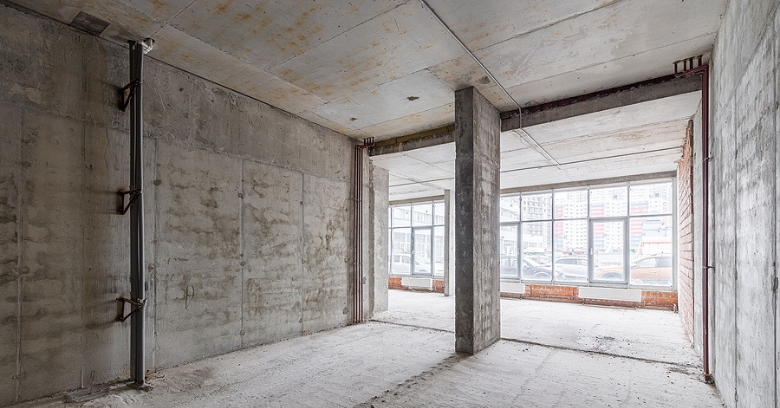
Need Commercial Remodeling in Brenham Texas?
Good Company Construction renovates offices, shops, and gathering spaces while the people who use them keep working in Brenham Texas congregations.
Call 979-401-2527 to talk through what the building has to keep doing during the work.
Before Anything Is Torn Out, Understand the Operation
Tenants and landlords comparing Commercial Remodeling in Brenham Texas come to see that the work has to fit the way people use the space. A clinic cannot lose its waiting room for a month, a showroom cannot hide its displays, and a school wing cannot lose its classrooms mid-term, and the construction plan has to start from those limits.
Good Company Construction begins Commercial Remodeling with questions about the operation, because they decide where the work zones go.
Work Zones, Barriers, and Detours in a Live Building
When customers, staff, or worshippers keep coming in, the project is broken into sections that can be sealed off. Signs, detours, and protected routes help people reach what they came for, and the loading route is planned so it does not cross the main entrance.
Certain tasks are ideally done after closing. The loudest, dustiest, or most intrusive steps are timed to cause the smallest interruption.
Life Safety Is Part of Every Commercial Update
Spaces where customers, clients, or members come and go have to work for every visitor and be safe in an emergency. A remodel can trigger a closer look at those items, so the plan has to account for the rules from the beginning.
Occupancy type matters too. An assembly space, a business office, a food service area, and a sales floor are treated differently by the codes that govern them. Each jurisdiction sets its own process for plan checks and inspection, which is another reason to talk to the local office early.
Mechanical and Electrical Needs Change With the Floor Plan
When the floor plan changes, the loads on the systems change with it. Added equipment, new lighting, and denser seating all push on capacity, so the existing equipment is evaluated while the plan can still change. Low-voltage systems should be laid out at the same time as the walls.
Older Commercial Buildings Hide Things Behind the Walls
A building that has changed hands and purposes over time often holds conditions nobody drew on a plan. Ceiling spaces crowded with old ductwork, wiring from past tenants, and pipes that run in unexpected directions should be anticipated in the schedule and discussed with the owner in advance.
If testing suggests that something needs special handling, the sensible step is to find out before demolition starts. Rules for handling and disposal come from state and federal authorities, and it is better to know early than to be surprised.
How the Inside of a Commercial Space Comes Together
A space used by many people every day needs tougher surfaces. Finishes selected for hard wear, easy maintenance, and a clean look deserve a close look before anything is ordered.
How a space sounds and how it is lit matter as much as how it looks. Where a space needs quiet, walls and ceilings are built to keep sound in its place, and the placement of fixtures should follow how the room is used.
Large Gathering Rooms Raise Special Questions
A room that hosts large groups serves a purpose that most other rooms do not. Aisles, exits, platforms, and the way people enter and leave the room all depend on one another. Tall rooms bring structural, mechanical, and access questions, so the schedule has to include those added steps.
Exterior Updates That Change How a Building Is Seen
For a business that depends on walk-in traffic, the storefront or entrance sets the tone before anyone steps inside. Doors, windows, canopies, and exterior finishes work together as a single design. Surfaces facing summer heat and wind-driven rain depends on careful flashing, sealants, and coatings.
Water Management on a Commercial Property
Commercial roofs are usually flat or low-slope, so proper drainage and sealed penetrations are the main defense against leaks. Sudden storms and long periods of strong sun age roofing materials faster than many owners expect, and the interior plan should never ignore what is happening overhead.
Parking lots and entrances take a beating and affect how the building works. Uneven walkways, worn striping, and drainage that has silted up are common on older commercial sites and are easiest to deal with while contractors are already mobilized.
Communication During a Project in a Working Building
Most complaints during a project come from people who were not told. An update on what is closed this week, what opens next, and what to expect after hours cuts down on questions and complaints. One person on the owner side and one on the contractor side can keep small issues from becoming big ones.
Seasons, Events, and Busy Periods Shape the Schedule
The ideal window for construction is rarely the one that is convenient for the builder. Events, deadlines, and inspections all place dates on the calendar that cannot move, and the plan should start from the dates the owner cannot change. In much of the state, hot afternoons and storm seasons limit what can be done outside, so indoor tasks are held in reserve for bad-weather days.
Who Has to Say Yes on a Leased or Shared Property
Different people hold different pieces of the approval. The lease usually spells out which changes need approval and from whom, and a decision made by one person may not be final. Agreeing on the approval path before work begins keeps the schedule realistic.
The final stage of a commercial project has its own checklist. The systems that protect people in an emergency are checked before anyone is allowed back in, and the people who will use the space deserve to know how it works.
Finishing the Work and Handing the Space Back
As the last trade leaves, the local office looks over the completed project. The owner or committee goes through the space with the contractor, and small corrections are listed and handled.
For owners and managers in Brenham Texas planning Commercial Remodeling, Good Company Construction can begin with a conversation about the operation, the building, and the timeline. Get in touch at 979-401-2527 to describe your building and your plans.
Verified

Verified
Verified
Verified