
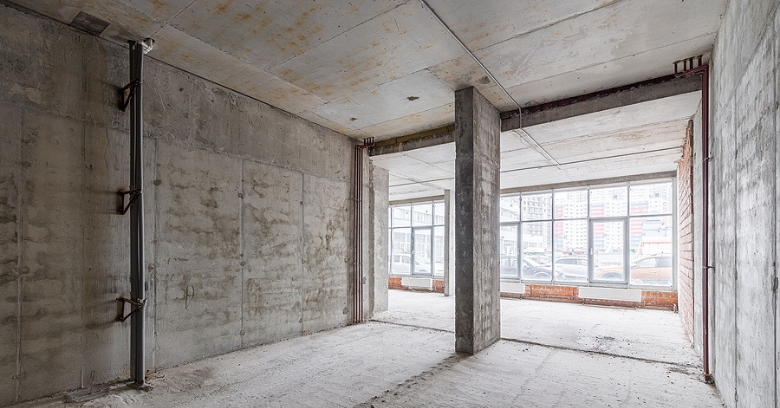
Need Public Service Building Remodeling Contractors in Brenham Texas?
Good Company Construction reworks existing commercial buildings with the schedule, the access, and the code questions in mind throughout Brenham Texas building owners.
Dial 979-401-2527 to explain the timeline you are working against.
Design Follows Function in a Working Building
Tenants and landlords comparing Public Service Building Remodeling Contractors in Brenham Texas soon learn the project is shaped by what happens inside the walls every day. A business loses momentum when its space is out of service, and a congregation loses its rhythm without its building, and the schedule is only realistic if it respects them.
On Public Service Building Remodeling Contractors, Good Company Construction asks what has to stay open, what can close, and how much time is available, because the answers decide the sequence of the whole job.
Work Zones, Barriers, and Detours in a Live Building
When a building has to stay in use, the work moves through the building in stages. Signs, detours, and protected routes help people reach what they came for, and worker access stays out of the public eye.
Work that affects power, water, or access is often scheduled for off hours. Shutting down power to a panel, cutting into a slab, or refinishing a floor are timed to cause the smallest interruption.
What Changes in the Rules When a Building Serves the Public
Commercial buildings that serve the public come with requirements that cover accessible routes, fire separation, and the number and width of exits. The scope of the work often decides how much of the building has to be looked at again, so the plan has to account for the rules from the beginning.
How a space is used decides which requirements apply. Places of worship, offices, dining rooms, and stores do not all carry the same requirements. Plan-check practices vary from one jurisdiction to another, which is another reason to talk to the local office early.
Electrical, Cooling, and Data Capacity in an Older Building
A commercial update often asks more from the systems than the original design did. Heat from equipment and people through a long hot summer puts real stress on cooling, so capacity is checked early rather than discovered halfway through. Pathways for low-voltage cabling belong in the drawings from the start.
Older Commercial Buildings Hide Things Behind the Walls
A commercial property with a long history often holds conditions nobody drew on a plan. Ceiling spaces crowded with old ductwork, wiring from past tenants, and pipes that run in unexpected directions are found often enough that the plan should allow time for them.
With buildings from certain eras, the right move is to have the material identified and handled properly before it is disturbed. Rules for handling and disposal come from state and federal authorities, and the schedule is adjusted when it applies.
Layout, Acoustics, and Finishes in a Working Interior
A business interior is expected to look good under constant use. Materials chosen for how they age under daily use should be chosen with maintenance in mind.
Acoustics and lighting do a lot of the work in a finished space. A ceiling treatment or a change in wall material can calm a noisy room, and layered lighting makes a space more comfortable to work or gather in.
Planning for Seating, Sound, and Sightlines
A hall used for worship, for events, or for the community has to work for both large and small crowds. The number of people the room holds, how they move, and how quickly they can leave are tied to each other, so changing one affects the rest. Large-span ceilings and tall walls add their own construction questions, so schedules for these rooms need extra planning.
Signs, Doors, and Curb Appeal for Business Properties
For many commercial owners and for most organizations that welcome the public, the street-facing side carries a lot of weight. Entry doors, glass, awnings, lighting, and signs should be planned as a unit. Weather in the state is hard on exposed materials needs details that shed water and resist fading.
Roofs, Drainage, and Parking: The Parts Nobody Sees Until They Fail
Many commercial buildings have roofs that barely slope, so ponding water and failed seams are the usual causes of trouble. Sudden storms and long periods of strong sun age roofing materials faster than many owners expect, and a quick check of the roof before the interior is finished can prevent damage to new finishes.
Parking areas and walkways are part of the same picture. Entrances that collect water and surfaces that have shifted with the soil are worth a look because they affect how the building holds up.
Telling Staff, Customers, and Members What to Expect
People handle disruption well when they know when, where, and how long. Clear information about parking, entrances, and restroom access keeps the project from feeling like something that is happening to people. A short chain of communication between the decision maker and the project lead can prevent mixed messages.
Choosing the Right Weeks for the Work
The ideal window for construction is rarely the one that is convenient for the builder. Seasonal businesses plan the work for their off season, and year-round businesses plan it in phases, and a good contractor builds the schedule backward from those dates. Sudden storms, strong wind, and extreme summer heat can interrupt outdoor work for days at a time, so a little extra time is built in for the days that cannot be worked.
Who Has to Say Yes on a Leased or Shared Property
Different people hold different pieces of the approval. Lease terms can limit the work or require specific approvals, and a congregation may need a vote or a building committee to approve the plan. Identifying the decision makers before the drawings are final helps everyone understand the timeline.
Commercial punch lists are longer than residential ones. Emergency lighting, exit signs, door hardware, alarms, and accessible features are tested, and the owner should expect a walk-through of every area, not just the finished showpiece rooms.
Closing Out a Commercial Project
At the end of the project, the local office looks over the completed project. A final walk-through with the owner, the manager, or the building committee follows once the space has been cleaned, and open items are resolved before the space is turned back over.
When Public Service Building Remodeling Contractors is on the calendar in Brenham Texas, Good Company Construction can explain how a project like yours would be staged and scheduled. Phone 979-401-2527 to begin sorting out the phases.
Verified

Verified
Verified
Verified