
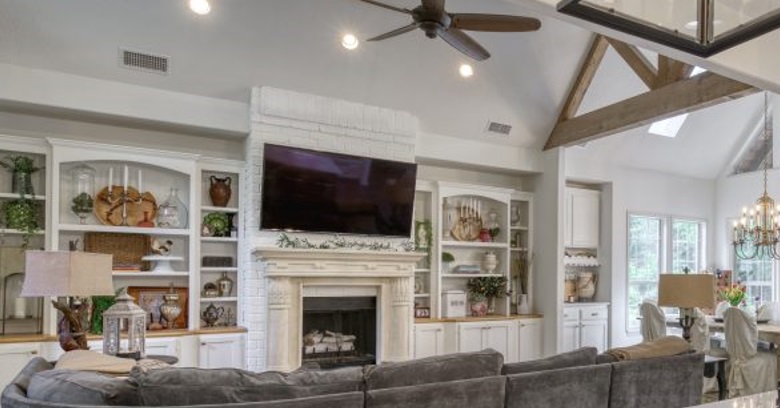
Trying to find Whole Home Contractors in Brenham Texas?
Good Company Construction takes responsibility for the building side of a home project from layout to finish across Brenham Texas households.
Ring 979-401-2527 to talk through what you want built or changed.
Why Bigger Home Projects Need One Person in Charge
People who look into Whole Home Contractors in Brenham Texas quickly finds that the role is bigger than it sounds. The general contractor is the party responsible for the overall job. It makes sure each trade arrives when its part is ready, and it holds the overall plan so the owner does not have to.
The role is quite different from performing one trade, and it is the part owners tend to underestimate. The trades are specialties in their own right, yet the project is won or lost on how smoothly the pieces connect. Good Company Construction organizes Whole Home Contractors so one plan connects every trade, and owners feel the difference in how few calls they have to make.
Two Common Paths From Idea to Finished Home
On a design-build project, design and construction sit under the same roof and the same contract. Problems of structure, access, and sequence surface during design, not after it, and one party is responsible when something needs to be adjusted.
The other path is a separate designer and builder, and it works well when plans are already in hand. The plans become a document that several contractors can study, which fits owners who want to settle the design before choosing who builds it. It comes down to what the owner values most, and Whole Home Contractors in Brenham Texas can be planned either way.
Adding Space Means Changing the Structure
New space added to a house ties into foundation, framing, roof, and mechanical systems that were set years before. The new foundation has to work with the old one, and flashing and slope at the junction decide whether it stays dry. Heating and cooling capacity also deserves a second look, and the answer should come before the plans are final.
Everything else in an addition rests on the frame, and it is the stage where accuracy counts most. Plumb, level, and square framing make trim, cabinets, and doors fit without fuss. Ask anyone in the trades, and the point is that mistakes in the frame travel all the way to the paint.
Details That Decide Whether New Space Blends In
Quality work can still look like an afterthought, unless the details of the original home were studied first. Existing materials have changed color with the weather, and new ones have not, and a thoughtful builder talks through those options with the owner.
Rooflines are where an addition most often gives itself away, and the junction between old and new deserves extra attention. A roof that matches in slope and eave depth looks natural, and it makes the rainwater path easier to manage.
Mechanical Systems Have to Grow With the House
A house is sized as a system, and an addition changes the total, and the numbers should be checked, not assumed. Long hot summers put the most strain on cooling, so capacity is worth checking early, and it is usually easier to plan for that during design than to correct it afterward. Panels and pipes also have limits that an addition can reach, and the findings go into the scope of work.
Bigger Scope, Bigger Planning Needs
A renovation that reaches most or all of a house turns on how rooms connect, not just how each one looks. Staying put is often possible for phased work and harder for a full gut, and the contractor can stage the rooms to leave a kitchen or bathroom usable as long as possible.
Older homes bring their own surprises, and it is easiest to handle with a flexible plan. Wiring from another era, plumbing that has been patched, and framing that has been altered are better expected than hoped against. Telling the owner early that surprises are possible can be a sign of a contractor who has done this before.
The Approval Side of an Addition or Remodel
As soon as a job alters structure, adds space, or moves systems, the more likely drawings have to be approved before work starts. Every jurisdiction in the state decides for itself what work needs a permit, and the general contractor is the one who deals with the office. Subdivision rules may add an extra step, and that approval can take a while.
Questions Worth Asking Before You Choose a Contractor
Picking a contractor for an addition or remodel has a business side and a personal side. Ask which party deals with the city or county and the homeowners association, and learn how often the owner will hear about progress.
Owners should expect to be able to confirm that the local paperwork is handled, and see that the work and the calendar are described in a document both sides can read. Someone who has run many larger projects tends to have a system behind the answers.
Why Staging Matters When the House Stays Occupied
Good schedules begin with the items that cannot be rushed, and the date for each phase follows from it. Items ordered to size often arrive long after standard stock does, so the order of ordering matters as much as the order of building.
For projects with the owners at home, the contractor plans how to keep part of the house livable. Sealed doorways, covered flooring, and a separate entrance for the trades keep daily life going while the building work continues. Families that plan the daily routine around the work are less surprised by what the job is like day to day.
Owner Choices That Keep a Project on Schedule
Owners of a bigger job make dozens of selections, and most owners enjoy it more when it is organized. Doors, trim profiles, cabinet hardware, and surfaces all have to be settled early enough to be ordered and delivered on time. When the contractor provides a schedule of decisions keeps the project from stalling on a missing choice.
A well-prepared drawing package works as a tool as well as a requirement, and gaps in the plans come back as questions. Framers use them to lay out walls, electricians to place outlets, and plumbers to route supply and drain lines, so a set that leaves gaps tends to produce mistakes in the field.
Finishing the Project and Handing It Over
Once construction is done, there is a walk-through, room by room. Whatever is not right gets fixed before the project is called done, and the town's final inspection signs off on the building work.
For Whole Home Contractors in Brenham Texas, Good Company Construction is ready to discuss how the project would be organized from start to finish. Phone 979-401-2527 to describe the home you have in mind.
Verified

Verified
Verified
Verified