
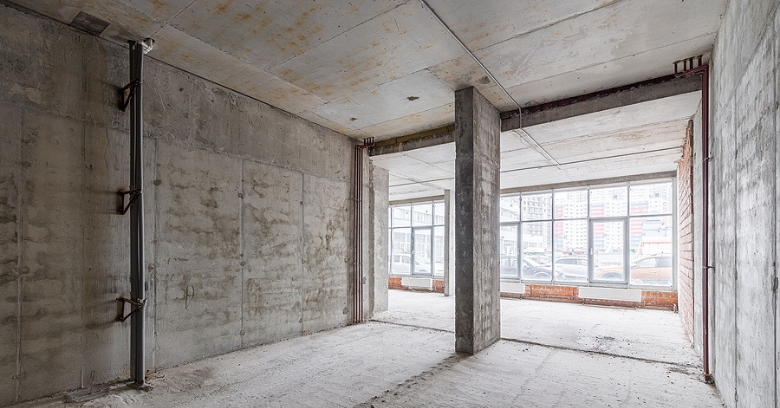
Need Church Renovation Services in Caldwell Texas?
Good Company Construction renovates offices, shops, and gathering spaces while the people who use them keep working in Caldwell Texas building owners.
Ring 979-401-2527 to describe the space you want changed.
A Commercial Remodel Starts With How the Space Is Used
Tenants and landlords comparing Church Renovation Services in Caldwell Texas find that the hardest part is keeping the place working while it changes. A clinic cannot lose its waiting room for a month, a showroom cannot hide its displays, and a school wing cannot lose its classrooms mid-term, and a good remodel plan is written around those facts.
Good Company Construction begins Church Renovation Services with questions about the operation, because the answers decide the sequence of the whole job.
Staying Open Through a Renovation
When customers, staff, or worshippers keep coming in, the work is divided into phases that isolate one area at a time. Barriers, floor protection, and clearly marked paths separate visitors from the work zone, and a separate entrance for workers and materials keeps the front door clear.
Certain tasks are ideally done after closing. Cutting concrete, running a loud saw, or taking the water off for a connection are put on the calendar well ahead so the owner can plan around them.
The Code Questions That Apply to Public Buildings
Any building open to visitors have to work for every visitor and be safe in an emergency. Once the layout changes, the local office may want to see how the new plan handles access and exits, so those questions belong in the first meeting and not the last.
A change in use is its own question. An assembly space, a business office, a food service area, and a sales floor have different rules for occupancy and egress. Plan-check practices vary from one jurisdiction to another, so the safe approach is to ask rather than assume.
Electrical, Cooling, and Data Capacity in an Older Building
Rearranging a space rearranges its utility needs. More people in a space means more heat, more power, and more demand on ventilation, so capacity is checked early rather than discovered halfway through. Phone, network, and security wiring are easiest to run while walls are open.
What Demolition Turns Up in an Existing Building
A commercial property with a long history often holds conditions nobody drew on a plan. Structural members cut for earlier equipment, and slabs with sleeves nobody remembers are all things a careful contractor expects and plans a little room for.
With buildings from certain eras, the sensible step is to find out before demolition starts. Rules for handling and disposal come from state and federal authorities, and an honest conversation at the start avoids confusion later.
Choosing Finishes for a Space That Gets Heavy Use
High-traffic buildings put real demands on every finish. Durable floor coverings, washable paints, and hardware that holds up make a bigger difference to a commercial space than most owners expect.
Acoustics and lighting do a lot of the work in a finished space. Hard surfaces make a room echo, while ceilings, wall panels, and soft finishes absorb sound, and lighting plans balance daylight, general illumination, and focused task light.
Large Gathering Rooms Raise Special Questions
A room that hosts large groups serves a purpose that most other rooms do not. Sight lines to the front, the sound system, and the lighting have to be considered together when the room is changed. Tall rooms bring structural, mechanical, and access questions, so the schedule has to include those added steps.
Storefronts, Entrances, and the Face of the Building
For a business that depends on walk-in traffic, how the front of the building looks is part of how the organization is judged. Parking surfaces, walkways, landscaping edges, and the entrance doors are all part of the same conversation. Surfaces facing summer heat and wind-driven rain is wisely specified with durable materials and good drainage in mind.
Site and Shell Work Around a Commercial Building
Most commercial roofs are designed very differently from a house roof, so the details around drains, edges, and equipment decide whether it stays dry. Storms in the state can deliver a large amount of rain in a short time, and drains have to keep up, and a quick check of the roof before the interior is finished can prevent damage to new finishes.
Site surfaces and grading often get overlooked. Water that stands after a rain and ground that has moved with the clay can create safety and access problems that a remodel is a good chance to correct.
Setting Expectations Before the Work Begins
Surprises are the hardest part of living through construction. A short schedule posted at the entrance, a note about which doors are in use, and a heads-up before noisy work keeps the project from feeling like something that is happening to people. One person on the owner side and one on the contractor side can keep small issues from becoming big ones.
Timing a Commercial Project Around the Calendar
The ideal window for construction is rarely the one that is convenient for the builder. Events, deadlines, and inspections all place dates on the calendar that cannot move, and the plan should start from the dates the owner cannot change. In much of the state, hot afternoons and storm seasons limit what can be done outside, so the finish date is set with weather in mind.
Landlords, Boards, and Committees: Getting Sign-Off
Commercial projects often involve more than one decision maker, and the approvals do not always arrive in the order the schedule needs. Owners of leased buildings often have rules about what tenants can alter, and a committee often has to sign off on design decisions. Getting these approvals lined up early helps everyone understand the timeline.
Closing out a commercial job involves more than a final sweep. Emergency lighting, exit signs, door hardware, alarms, and accessible features are tested, and that final stage is where a well-run project shows its quality.
Finishing the Work and Handing the Space Back
Once the new space is ready, the local office looks over the completed project. The owner or committee goes through the space with the contractor, and a punch list is cleared before the job is considered done.
If your organization in Caldwell Texas is ready to talk about Church Renovation Services , Good Company Construction is a sensible place to start a conversation about the project. Get in touch at 979-401-2527 to set up the first conversation.
Verified

Verified
Verified
Verified