
Planning Commercial Building Remodel Contractors in Caldwell Texas?
Good Company Construction takes on interior and exterior updates for buildings that serve the public around Caldwell Texas tenants.
Reach out at 979-401-2527 to ask how a commercial project like yours would be phased.
Every Commercial Update Begins With a Question About Daily Use
Owners who look into Commercial Building Remodel Contractors in Caldwell Texas find that the hardest part is keeping the place working while it changes. A clinic cannot lose its waiting room for a month, a showroom cannot hide its displays, and a school wing cannot lose its classrooms mid-term, and the contractor should ask about them before drawing a line.
Good Company Construction approaches Commercial Building Remodel Contractors by asking how the space is used, and when, because the answers decide the sequence of the whole job.
How Phasing Protects a Business During the Work
When a building has to stay in use, the work moves through the building in stages. Signs, detours, and protected routes help people reach what they came for, and the loading route is planned so it does not cross the main entrance.
Certain tasks are ideally done after closing. Tying into plumbing, switching over electrical service, or applying coatings that smell and need to cure are timed to cause the smallest interruption.
The Code Questions That Apply to Public Buildings
Commercial buildings that serve the public are held to rules on accessibility, fire protection, and safe exits that a house does not face. Once the layout changes, the local office may want to see how the new plan handles access and exits, so the plan has to account for the rules from the beginning.
Occupancy type matters too. Places of worship, offices, dining rooms, and stores are treated differently by the codes that govern them. Rules differ from city to city and county to county across the state, and why assumptions based on another town can be wrong.
Systems Behind the Walls Set the Limits of a Remodel
Rearranging a space rearranges its utility needs. Modern equipment and a fuller floor can strain a panel that was installed long ago, so the existing equipment is evaluated while the plan can still change. Pathways for low-voltage cabling belong in the drawings from the start.
What Demolition Turns Up in an Existing Building
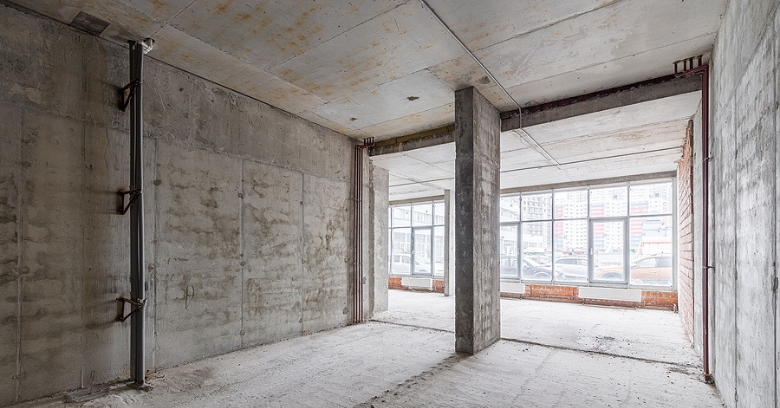
A building that has changed hands and purposes over time is rarely exactly what the old drawings show. Walls that were moved, floors that were patched, and openings that were closed in without much record are far easier to handle when they were mentioned at the start.
If testing suggests that something needs special handling, the right move is to have the material identified and handled properly before it is disturbed. Specialists handle these items under formal rules, and it is better to know early than to be surprised.
Choosing Finishes for a Space That Gets Heavy Use
A business interior is expected to look good under constant use. Durable floor coverings, washable paints, and hardware that holds up make a bigger difference to a commercial space than most owners expect.
Sound and light shape how a room feels. Hard surfaces make a room echo, while ceilings, wall panels, and soft finishes absorb sound, and lighting plans balance daylight, general illumination, and focused task light.
Planning for Seating, Sound, and Sightlines
A hall used for worship, for events, or for the community has to do several things at once. Seating arrangements, aisle widths, and the paths to the exits are part of a single plan. Work at height needs planning, equipment, and time, so the schedule has to include those added steps.
First Impressions Are Part of the Project
When the building is part of the brand, the street-facing side carries a lot of weight. Entry doors, glass, awnings, lighting, and signs are easier to handle when considered together. Weather in the state is hard on exposed materials calls for materials chosen to hold up to sun and moisture.
Beyond the Interior: Roofs, Pavement, and Drainage
A typical commercial roof is built to hold water back and then shed it slowly, so drains, flashing, and rooftop equipment curbs matter a great deal. Sudden storms and long periods of strong sun age roofing materials faster than many owners expect, and the interior plan should never ignore what is happening overhead.
Parking lots and entrances take a beating and affect how the building works. Ponding at the entrance, settling near the building, and slopes that send water toward the doors are worth a look because they affect how the building holds up.
Notices, Schedules, and a Single Point of Contact
Most complaints during a project come from people who were not told. A short schedule posted at the entrance, a note about which doors are in use, and a heads-up before noisy work helps everyone plan around the work. A named contact for the owner and a named contact for the builder can save time for everybody.
Planning Around the Rhythm of the Business Year
A retail space, a school wing, and a sanctuary all have different peak times. Events, deadlines, and inspections all place dates on the calendar that cannot move, and a realistic schedule includes room for weather and late deliveries. Exterior work depends on the weather as well, so indoor tasks are held in reserve for bad-weather days.
Landlords, Boards, and Committees: Getting Sign-Off
Several parties may need to approve a remodel before it starts. Lease terms can limit the work or require specific approvals, and a board has to agree on scope and schedule. Getting these approvals lined up early saves a good deal of time later.
The final stage of a commercial project has its own checklist. Emergency lighting, exit signs, door hardware, alarms, and accessible features are tested, and any open items are listed with dates for completion.
Closing Out a Commercial Project
As the last of the work finishes and the trades begin to clear out, an inspector checks the finished building. The contractor and the owner walk each area, and touch-ups are written down and completed.
For Commercial Building Remodel Contractors in Caldwell Texas, Good Company Construction is ready to discuss how the work could be phased around daily use. Phone 979-401-2527 to describe your building and your plans.
Verified

Verified
Verified
Verified