
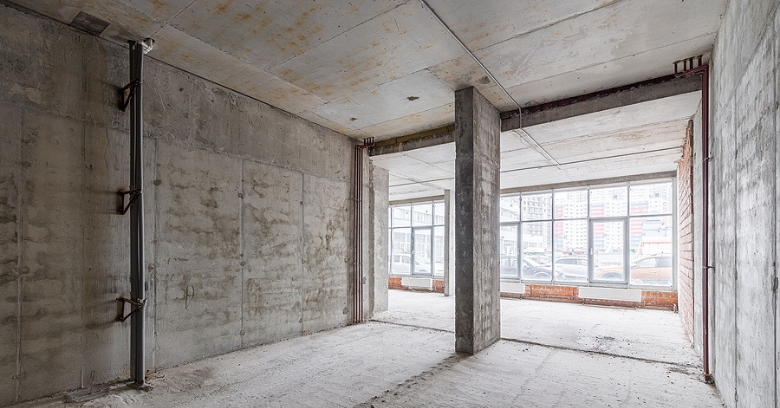
Need Office Space Makeover Contractors in Caldwell Texas?
Good Company Construction handles the building side of a commercial update so the owner can stay focused on the business around Caldwell Texas businesses.
Call 979-401-2527 to describe the space you want changed.
Every Commercial Update Begins With a Question About Daily Use
Tenants and landlords comparing Office Space Makeover Contractors in Caldwell Texas find that the hardest part is keeping the place working while it changes. A business loses momentum when its space is out of service, and a congregation loses its rhythm without its building, and the schedule is only realistic if it respects them.
Good Company Construction treats Office Space Makeover Contractors as a scheduling puzzle before it is a construction project, because they decide whether work happens by day, at night, or in short phases.
Staying Open Through a Renovation
When customers, staff, or worshippers keep coming in, the work is divided into phases that isolate one area at a time. Temporary walls, dust barriers, and protected walkways keep the public away from the work, and the loading route is planned so it does not cross the main entrance.
Noisy or disruptive steps are often pushed to evenings and weekends. Tasks with dust, fumes, or utility shutoffs are usually pushed to nights, weekends, or planned closures.
What Changes in the Rules When a Building Serves the Public
Any building open to visitors answer to codes that cover ramps, restrooms, door widths, alarms, and exit paths. Once the layout changes, the local office may want to see how the new plan handles access and exits, so those questions belong in the first meeting and not the last.
The way a building is classified also shapes the rules. Meeting halls, clinics, classroom wings, and warehouse showrooms sit in different categories for fire and safety planning. Local authorities in the state interpret and apply these standards in their own way, which makes it wise to confirm the local process before design is finished.
Systems Behind the Walls Set the Limits of a Remodel
A commercial update often asks more from the systems than the original design did. More people in a space means more heat, more power, and more demand on ventilation, so the remodel plan should confirm what the systems can carry before the new layout is final. Cabling for networks and audio systems is far easier to install during construction than after.
Hidden Conditions in Aging Commercial Space
A commercial property with a long history usually has a few secrets above the ceiling and inside the walls. Plumbing that no longer serves anything, wiring that nobody can trace, and framing changed for an earlier layout are found often enough that the plan should allow time for them.
With buildings from certain eras, the sensible step is to find out before demolition starts. The requirements are specific and are followed to the letter, and an honest conversation at the start avoids confusion later.
How the Inside of a Commercial Space Comes Together
Floors, walls, and doors in a public space see steady traffic. Flooring that resists scuffs, wall surfaces that clean easily, and doors and hardware built for heavy use are often the difference between a space that ages well and one that looks tired quickly.
Two things people notice right away are the sound of a room and the quality of its light. Where a space needs quiet, walls and ceilings are built to keep sound in its place, and lighting plans balance daylight, general illumination, and focused task light.
Sanctuaries and Assembly Spaces Have Their Own Needs
A room that hosts large groups is built around sightlines, sound, and safe movement. Seating arrangements, aisle widths, and the paths to the exits cannot be treated as separate decisions. Wide spans and high walls change how the work is staged, so it helps to choose a builder who has handled large rooms before.
First Impressions Are Part of the Project
When the building is part of the brand, the entrance is the first thing a visitor sees. Parking surfaces, walkways, landscaping edges, and the entrance doors are easier to handle when considered together. Finishes exposed to strong UV and heavy rain calls for materials chosen to hold up to sun and moisture.
Beyond the Interior: Roofs, Pavement, and Drainage
Commercial roofs are usually flat or low-slope, so ponding water and failed seams are the usual causes of trouble. Heavy downpours, summer heat, and strong sun put the membrane and the seams under stress across the state, and a quick check of the roof before the interior is finished can prevent damage to new finishes.
Parking lots and entrances take a beating and affect how the building works. Cracked pavement, low spots, and drains that no longer carry water away are common on older commercial sites and are easiest to deal with while contractors are already mobilized.
How to Keep Everyone Informed While Construction Is Under Way
Most complaints during a project come from people who were not told. A brief weekly summary shared with staff, tenants, or the congregation keeps the project from feeling like something that is happening to people. One person on the owner side and one on the contractor side can prevent mixed messages.
Seasons, Events, and Busy Periods Shape the Schedule
Every kind of building has a busy season and a quiet one. Events, deadlines, and inspections all place dates on the calendar that cannot move, and a good contractor builds the schedule backward from those dates. Sudden storms, strong wind, and extreme summer heat can interrupt outdoor work for days at a time, so the plan remains realistic when the forecast changes.
Who Has to Say Yes on a Leased or Shared Property
A leased space adds a landlord to the list of people who must agree. The lease usually spells out which changes need approval and from whom, and a decision made by one person may not be final. Making a list of every required sign-off saves a good deal of time later.
Commercial punch lists are longer than residential ones. Signs, lighting, door closers, restroom fixtures, and safety devices are confirmed to be working, and that final stage is where a well-run project shows its quality.
Finishing the Work and Handing the Space Back
As the last of the work finishes and the trades begin to clear out, an inspector checks the finished building. Everyone responsible for the space goes over the finished work together, and touch-ups are written down and completed.
If your organization in Caldwell Texas is ready to talk about Office Space Makeover Contractors, Good Company Construction welcomes a first conversation about what the space has to do. Reach us at 979-401-2527 to describe your building and your plans.
Verified

Verified
Verified
Verified