
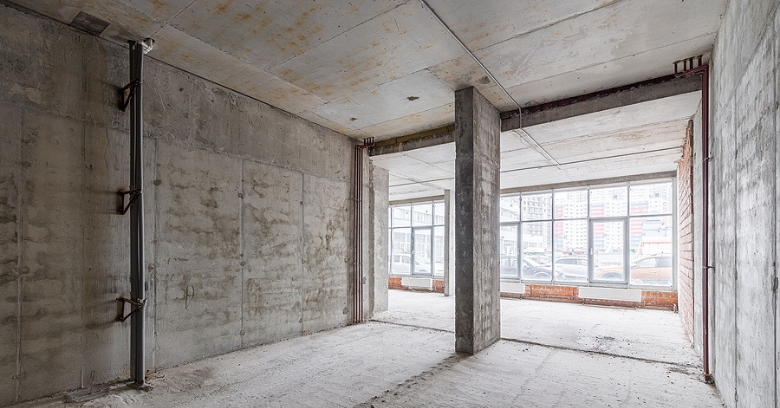
Getting ready to start Church Makeover Contractors in College Station Texas?
Good Company Construction renovates offices, shops, and gathering spaces while the people who use them keep working across College Station Texas tenants.
Reach out at 979-401-2527 to start with how your business uses the space today.
A Commercial Remodel Starts With How the Space Is Used
Owners who look into Church Makeover Contractors in College Station Texas soon learn the project is shaped by what happens inside the walls every day. A restaurant has to serve customers, an office has to answer phones, and a church has to hold services, and the contractor should ask about them before drawing a line.
On Church Makeover Contractors , Good Company Construction asks what has to stay open, what can close, and how much time is available, because they decide where the work zones go.
How Phasing Protects a Business During the Work
For projects in occupied spaces, the work moves through the building in stages. Sealed partitions and covered floors keep dust and debris where they belong, and the loading route is planned so it does not cross the main entrance.
Some of the work simply has to be done when the building is empty. Shutting down power to a panel, cutting into a slab, or refinishing a floor are the kind of tasks planned for hours when the space is quiet.
What Changes in the Rules When a Building Serves the Public
Offices, shops, and gathering spaces answer to codes that cover ramps, restrooms, door widths, alarms, and exit paths. Altering a floor plan can bring the building under closer scrutiny, so the plan has to account for the rules from the beginning.
What the building is used for sets the baseline. Meeting halls, clinics, classroom wings, and warehouse showrooms each fall under their own set of expectations. Each jurisdiction sets its own process for plan checks and inspection, which is why the plan should be checked against local requirements.
Does the Building Have Enough Power and Cooling for the New Layout?
Rearranging a space rearranges its utility needs. More people in a space means more heat, more power, and more demand on ventilation, so the remodel plan should confirm what the systems can carry before the new layout is final. Cabling for networks and audio systems is far easier to install during construction than after.
Existing Conditions Shape the Scope More Than the Drawings Do
Interiors that have been remodeled more than once before can hide old repairs, abandoned lines, and altered framing. Plumbing that no longer serves anything, wiring that nobody can trace, and framing changed for an earlier layout should be anticipated in the schedule and discussed with the owner in advance.
When the age of a building raises questions about its materials, testing comes first and demolition second. The proper process is set by regulation, not by the contractor's preference, and a good builder is clear with the owner about how that part of the job works.
Choosing Finishes for a Space That Gets Heavy Use
Commercial interiors take more wear than most homes do. Durable floor coverings, washable paints, and hardware that holds up are often the difference between a space that ages well and one that looks tired quickly.
Acoustics and lighting do a lot of the work in a finished space. Hard surfaces make a room echo, while ceilings, wall panels, and soft finishes absorb sound, and the lighting layout is easiest to settle before the ceiling is closed.
Large Gathering Rooms Raise Special Questions
A room that hosts large groups is built around sightlines, sound, and safe movement. The sound system, the lighting, and the layout of seating and aisles are part of a single plan. High ceilings make lighting, sound treatment, and maintenance more involved, so the early conversation matters even more.
Storefronts, Entrances, and the Face of the Building
For congregations and organizations that welcome visitors, the storefront or entrance sets the tone before anyone steps inside. Doors, windows, canopies, and exterior finishes are all part of the same conversation. Finishes exposed to strong UV and heavy rain calls for materials chosen to hold up to sun and moisture.
Roofs, Drainage, and Parking: The Parts Nobody Sees Until They Fail
Many commercial buildings have roofs that barely slope, so the details around drains, edges, and equipment decide whether it stays dry. Hail, wind, and sun all take their turn on exposed roofing, and it is better to find a leak path before the new ceiling goes up.
Parking areas and walkways are part of the same picture. Entrances that collect water and surfaces that have shifted with the soil affect how visitors reach the door and how water leaves the property.
Notices, Schedules, and a Single Point of Contact
Most complaints during a project come from people who were not told. A brief weekly summary shared with staff, tenants, or the congregation keeps the project from feeling like something that is happening to people. One person who answers questions for the building and one who answers for the work can keep small issues from becoming big ones.
Seasons, Events, and Busy Periods Shape the Schedule
A retail space, a school wing, and a sanctuary all have different peak times. Events, deadlines, and inspections all place dates on the calendar that cannot move, and the plan should start from the dates the owner cannot change. Sudden storms, strong wind, and extreme summer heat can interrupt outdoor work for days at a time, so indoor tasks are held in reserve for bad-weather days.
Owners, Tenants, and Approvals
A leased space adds a landlord to the list of people who must agree. The lease usually spells out which changes need approval and from whom, and a board has to agree on scope and schedule. Agreeing on the approval path before work begins keeps the schedule realistic.
Before the doors reopen, a commercial space is checked from end to end. The systems that protect people in an emergency are checked before anyone is allowed back in, and the people who will use the space deserve to know how it works.
Finishing the Work and Handing the Space Back
As the last of the work finishes and the trades begin to clear out, the local office looks over the completed project. The contractor and the owner walk each area, and open items are resolved before the space is turned back over.
For a commercial space in College Station Texas that needs Church Makeover Contractors , Good Company Construction is a sensible place to start a conversation about the project. Get in touch at 979-401-2527 to share what the space needs to do.
Verified

Verified
Verified
Verified
Verified