
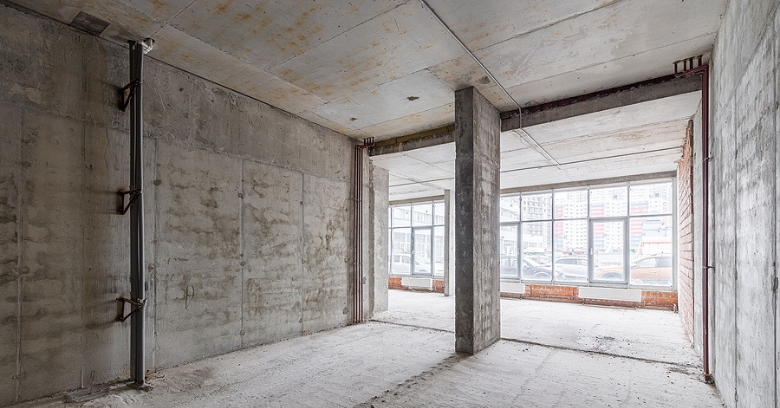
Getting ready to start Church Remodeling Contractors in College Station Texas?
Good Company Construction handles the building side of a commercial update so the owner can stay focused on the business throughout College Station Texas building owners.
Ring 979-401-2527 to explain the timeline you are working against.
A Commercial Remodel Starts With How the Space Is Used
A manager or board member researching Church Remodeling Contractors in College Station Texas tend to discover that the building is only half the question. A clinic cannot lose its waiting room for a month, a showroom cannot hide its displays, and a school wing cannot lose its classrooms mid-term, and a good remodel plan is written around those facts.
Good Company Construction begins Church Remodeling Contractors with questions about the operation, because the answers decide the sequence of the whole job.
How Phasing Protects a Business During the Work
In a building that cannot close, the work moves through the building in stages. Containment and clear wayfinding keep the building usable, and a separate entrance for workers and materials keeps the front door clear.
Noisy or disruptive steps are often pushed to evenings and weekends. The loudest, dustiest, or most intrusive steps belong to the part of the schedule that has the fewest people around.
The Code Questions That Apply to Public Buildings
Spaces where customers, clients, or members come and go answer to codes that cover ramps, restrooms, door widths, alarms, and exit paths. A remodel can trigger a closer look at those items, so it pays to learn the local requirements before the drawings are final.
How a space is used decides which requirements apply. Meeting halls, clinics, classroom wings, and warehouse showrooms are treated differently by the codes that govern them. Rules differ from city to city and county to county across the state, so the safe approach is to ask rather than assume.
Mechanical and Electrical Needs Change With the Floor Plan
When the floor plan changes, the loads on the systems change with it. Heat from equipment and people through a long hot summer puts real stress on cooling, so the remodel plan should confirm what the systems can carry before the new layout is final. Cabling for networks and audio systems is far easier to install during construction than after.
Opening the Walls: Surprises and How They Are Handled
Interiors that have been remodeled more than once before tends to reveal its history when demolition starts. Structural members cut for earlier equipment, and slabs with sleeves nobody remembers should be anticipated in the schedule and discussed with the owner in advance.
With buildings from certain eras, the first priority is a proper assessment, not guesswork. The requirements are specific and are followed to the letter, and it is better to know early than to be surprised.
Layout, Acoustics, and Finishes in a Working Interior
Floors, walls, and doors in a public space see steady traffic. Durable floor coverings, washable paints, and hardware that holds up are worth more attention than they get in a quick plan.
Noise and lighting levels affect comfort more than most people realize. Where a space needs quiet, walls and ceilings are built to keep sound in its place, and the lighting layout is easiest to settle before the ceiling is closed.
Remodeling a Place of Worship or Meeting Hall
A room that hosts large groups is built around sightlines, sound, and safe movement. Aisles, exits, platforms, and the way people enter and leave the room all depend on one another. Wide spans and high walls change how the work is staged, so schedules for these rooms need extra planning.
The Public Side of a Commercial Remodel
For many commercial owners and for most organizations that welcome the public, the storefront or entrance sets the tone before anyone steps inside. Parking surfaces, walkways, landscaping edges, and the entrance doors are all part of the same conversation. Weather in the state is hard on exposed materials calls for materials chosen to hold up to sun and moisture.
Water Management on a Commercial Property
Many commercial buildings have roofs that barely slope, so proper drainage and sealed penetrations are the main defense against leaks. Sudden storms and long periods of strong sun age roofing materials faster than many owners expect, and a remodel is a sensible time to look at the roof and drainage while the building is already open.
Parking lots and entrances take a beating and affect how the building works. Ponding at the entrance, settling near the building, and slopes that send water toward the doors affect how visitors reach the door and how water leaves the property.
Setting Expectations Before the Work Begins
Good communication is half of getting through an occupied remodel. A brief weekly summary shared with staff, tenants, or the congregation lets people adapt before they are inconvenienced. A short chain of communication between the decision maker and the project lead can prevent mixed messages.
Planning Around the Rhythm of the Business Year
Businesses and congregations run on calendars that the construction schedule has to respect. Stores want to be finished before the holiday rush, congregations before the major services of the year, and offices before a lease or a move, and the owner should say early which dates matter most. Roofing, paving, painting, and other outdoor tasks cannot proceed in a heavy storm, so the plan remains realistic when the forecast changes.
Landlords, Boards, and Committees: Getting Sign-Off
Commercial projects often involve more than one decision maker, and the approvals do not always arrive in the order the schedule needs. Owners of leased buildings often have rules about what tenants can alter, and a committee often has to sign off on design decisions. Sorting out who approves what at the start keeps the schedule realistic.
Commercial punch lists are longer than residential ones. Signs, lighting, door closers, restroom fixtures, and safety devices are confirmed to be working, and that final stage is where a well-run project shows its quality.
Finishing the Work and Handing the Space Back
As the last of the work finishes and the trades begin to clear out, the final inspection from the local authority confirms the work meets code. A last look at every room happens before the handover, and touch-ups are written down and completed.
For a commercial space in College Station Texas that needs Church Remodeling Contractors , Good Company Construction is ready to discuss how the work could be phased around daily use. Dial 979-401-2527 to begin sorting out the phases.
Verified

Verified
Verified
Verified
Verified