
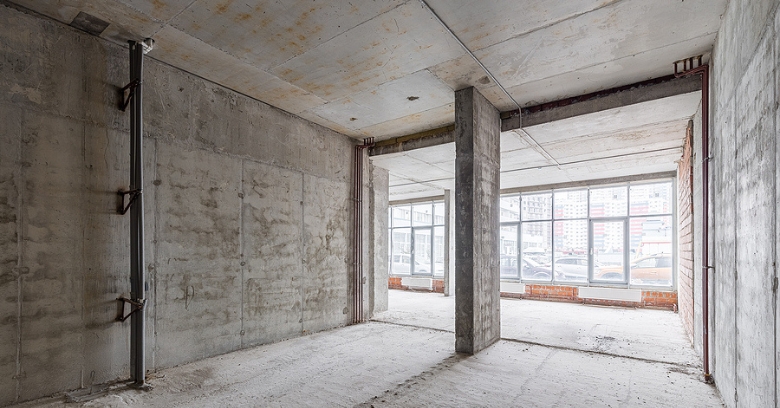
Planning Commercial Building Makeover Service in College Station Texas?
Good Company Construction reworks existing commercial buildings with the schedule, the access, and the code questions in mind around College Station Texas tenants.
Reach out at 979-401-2527 to describe the space you want changed.
Design Follows Function in a Working Building
Anyone weighing Commercial Building Makeover Service in College Station Texas for a business or a congregation tend to discover that the building is only half the question. A business loses momentum when its space is out of service, and a congregation loses its rhythm without its building, and the contractor should ask about them before drawing a line.
On Commercial Building Makeover Service, Good Company Construction asks what has to stay open, what can close, and how much time is available, because the construction sequence follows from them.
Working in an Occupied Building: Phasing and Access
If the doors have to stay open during the work, the contractor splits the job into zones and finishes one before opening the next. Signs, detours, and protected routes help people reach what they came for, and a separate entrance for workers and materials keeps the front door clear.
Work that affects power, water, or access is often scheduled for off hours. Shutting down power to a panel, cutting into a slab, or refinishing a floor are usually pushed to nights, weekends, or planned closures.
The Code Questions That Apply to Public Buildings
Commercial buildings that serve the public have to work for every visitor and be safe in an emergency. A remodel can trigger a closer look at those items, so it pays to learn the local requirements before the drawings are final.
The way a building is classified also shapes the rules. Meeting halls, clinics, classroom wings, and warehouse showrooms have different rules for occupancy and egress. What one town asks for may differ from the next town over, which makes it wise to confirm the local process before design is finished.
Planning Utilities Before Drawing the New Layout
Rearranging a space rearranges its utility needs. More people in a space means more heat, more power, and more demand on ventilation, so the remodel plan should confirm what the systems can carry before the new layout is final. Phone, network, and security wiring are easiest to run while walls are open.
What Demolition Turns Up in an Existing Building
A commercial property with a long history tends to reveal its history when demolition starts. Plumbing that no longer serves anything, wiring that nobody can trace, and framing changed for an earlier layout should be anticipated in the schedule and discussed with the owner in advance.
When the age of a building raises questions about its materials, the sensible step is to find out before demolition starts. Rules for handling and disposal come from state and federal authorities, and it is better to know early than to be surprised.
How the Inside of a Commercial Space Comes Together
High-traffic buildings put real demands on every finish. Durable floor coverings, washable paints, and hardware that holds up should be chosen with maintenance in mind.
Sound and light shape how a room feels. A ceiling treatment or a change in wall material can calm a noisy room, and the lighting layout is easiest to settle before the ceiling is closed.
Large Gathering Rooms Raise Special Questions
Every kind of assembly space needs to seat many people comfortably. Seating arrangements, aisle widths, and the paths to the exits all depend on one another. Work at height needs planning, equipment, and time, so schedules for these rooms need extra planning.
First Impressions Are Part of the Project
When the building is part of the brand, how the front of the building looks is part of how the organization is judged. Parking surfaces, walkways, landscaping edges, and the entrance doors work together as a single design. Finishes exposed to strong UV and heavy rain depends on careful flashing, sealants, and coatings.
Roofs, Drainage, and Parking: The Parts Nobody Sees Until They Fail
Low-slope roofs and flat roofs are the norm on shops and offices, so drains, flashing, and rooftop equipment curbs matter a great deal. Heavy downpours, summer heat, and strong sun put the membrane and the seams under stress across the state, and a remodel is a sensible time to look at the roof and drainage while the building is already open.
Pavement and drainage on the property deserve a look as well. Ponding at the entrance, settling near the building, and slopes that send water toward the doors affect how visitors reach the door and how water leaves the property.
Setting Expectations Before the Work Begins
People handle disruption well when they know when, where, and how long. A short schedule posted at the entrance, a note about which doors are in use, and a heads-up before noisy work keeps the project from feeling like something that is happening to people. A short chain of communication between the decision maker and the project lead can save time for everybody.
Planning Around the Rhythm of the Business Year
Commercial buildings do not all slow down at the same time of year. Events, deadlines, and inspections all place dates on the calendar that cannot move, and the work is organized so the important dates are protected. Roofing, paving, painting, and other outdoor tasks cannot proceed in a heavy storm, so a little extra time is built in for the days that cannot be worked.
Landlords, Boards, and Committees: Getting Sign-Off
Commercial projects often involve more than one decision maker, and the approvals do not always arrive in the order the schedule needs. Property managers may have standards for contractors and materials, and a congregation may need a vote or a building committee to approve the plan. Making a list of every required sign-off saves a good deal of time later.
The final stage of a commercial project has its own checklist. The systems that protect people in an emergency are checked before anyone is allowed back in, and any open items are listed with dates for completion.
Moving From Final Inspection to Reopening
Once the new space is ready, the local office looks over the completed project. Everyone responsible for the space goes over the finished work together, and any remaining items go on a short list to be completed before the project is closed.
For Commercial Building Makeover Service in College Station Texas, Good Company Construction can begin with a conversation about the operation, the building, and the timeline. Phone 979-401-2527 to set up the first conversation.
Verified

Verified
Verified
Verified