
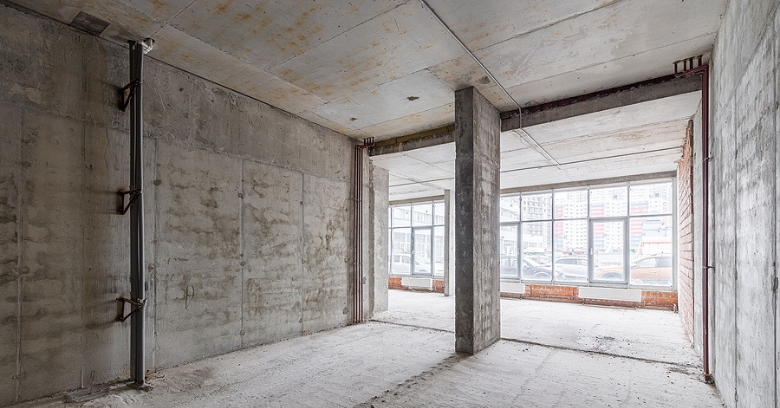
Weighing Commercial Building Remodel Companies in College Station Texas?
Good Company Construction renovates offices, shops, and gathering spaces while the people who use them keep working in College Station Texas building owners.
Phone 979-401-2527 to ask how a commercial project like yours would be phased.
The Business Comes First, Then the Building
A manager or board member researching Commercial Building Remodel Companies in College Station Texas come to see that the work has to fit the way people use the space. A business loses momentum when its space is out of service, and a congregation loses its rhythm without its building, and the contractor should ask about them before drawing a line.
On Commercial Building Remodel Companies, Good Company Construction asks what has to stay open, what can close, and how much time is available, because the construction sequence follows from them.
How Phasing Protects a Business During the Work
For projects in occupied spaces, the project is broken into sections that can be sealed off. Sealed partitions and covered floors keep dust and debris where they belong, and the loading route is planned so it does not cross the main entrance.
Certain tasks are ideally done after closing. Cutting concrete, running a loud saw, or taking the water off for a connection belong to the part of the schedule that has the fewest people around.
Life Safety Is Part of Every Commercial Update
Any building open to visitors answer to codes that cover ramps, restrooms, door widths, alarms, and exit paths. The scope of the work often decides how much of the building has to be looked at again, so those questions belong in the first meeting and not the last.
The way a building is classified also shapes the rules. Sanctuaries, restaurant dining rooms, open offices, and retail floors do not all carry the same requirements. Local authorities in the state interpret and apply these standards in their own way, so the safe approach is to ask rather than assume.
Does the Building Have Enough Power and Cooling for the New Layout?
A commercial update often asks more from the systems than the original design did. More people in a space means more heat, more power, and more demand on ventilation, so the existing equipment is evaluated while the plan can still change. Low-voltage systems should be laid out at the same time as the walls.
Hidden Conditions in Aging Commercial Space
A commercial property with a long history can hide old repairs, abandoned lines, and altered framing. Ceiling spaces crowded with old ductwork, wiring from past tenants, and pipes that run in unexpected directions should be anticipated in the schedule and discussed with the owner in advance.
With buildings from certain eras, the right move is to have the material identified and handled properly before it is disturbed. There are formal procedures for anything that needs special treatment, and the owner should hear about it before the work, not during it.
Interior Build-Out: Walls, Ceilings, Floors, and Light
Floors, walls, and doors in a public space see steady traffic. Durable floor coverings, washable paints, and hardware that holds up are worth more attention than they get in a quick plan.
Two things people notice right away are the sound of a room and the quality of its light. A ceiling treatment or a change in wall material can calm a noisy room, and good lighting design layers general light, task light, and accents.
Large Gathering Rooms Raise Special Questions
Every kind of assembly space has to work for both large and small crowds. Seating arrangements, aisle widths, and the paths to the exits have to be considered together when the room is changed. Work at height needs planning, equipment, and time, so schedules for these rooms need extra planning.
The Public Side of a Commercial Remodel
On properties that serve the public, the entrance is the first thing a visitor sees. The entrance, the lighting at night, the signage, and the surrounding walkways should be planned as a unit. Weather in the state is hard on exposed materials calls for materials chosen to hold up to sun and moisture.
Roofs, Drainage, and Parking: The Parts Nobody Sees Until They Fail
A typical commercial roof is built to hold water back and then shed it slowly, so the roof needs to be checked whenever the interior below is being changed. Heavy downpours, summer heat, and strong sun put the membrane and the seams under stress across the state, and a remodel is a sensible time to look at the roof and drainage while the building is already open.
Site surfaces and grading often get overlooked. Water that stands after a rain and ground that has moved with the clay are common on older commercial sites and are easiest to deal with while contractors are already mobilized.
Telling Staff, Customers, and Members What to Expect
People handle disruption well when they know when, where, and how long. An update on what is closed this week, what opens next, and what to expect after hours helps everyone plan around the work. A named contact for the owner and a named contact for the builder can keep small issues from becoming big ones.
Seasons, Events, and Busy Periods Shape the Schedule
Every kind of building has a busy season and a quiet one. Events, deadlines, and inspections all place dates on the calendar that cannot move, and the work is organized so the important dates are protected. In much of the state, hot afternoons and storm seasons limit what can be done outside, so the finish date is set with weather in mind.
Decision Makers Who Shape a Commercial Project
Commercial projects often involve more than one decision maker, and the approvals do not always arrive in the order the schedule needs. Property managers may have standards for contractors and materials, and a committee often has to sign off on design decisions. Sorting out who approves what at the start keeps the schedule realistic.
The final stage of a commercial project has its own checklist. Emergency lighting, exit signs, door hardware, alarms, and accessible features are tested, and any open items are listed with dates for completion.
Moving From Final Inspection to Reopening
At the end of the project, the local office looks over the completed project. Everyone responsible for the space goes over the finished work together, and any remaining items go on a short list to be completed before the project is closed.
For Commercial Building Remodel Companies in College Station Texas, Good Company Construction can begin with a conversation about the operation, the building, and the timeline. Phone 979-401-2527 to talk through the details.
Verified

Verified
Verified
Verified