
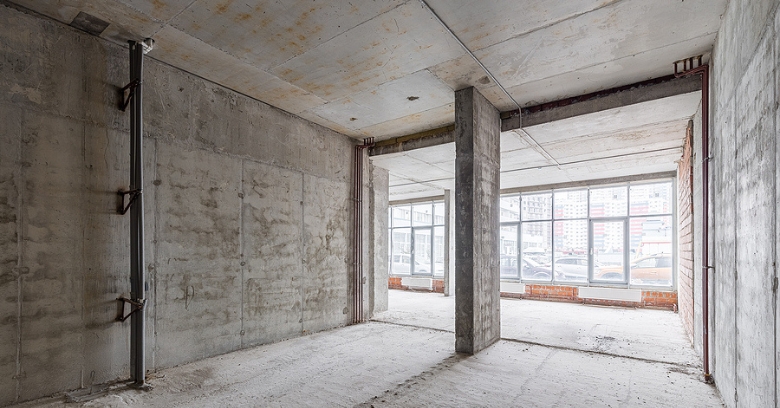
Comparing options for Commercial Building Remodeling in College Station Texas?
Good Company Construction reworks existing commercial buildings with the schedule, the access, and the code questions in mind for College Station Texas businesses.
Dial 979-401-2527 to talk through what the building has to keep doing during the work.
Before Anything Is Torn Out, Understand the Operation
Tenants and landlords comparing Commercial Building Remodeling in College Station Texas tend to discover that the building is only half the question. Retail wants foot traffic, an office wants quiet, and a place of worship wants a sanctuary ready every weekend, and a good remodel plan is written around those facts.
Good Company Construction approaches Commercial Building Remodeling by asking how the space is used, and when, because the construction sequence follows from them.
Work Zones, Barriers, and Detours in a Live Building
For projects in occupied spaces, the contractor splits the job into zones and finishes one before opening the next. Signs, detours, and protected routes help people reach what they came for, and a separate entrance for workers and materials keeps the front door clear.
Work that affects power, water, or access is often scheduled for off hours. The loudest, dustiest, or most intrusive steps are put on the calendar well ahead so the owner can plan around them.
The Code Questions That Apply to Public Buildings
Spaces where customers, clients, or members come and go come with requirements that cover accessible routes, fire separation, and the number and width of exits. A remodel can trigger a closer look at those items, so a careful builder checks with the local authority early.
Occupancy type matters too. An assembly space, a business office, a food service area, and a sales floor each fall under their own set of expectations. Each jurisdiction sets its own process for plan checks and inspection, so the safe approach is to ask rather than assume.
Systems Behind the Walls Set the Limits of a Remodel
When the floor plan changes, the loads on the systems change with it. Added equipment, new lighting, and denser seating all push on capacity, so capacity is checked early rather than discovered halfway through. Phone, network, and security wiring are easiest to run while walls are open.
Existing Conditions Shape the Scope More Than the Drawings Do
A commercial property with a long history often holds conditions nobody drew on a plan. Walls that were moved, floors that were patched, and openings that were closed in without much record are all things a careful contractor expects and plans a little room for.
With buildings from certain eras, the first priority is a proper assessment, not guesswork. The requirements are specific and are followed to the letter, and it is better to know early than to be surprised.
Interior Build-Out: Walls, Ceilings, Floors, and Light
A space used by many people every day needs tougher surfaces. Flooring that resists scuffs, wall surfaces that clean easily, and doors and hardware built for heavy use deserve a close look before anything is ordered.
Two things people notice right away are the sound of a room and the quality of its light. Careful choices about ceiling height, materials, and partitions control how voices carry, and lighting plans balance daylight, general illumination, and focused task light.
Planning for Seating, Sound, and Sightlines
A hall used for worship, for events, or for the community needs to seat many people comfortably. Seating arrangements, aisle widths, and the paths to the exits have to be considered together when the room is changed. Wide spans and high walls change how the work is staged, which is why a good plan for an assembly space is started well ahead of the work.
Exterior Updates That Change How a Building Is Seen
For many commercial owners and for most organizations that welcome the public, the storefront or entrance sets the tone before anyone steps inside. Exterior paint, trim, glazing, and the entry doors are easier to handle when considered together. Surfaces facing summer heat and wind-driven rain depends on careful flashing, sealants, and coatings.
Why the Exterior Shell Belongs in the Remodel Conversation
A typical commercial roof is built to hold water back and then shed it slowly, so ponding water and failed seams are the usual causes of trouble. Sudden storms and long periods of strong sun age roofing materials faster than many owners expect, and the interior plan should never ignore what is happening overhead.
Parking areas and walkways are part of the same picture. Cracked pavement, low spots, and drains that no longer carry water away affect how visitors reach the door and how water leaves the property.
Notices, Schedules, and a Single Point of Contact
Surprises are the hardest part of living through construction. Clear information about parking, entrances, and restroom access cuts down on questions and complaints. A named contact for the owner and a named contact for the builder can save time for everybody.
Planning Around the Rhythm of the Business Year
Every kind of building has a busy season and a quiet one. Events, deadlines, and inspections all place dates on the calendar that cannot move, and the work is organized so the important dates are protected. In much of the state, hot afternoons and storm seasons limit what can be done outside, so indoor tasks are held in reserve for bad-weather days.
Approvals Beyond the Building Office
Several parties may need to approve a remodel before it starts. A tenant may need the landlord's approval for changes to walls, systems, or the exterior, and a congregation may need a vote or a building committee to approve the plan. Sorting out who approves what at the start keeps a commercial project from stalling at the last minute.
The final stage of a commercial project has its own checklist. Mechanical, electrical, and life-safety equipment are tested together with the finished spaces, and a careful hand-off makes the first weeks in the renovated space far smoother.
Wrapping Up a Commercial Remodel
As the last trade leaves, the local office looks over the completed project. The owner or committee goes through the space with the contractor, and small corrections are listed and handled.
When Commercial Building Remodeling is on the calendar in College Station Texas, Good Company Construction is a sensible place to start a conversation about the project. Reach us at 979-401-2527 to describe your building and your plans.
Verified

Verified
Verified
Verified