
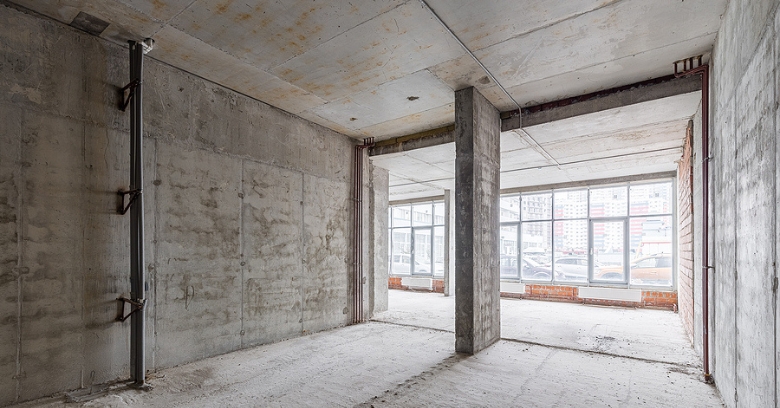
Comparing options for Commercial Building Reno Companies in College Station Texas?
Good Company Construction handles the building side of a commercial update so the owner can stay focused on the business for College Station Texas congregations.
Call 979-401-2527 to ask how a commercial project like yours would be phased.
The Business Comes First, Then the Building
Owners who look into Commercial Building Reno Companies in College Station Texas tend to discover that the building is only half the question. Retail wants foot traffic, an office wants quiet, and a place of worship wants a sanctuary ready every weekend, and the contractor should ask about them before drawing a line.
On Commercial Building Reno Companies, Good Company Construction asks what has to stay open, what can close, and how much time is available, because they decide where the work zones go.
How Phasing Protects a Business During the Work
For projects in occupied spaces, the work moves through the building in stages. Barriers, floor protection, and clearly marked paths separate visitors from the work zone, and a separate entrance for workers and materials keeps the front door clear.
A few steps cannot be done around people. Tasks with dust, fumes, or utility shutoffs are usually pushed to nights, weekends, or planned closures.
Life Safety Is Part of Every Commercial Update
Any building open to visitors come with requirements that cover accessible routes, fire separation, and the number and width of exits. A remodel can trigger a closer look at those items, so the plan has to account for the rules from the beginning.
A change in use is its own question. Meeting halls, clinics, classroom wings, and warehouse showrooms each fall under their own set of expectations. Each jurisdiction sets its own process for plan checks and inspection, which is another reason to talk to the local office early.
Planning Utilities Before Drawing the New Layout
Rearranging a space rearranges its utility needs. Added equipment, new lighting, and denser seating all push on capacity, so capacity is checked early rather than discovered halfway through. Pathways for low-voltage cabling belong in the drawings from the start.
Hidden Conditions in Aging Commercial Space
A building that has served several tenants or decades of use tends to reveal its history when demolition starts. Older finishes and materials from another era, which may need testing before they are disturbed are found often enough that the plan should allow time for them.
With buildings from certain eras, the right move is to have the material identified and handled properly before it is disturbed. Rules for handling and disposal come from state and federal authorities, and the schedule is adjusted when it applies.
Layout, Acoustics, and Finishes in a Working Interior
A business interior is expected to look good under constant use. Surfaces that handle foot traffic, carts, chairs, and cleaning make a bigger difference to a commercial space than most owners expect.
Acoustics and lighting do a lot of the work in a finished space. Open offices, dining rooms, and sanctuaries all have their own sound problems, and each has its own fixes, and the lighting layout is easiest to settle before the ceiling is closed.
Updating a Room Built to Hold a Crowd
A hall used for worship, for events, or for the community has to work for both large and small crowds. Sight lines to the front, the sound system, and the lighting cannot be treated as separate decisions. Wide spans and high walls change how the work is staged, so the schedule has to include those added steps.
Exterior Updates That Change How a Building Is Seen
For a business that depends on walk-in traffic, the entrance is the first thing a visitor sees. Doors, windows, canopies, and exterior finishes should be planned as a unit. Finishes exposed to strong UV and heavy rain depends on careful flashing, sealants, and coatings.
Roofs, Drainage, and Parking: The Parts Nobody Sees Until They Fail
Commercial roofs are usually flat or low-slope, so the details around drains, edges, and equipment decide whether it stays dry. Storms in the state can deliver a large amount of rain in a short time, and drains have to keep up, and a remodel is a sensible time to look at the roof and drainage while the building is already open.
Pavement and drainage on the property deserve a look as well. Cracked pavement, low spots, and drains that no longer carry water away are common on older commercial sites and are easiest to deal with while contractors are already mobilized.
Notices, Schedules, and a Single Point of Contact
Most complaints during a project come from people who were not told. Written notices, clear signs, and a calendar of upcoming phases lets people adapt before they are inconvenienced. One person who answers questions for the building and one who answers for the work can keep small issues from becoming big ones.
Choosing the Right Weeks for the Work
Commercial buildings do not all slow down at the same time of year. Restaurants often choose the slowest weeks, while offices may prefer weekends or evenings, and the plan should start from the dates the owner cannot change. Roofing, paving, painting, and other outdoor tasks cannot proceed in a heavy storm, so a little extra time is built in for the days that cannot be worked.
Decision Makers Who Shape a Commercial Project
Different people hold different pieces of the approval. Property managers may have standards for contractors and materials, and a committee often has to sign off on design decisions. Agreeing on the approval path before work begins saves a good deal of time later.
Before the doors reopen, a commercial space is checked from end to end. Signs, lighting, door closers, restroom fixtures, and safety devices are confirmed to be working, and a careful hand-off makes the first weeks in the renovated space far smoother.
Finishing the Work and Handing the Space Back
As the last of the work finishes and the trades begin to clear out, the local office looks over the completed project. The contractor and the owner walk each area, and a punch list is cleared before the job is considered done.
When Commercial Building Reno Companies is on the calendar in College Station Texas, Good Company Construction can explain how a project like yours would be staged and scheduled. Reach us at 979-401-2527 to set up the first conversation.
Verified

Verified
Verified
Verified