
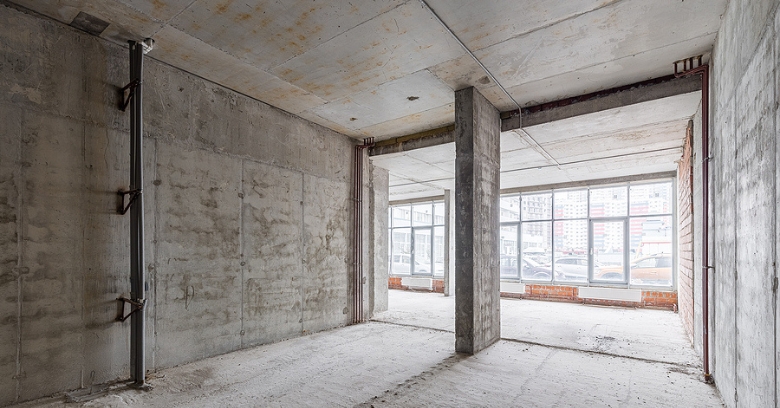
Planning Commercial Building Renos in College Station Texas?
Good Company Construction plans commercial renovations around the way the business or congregation actually operates across College Station Texas tenants.
Reach out at 979-401-2527 to ask how a commercial project like yours would be phased.
A Commercial Remodel Starts With How the Space Is Used
A manager or board member researching Commercial Building Renos in College Station Texas come to see that the work has to fit the way people use the space. Shops need to stay open, offices need to keep their people productive, and meeting halls need to host their events, and the schedule is only realistic if it respects them.
Good Company Construction approaches Commercial Building Renos by asking how the space is used, and when, because they decide whether work happens by day, at night, or in short phases.
Staying Open Through a Renovation
If the doors have to stay open during the work, the work moves through the building in stages. Sealed partitions and covered floors keep dust and debris where they belong, and worker access stays out of the public eye.
Noisy or disruptive steps are often pushed to evenings and weekends. Tying into plumbing, switching over electrical service, or applying coatings that smell and need to cure are timed to cause the smallest interruption.
Why Commercial Remodels Raise More Rules Than Homes Do
Commercial buildings that serve the public come with requirements that cover accessible routes, fire separation, and the number and width of exits. Altering a floor plan can bring the building under closer scrutiny, so a careful builder checks with the local authority early.
How a space is used decides which requirements apply. Conference suites, church fellowship halls, salons, and storefronts each fall under their own set of expectations. Rules differ from city to city and county to county across the state, which makes it wise to confirm the local process before design is finished.
Electrical, Cooling, and Data Capacity in an Older Building
Moving walls and equipment shifts the demands on the building systems. More people in a space means more heat, more power, and more demand on ventilation, so the remodel plan should confirm what the systems can carry before the new layout is final. Low-voltage systems should be laid out at the same time as the walls.
Hidden Conditions in Aging Commercial Space
A building that has served several tenants or decades of use tends to reveal its history when demolition starts. Ceiling spaces crowded with old ductwork, wiring from past tenants, and pipes that run in unexpected directions should be anticipated in the schedule and discussed with the owner in advance.
When the age of a building raises questions about its materials, testing comes first and demolition second. The proper process is set by regulation, not by the contractor's preference, and a good builder is clear with the owner about how that part of the job works.
Interior Build-Out: Walls, Ceilings, Floors, and Light
Commercial interiors take more wear than most homes do. Finishes selected for hard wear, easy maintenance, and a clean look deserve a close look before anything is ordered.
Acoustics and lighting do a lot of the work in a finished space. Where a space needs quiet, walls and ceilings are built to keep sound in its place, and lighting plans balance daylight, general illumination, and focused task light.
Large Gathering Rooms Raise Special Questions
A sanctuary, fellowship hall, or large meeting room needs to seat many people comfortably. The sound system, the lighting, and the layout of seating and aisles are tied to each other, so changing one affects the rest. Work at height needs planning, equipment, and time, so the early conversation matters even more.
The Public Side of a Commercial Remodel
For congregations and organizations that welcome visitors, how the front of the building looks is part of how the organization is judged. Entry doors, glass, awnings, lighting, and signs are easier to handle when considered together. Exterior work in the weather of the region needs details that shed water and resist fading.
Why the Exterior Shell Belongs in the Remodel Conversation
Commercial roofs are usually flat or low-slope, so ponding water and failed seams are the usual causes of trouble. Intense heat expands and contracts the roof surface every day, and the seams take the strain, and a remodel is a sensible time to look at the roof and drainage while the building is already open.
The ground around the building matters for water management. Water that stands after a rain and ground that has moved with the clay affect how visitors reach the door and how water leaves the property.
Notices, Schedules, and a Single Point of Contact
A remodel is much easier on everyone when people know what is coming. An update on what is closed this week, what opens next, and what to expect after hours lets people adapt before they are inconvenienced. One person on the owner side and one on the contractor side can keep decisions moving.
When to Schedule Construction in a Working Building
Every kind of building has a busy season and a quiet one. Seasonal businesses plan the work for their off season, and year-round businesses plan it in phases, and the plan should start from the dates the owner cannot change. Exterior work depends on the weather as well, so the plan remains realistic when the forecast changes.
Landlords, Boards, and Committees: Getting Sign-Off
Commercial projects often involve more than one decision maker, and the approvals do not always arrive in the order the schedule needs. Property managers may have standards for contractors and materials, and a congregation may need a vote or a building committee to approve the plan. Sorting out who approves what at the start helps everyone understand the timeline.
Commercial punch lists are longer than residential ones. Emergency lighting, exit signs, door hardware, alarms, and accessible features are tested, and that final stage is where a well-run project shows its quality.
Closing Out a Commercial Project
At the end of the project, the final inspection from the local authority confirms the work meets code. A final walk-through with the owner, the manager, or the building committee follows once the space has been cleaned, and a punch list is cleared before the job is considered done.
For Commercial Building Renos in College Station Texas, Good Company Construction is a sensible place to start a conversation about the project. Get in touch at 979-401-2527 to talk through the details.
Verified

Verified
Verified
Verified