
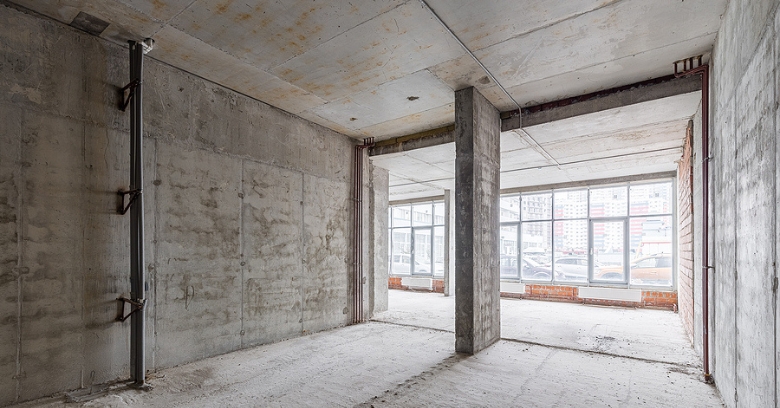
Weighing Commercial Redesigns in College Station Texas?
Good Company Construction reworks existing commercial buildings with the schedule, the access, and the code questions in mind for College Station Texas organizations.
Phone 979-401-2527 to explain the timeline you are working against.
Every Commercial Update Begins With a Question About Daily Use
Decision makers who begin with Commercial Redesigns in College Station Texas tend to discover that the building is only half the question. Shops need to stay open, offices need to keep their people productive, and meeting halls need to host their events, and a good remodel plan is written around those facts.
With Commercial Redesigns, Good Company Construction starts by learning the daily and weekly rhythm of the building, because the plan has to protect the people who use the building.
Working in an Occupied Building: Phasing and Access
If the doors have to stay open during the work, the work moves through the building in stages. Temporary walls, dust barriers, and protected walkways keep the public away from the work, and the loading route is planned so it does not cross the main entrance.
Certain tasks are ideally done after closing. Cutting concrete, running a loud saw, or taking the water off for a connection are timed to cause the smallest interruption.
What Changes in the Rules When a Building Serves the Public
Commercial buildings that serve the public come with requirements that cover accessible routes, fire separation, and the number and width of exits. Changing a space may mean bringing related features up to current standards, so the early planning should ask what the local office will expect.
What the building is used for sets the baseline. Conference suites, church fellowship halls, salons, and storefronts do not all carry the same requirements. What one town asks for may differ from the next town over, which makes it wise to confirm the local process before design is finished.
Electrical, Cooling, and Data Capacity in an Older Building
When the floor plan changes, the loads on the systems change with it. Heat from equipment and people through a long hot summer puts real stress on cooling, so the remodel plan should confirm what the systems can carry before the new layout is final. Phone, network, and security wiring are easiest to run while walls are open.
What Demolition Turns Up in an Existing Building
A structure whose records are incomplete tends to reveal its history when demolition starts. Older finishes and materials from another era, which may need testing before they are disturbed belong on the list of reasonable possibilities before the first wall comes down.
With buildings from certain eras, testing comes first and demolition second. There are formal procedures for anything that needs special treatment, and an honest conversation at the start avoids confusion later.
How the Inside of a Commercial Space Comes Together
High-traffic buildings put real demands on every finish. Surfaces that handle foot traffic, carts, chairs, and cleaning deserve a close look before anything is ordered.
How a space sounds and how it is lit matter as much as how it looks. Open offices, dining rooms, and sanctuaries all have their own sound problems, and each has its own fixes, and the lighting layout is easiest to settle before the ceiling is closed.
Remodeling a Place of Worship or Meeting Hall
Every kind of assembly space has to do several things at once. The sound system, the lighting, and the layout of seating and aisles all depend on one another. Wide spans and high walls change how the work is staged, so it helps to choose a builder who has handled large rooms before.
Storefronts, Entrances, and the Face of the Building
On properties that serve the public, the exterior is as important as the interior. Doors, windows, canopies, and exterior finishes work together as a single design. Weather in the state is hard on exposed materials is wisely specified with durable materials and good drainage in mind.
Roofs, Drainage, and Parking: The Parts Nobody Sees Until They Fail
Low-slope roofs and flat roofs are the norm on shops and offices, so the roof needs to be checked whenever the interior below is being changed. Heavy downpours, summer heat, and strong sun put the membrane and the seams under stress across the state, and the interior plan should never ignore what is happening overhead.
The ground around the building matters for water management. Uneven walkways, worn striping, and drainage that has silted up affect how visitors reach the door and how water leaves the property.
Communication During a Project in a Working Building
People handle disruption well when they know when, where, and how long. A brief weekly summary shared with staff, tenants, or the congregation cuts down on questions and complaints. A single point of contact on each side can make it easy to resolve problems the day they appear.
Choosing the Right Weeks for the Work
Every kind of building has a busy season and a quiet one. Events, deadlines, and inspections all place dates on the calendar that cannot move, and the owner should say early which dates matter most. Roofing, paving, painting, and other outdoor tasks cannot proceed in a heavy storm, so a little extra time is built in for the days that cannot be worked.
Approvals Beyond the Building Office
Different people hold different pieces of the approval. The lease usually spells out which changes need approval and from whom, and a congregation may need a vote or a building committee to approve the plan. Making a list of every required sign-off spares the project from late surprises.
The final stage of a commercial project has its own checklist. Mechanical, electrical, and life-safety equipment are tested together with the finished spaces, and the owner should expect a walk-through of every area, not just the finished showpiece rooms.
Moving From Final Inspection to Reopening
When construction wraps up, the city or county signs off on the completed work. Everyone responsible for the space goes over the finished work together, and a punch list is cleared before the job is considered done.
When Commercial Redesigns is on the calendar in College Station Texas, Good Company Construction is a sensible place to start a conversation about the project. Get in touch at 979-401-2527 to describe your building and your plans.
Verified

Verified
Verified
Verified