
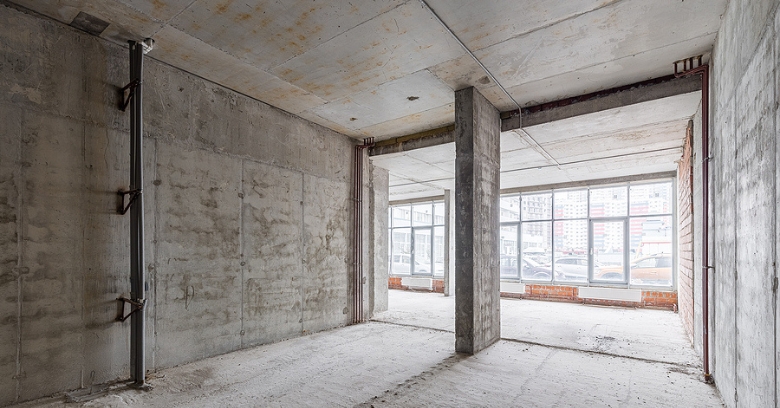
Need Commercial Remodel Services in College Station Texas?
Good Company Construction reworks existing commercial buildings with the schedule, the access, and the code questions in mind throughout College Station Texas organizations.
Reach out at 979-401-2527 to start with how your business uses the space today.
A Commercial Remodel Starts With How the Space Is Used
A manager or board member researching Commercial Remodel Services in College Station Texas come to see that the work has to fit the way people use the space. A restaurant has to serve customers, an office has to answer phones, and a church has to hold services, and a good remodel plan is written around those facts.
Good Company Construction begins Commercial Remodel Services with questions about the operation, because they decide where the work zones go.
Keeping the Doors Open While Construction Goes On
If the doors have to stay open during the work, the work moves through the building in stages. Sealed partitions and covered floors keep dust and debris where they belong, and worker access stays out of the public eye.
Work that affects power, water, or access is often scheduled for off hours. Shutting down power to a panel, cutting into a slab, or refinishing a floor are the kind of tasks planned for hours when the space is quiet.
Accessibility, Fire Safety, and Egress Come With the Territory
Spaces where customers, clients, or members come and go have to meet standards for access by people with disabilities, for fire safety, and for getting everyone out in an emergency. Changing a space may mean bringing related features up to current standards, so those questions belong in the first meeting and not the last.
The way a building is classified also shapes the rules. Conference suites, church fellowship halls, salons, and storefronts sit in different categories for fire and safety planning. What one town asks for may differ from the next town over, and why assumptions based on another town can be wrong.
Planning Utilities Before Drawing the New Layout
A commercial update often asks more from the systems than the original design did. Extra computers, kitchen equipment, lighting, and cooling load can outgrow an old electrical panel, so the existing equipment is evaluated while the plan can still change. Data cabling, security, and audio-visual needs deserve a place in the plan as well.
Opening the Walls: Surprises and How They Are Handled
A commercial property with a long history tends to reveal its history when demolition starts. Older finishes and materials from another era, which may need testing before they are disturbed should be anticipated in the schedule and discussed with the owner in advance.
Where older materials are involved, the sensible step is to find out before demolition starts. There are formal procedures for anything that needs special treatment, and the schedule is adjusted when it applies.
Making Interior Space Fit the People Who Use It
Commercial interiors take more wear than most homes do. Materials chosen for how they age under daily use are often the difference between a space that ages well and one that looks tired quickly.
Sound and light shape how a room feels. Where a space needs quiet, walls and ceilings are built to keep sound in its place, and layered lighting makes a space more comfortable to work or gather in.
Sanctuaries and Assembly Spaces Have Their Own Needs
Every kind of assembly space is built around sightlines, sound, and safe movement. Seating arrangements, aisle widths, and the paths to the exits cannot be treated as separate decisions. Wide spans and high walls change how the work is staged, so the schedule has to include those added steps.
Storefronts, Entrances, and the Face of the Building
For a business that depends on walk-in traffic, the storefront or entrance sets the tone before anyone steps inside. Exterior paint, trim, glazing, and the entry doors add up to the impression the building makes. Finishes exposed to strong UV and heavy rain is wisely specified with durable materials and good drainage in mind.
Roofs, Drainage, and Parking: The Parts Nobody Sees Until They Fail
Low-slope roofs and flat roofs are the norm on shops and offices, so ponding water and failed seams are the usual causes of trouble. Sudden storms and long periods of strong sun age roofing materials faster than many owners expect, and it is better to find a leak path before the new ceiling goes up.
Site surfaces and grading often get overlooked. Entrances that collect water and surfaces that have shifted with the soil are common on older commercial sites and are easiest to deal with while contractors are already mobilized.
Notices, Schedules, and a Single Point of Contact
A remodel is much easier on everyone when people know what is coming. A brief weekly summary shared with staff, tenants, or the congregation keeps the project from feeling like something that is happening to people. A short chain of communication between the decision maker and the project lead can prevent mixed messages.
Planning Around the Rhythm of the Business Year
The ideal window for construction is rarely the one that is convenient for the builder. Events, deadlines, and inspections all place dates on the calendar that cannot move, and the owner should say early which dates matter most. In much of the state, hot afternoons and storm seasons limit what can be done outside, so outdoor phases are scheduled with some flexibility.
Decision Makers Who Shape a Commercial Project
A leased space adds a landlord to the list of people who must agree. Lease terms can limit the work or require specific approvals, and a committee often has to sign off on design decisions. Getting these approvals lined up early keeps the schedule realistic.
Closing out a commercial job involves more than a final sweep. Operating manuals, keys, and records are handed to the owner as the work is completed, and any open items are listed with dates for completion.
Closing Out a Commercial Project
When construction wraps up, the local building office performs its final inspection. A final walk-through with the owner, the manager, or the building committee follows once the space has been cleaned, and touch-ups are written down and completed.
For owners and managers in College Station Texas planning Commercial Remodel Services, Good Company Construction welcomes a first conversation about what the space has to do. Call 979-401-2527 to set up the first conversation.
Verified

Verified
Verified
Verified