
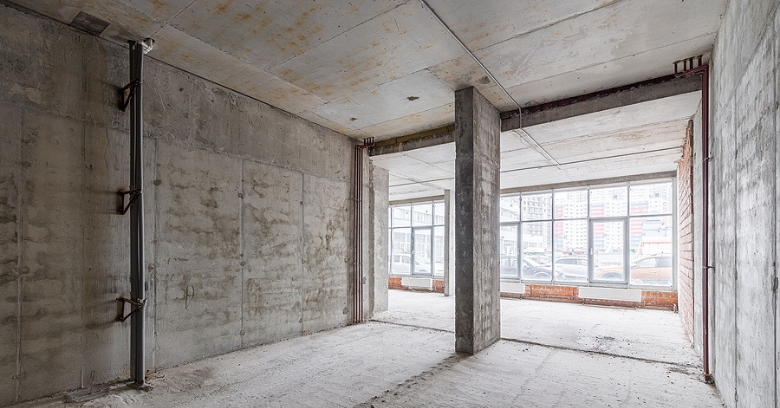
Comparing options for Commercial Remodeling Companies in College Station Texas?
Good Company Construction renovates offices, shops, and gathering spaces while the people who use them keep working across College Station Texas building owners.
Reach out at 979-401-2527 to talk through what the building has to keep doing during the work.
Every Commercial Update Begins With a Question About Daily Use
A manager or board member researching Commercial Remodeling Companies in College Station Texas usually find the operation matters as much as the construction. Shops need to stay open, offices need to keep their people productive, and meeting halls need to host their events, and each of them changes how the work is staged.
Good Company Construction approaches Commercial Remodeling Companies by asking how the space is used, and when, because the construction sequence follows from them.
Staying Open Through a Renovation
When a building has to stay in use, the work is divided into phases that isolate one area at a time. Temporary walls, dust barriers, and protected walkways keep the public away from the work, and deliveries and tradespeople use a path that avoids customers.
Certain tasks are ideally done after closing. Tasks with dust, fumes, or utility shutoffs are put on the calendar well ahead so the owner can plan around them.
Accessibility, Fire Safety, and Egress Come With the Territory
Rooms used by large numbers of people come with requirements that cover accessible routes, fire separation, and the number and width of exits. Altering a floor plan can bring the building under closer scrutiny, so a careful builder checks with the local authority early.
Occupancy type matters too. An assembly space, a business office, a food service area, and a sales floor do not all carry the same requirements. What one town asks for may differ from the next town over, which makes it wise to confirm the local process before design is finished.
Does the Building Have Enough Power and Cooling for the New Layout?
When the floor plan changes, the loads on the systems change with it. Modern equipment and a fuller floor can strain a panel that was installed long ago, so capacity is checked early rather than discovered halfway through. Data cabling, security, and audio-visual needs deserve a place in the plan as well.
Opening the Walls: Surprises and How They Are Handled
A commercial property with a long history can hide old repairs, abandoned lines, and altered framing. Plumbing that no longer serves anything, wiring that nobody can trace, and framing changed for an earlier layout belong on the list of reasonable possibilities before the first wall comes down.
Whenever the condition of old finishes is uncertain, the sensible step is to find out before demolition starts. There are formal procedures for anything that needs special treatment, and the owner should hear about it before the work, not during it.
Making Interior Space Fit the People Who Use It
Floors, walls, and doors in a public space see steady traffic. Materials chosen for how they age under daily use make a bigger difference to a commercial space than most owners expect.
Two things people notice right away are the sound of a room and the quality of its light. Open offices, dining rooms, and sanctuaries all have their own sound problems, and each has its own fixes, and layered lighting makes a space more comfortable to work or gather in.
Large Gathering Rooms Raise Special Questions
A room that hosts large groups is built around sightlines, sound, and safe movement. Aisles, exits, platforms, and the way people enter and leave the room are tied to each other, so changing one affects the rest. Tall rooms bring structural, mechanical, and access questions, so the schedule has to include those added steps.
Signs, Doors, and Curb Appeal for Business Properties
For many commercial owners and for most organizations that welcome the public, the street-facing side carries a lot of weight. The entrance, the lighting at night, the signage, and the surrounding walkways are easier to handle when considered together. Exterior work in the weather of the region calls for materials chosen to hold up to sun and moisture.
Why the Exterior Shell Belongs in the Remodel Conversation
Commercial roofs are usually flat or low-slope, so proper drainage and sealed penetrations are the main defense against leaks. Heavy downpours, summer heat, and strong sun put the membrane and the seams under stress across the state, and the interior plan should never ignore what is happening overhead.
Parking lots and entrances take a beating and affect how the building works. Entrances that collect water and surfaces that have shifted with the soil are worth a look because they affect how the building holds up.
Communication During a Project in a Working Building
People handle disruption well when they know when, where, and how long. A short schedule posted at the entrance, a note about which doors are in use, and a heads-up before noisy work goes a long way toward keeping goodwill intact. One person on the owner side and one on the contractor side can keep small issues from becoming big ones.
Seasons, Events, and Busy Periods Shape the Schedule
Businesses and congregations run on calendars that the construction schedule has to respect. Seasonal businesses plan the work for their off season, and year-round businesses plan it in phases, and the work is organized so the important dates are protected. Sudden storms, strong wind, and extreme summer heat can interrupt outdoor work for days at a time, so indoor tasks are held in reserve for bad-weather days.
Owners, Tenants, and Approvals
Commercial projects often involve more than one decision maker, and the approvals do not always arrive in the order the schedule needs. Property managers may have standards for contractors and materials, and an organization may need several meetings before a plan is settled. Making a list of every required sign-off keeps a commercial project from stalling at the last minute.
A last round of checks matters more when the public will walk through the door. Mechanical, electrical, and life-safety equipment are tested together with the finished spaces, and a careful hand-off makes the first weeks in the renovated space far smoother.
Wrapping Up a Commercial Remodel
As the last trade leaves, an inspector checks the finished building. Everyone responsible for the space goes over the finished work together, and open items are resolved before the space is turned back over.
For a commercial space in College Station Texas that needs Commercial Remodeling Companies, Good Company Construction is ready to discuss how the work could be phased around daily use. Reach us at 979-401-2527 to begin sorting out the phases.
Verified

Verified
Verified
Verified
Verified