
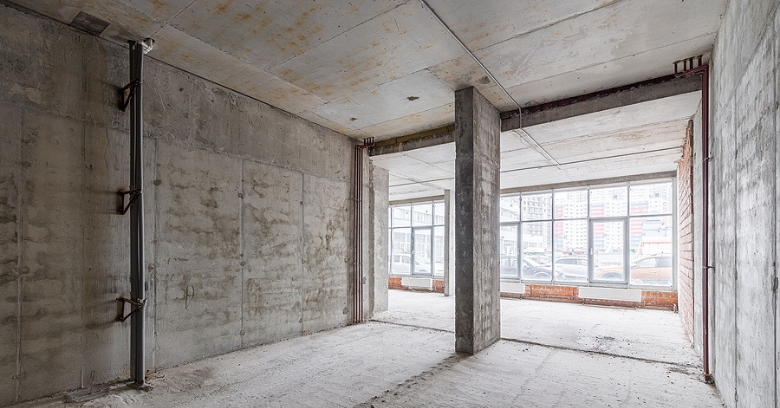
Planning Commercial Reno Contractors in College Station Texas?
Good Company Construction renovates offices, shops, and gathering spaces while the people who use them keep working across College Station Texas building owners.
Dial 979-401-2527 to describe the space you want changed.
Every Commercial Update Begins With a Question About Daily Use
Owners who look into Commercial Reno Contractors in College Station Texas find that the hardest part is keeping the place working while it changes. Shops need to stay open, offices need to keep their people productive, and meeting halls need to host their events, and the construction plan has to start from those limits.
With Commercial Reno Contractors, Good Company Construction starts by learning the daily and weekly rhythm of the building, because the answers decide the sequence of the whole job.
Work Zones, Barriers, and Detours in a Live Building
If the doors have to stay open during the work, the project is broken into sections that can be sealed off. Sealed partitions and covered floors keep dust and debris where they belong, and the loading route is planned so it does not cross the main entrance.
A few steps cannot be done around people. Shutting down power to a panel, cutting into a slab, or refinishing a floor are usually pushed to nights, weekends, or planned closures.
Life Safety Is Part of Every Commercial Update
Any building open to visitors are held to rules on accessibility, fire protection, and safe exits that a house does not face. Changing a space may mean bringing related features up to current standards, so the plan has to account for the rules from the beginning.
The way a building is classified also shapes the rules. Sanctuaries, restaurant dining rooms, open offices, and retail floors have different rules for occupancy and egress. Rules differ from city to city and county to county across the state, and why assumptions based on another town can be wrong.
Does the Building Have Enough Power and Cooling for the New Layout?
Rearranging a space rearranges its utility needs. Modern equipment and a fuller floor can strain a panel that was installed long ago, so the existing equipment is evaluated while the plan can still change. Pathways for low-voltage cabling belong in the drawings from the start.
Older Commercial Buildings Hide Things Behind the Walls
A building that has served several tenants or decades of use is rarely exactly what the old drawings show. Ceiling spaces crowded with old ductwork, wiring from past tenants, and pipes that run in unexpected directions should be anticipated in the schedule and discussed with the owner in advance.
If testing suggests that something needs special handling, testing comes first and demolition second. There are formal procedures for anything that needs special treatment, and a good builder is clear with the owner about how that part of the job works.
Making Interior Space Fit the People Who Use It
High-traffic buildings put real demands on every finish. Materials chosen for how they age under daily use deserve a close look before anything is ordered.
Noise and lighting levels affect comfort more than most people realize. A ceiling treatment or a change in wall material can calm a noisy room, and the lighting layout is easiest to settle before the ceiling is closed.
Updating a Room Built to Hold a Crowd
A hall used for worship, for events, or for the community has to work for both large and small crowds. Aisles, exits, platforms, and the way people enter and leave the room have to be considered together when the room is changed. Work at height needs planning, equipment, and time, which is why a good plan for an assembly space is started well ahead of the work.
Signs, Doors, and Curb Appeal for Business Properties
When the building is part of the brand, the storefront or entrance sets the tone before anyone steps inside. The entrance, the lighting at night, the signage, and the surrounding walkways add up to the impression the building makes. Finishes exposed to strong UV and heavy rain rewards careful detailing at every joint.
Why the Exterior Shell Belongs in the Remodel Conversation
A typical commercial roof is built to hold water back and then shed it slowly, so proper drainage and sealed penetrations are the main defense against leaks. Storms in the state can deliver a large amount of rain in a short time, and drains have to keep up, and the interior plan should never ignore what is happening overhead.
Pavement and drainage on the property deserve a look as well. Cracked pavement, low spots, and drains that no longer carry water away affect how visitors reach the door and how water leaves the property.
Notices, Schedules, and a Single Point of Contact
A remodel is much easier on everyone when people know what is coming. A brief weekly summary shared with staff, tenants, or the congregation helps everyone plan around the work. One person on the owner side and one on the contractor side can prevent mixed messages.
Planning Around the Rhythm of the Business Year
Businesses and congregations run on calendars that the construction schedule has to respect. Classrooms and meeting rooms are easiest to work on when they are empty, such as during breaks and summer, and a good contractor builds the schedule backward from those dates. Sudden storms, strong wind, and extreme summer heat can interrupt outdoor work for days at a time, so the plan remains realistic when the forecast changes.
Approvals Beyond the Building Office
Several parties may need to approve a remodel before it starts. A tenant may need the landlord's approval for changes to walls, systems, or the exterior, and a congregation may need a vote or a building committee to approve the plan. Making a list of every required sign-off saves a good deal of time later.
Closing out a commercial job involves more than a final sweep. The systems that protect people in an emergency are checked before anyone is allowed back in, and the owner should expect a walk-through of every area, not just the finished showpiece rooms.
Closing Out a Commercial Project
Once the new space is ready, the local office looks over the completed project. A final walk-through with the owner, the manager, or the building committee follows once the space has been cleaned, and small corrections are listed and handled.
For a commercial space in College Station Texas that needs Commercial Reno Contractors, Good Company Construction is ready to discuss how the work could be phased around daily use. Reach us at 979-401-2527 to set up the first conversation.
Verified

Verified
Verified
Verified
Verified