
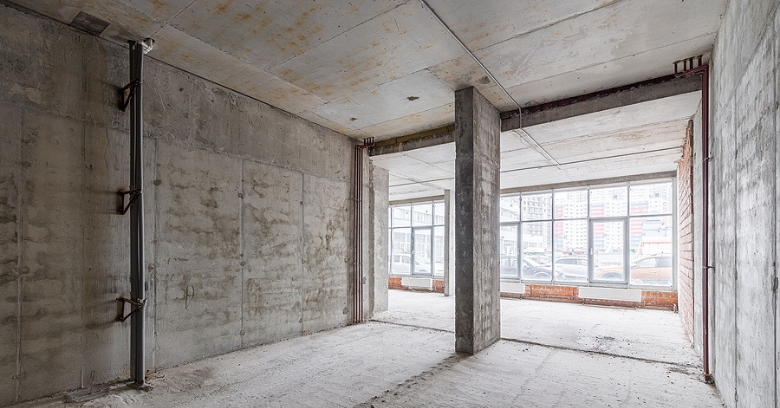
Weighing Commercial Renos in College Station Texas?
Good Company Construction handles the building side of a commercial update so the owner can stay focused on the business across College Station Texas businesses.
Reach out at 979-401-2527 to ask how a commercial project like yours would be phased.
Design Follows Function in a Working Building
Owners who look into Commercial Renos in College Station Texas usually find the operation matters as much as the construction. Shops need to stay open, offices need to keep their people productive, and meeting halls need to host their events, and the schedule is only realistic if it respects them.
Good Company Construction approaches Commercial Renos by asking how the space is used, and when, because the answers decide the sequence of the whole job.
Working in an Occupied Building: Phasing and Access
In a building that cannot close, the work moves through the building in stages. Barriers, floor protection, and clearly marked paths separate visitors from the work zone, and worker access stays out of the public eye.
Some of the work simply has to be done when the building is empty. The loudest, dustiest, or most intrusive steps are put on the calendar well ahead so the owner can plan around them.
Accessibility, Fire Safety, and Egress Come With the Territory
Commercial buildings that serve the public are held to rules on accessibility, fire protection, and safe exits that a house does not face. Altering a floor plan can bring the building under closer scrutiny, so it pays to learn the local requirements before the drawings are final.
What the building is used for sets the baseline. Conference suites, church fellowship halls, salons, and storefronts have different rules for occupancy and egress. Local authorities in the state interpret and apply these standards in their own way, and why assumptions based on another town can be wrong.
Mechanical and Electrical Needs Change With the Floor Plan
When the floor plan changes, the loads on the systems change with it. Heat from equipment and people through a long hot summer puts real stress on cooling, so the existing equipment is evaluated while the plan can still change. Cabling for networks and audio systems is far easier to install during construction than after.
Older Commercial Buildings Hide Things Behind the Walls
A commercial property with a long history usually has a few secrets above the ceiling and inside the walls. Older finishes and materials from another era, which may need testing before they are disturbed are found often enough that the plan should allow time for them.
If testing suggests that something needs special handling, testing comes first and demolition second. Rules for handling and disposal come from state and federal authorities, and an honest conversation at the start avoids confusion later.
Choosing Finishes for a Space That Gets Heavy Use
A business interior is expected to look good under constant use. Materials chosen for how they age under daily use deserve a close look before anything is ordered.
Acoustics and lighting do a lot of the work in a finished space. Careful choices about ceiling height, materials, and partitions control how voices carry, and good lighting design layers general light, task light, and accents.
Sanctuaries and Assembly Spaces Have Their Own Needs
A sanctuary, fellowship hall, or large meeting room is built around sightlines, sound, and safe movement. The sound system, the lighting, and the layout of seating and aisles cannot be treated as separate decisions. Wide spans and high walls change how the work is staged, so it helps to choose a builder who has handled large rooms before.
Exterior Updates That Change How a Building Is Seen
For many commercial owners and for most organizations that welcome the public, the entrance is the first thing a visitor sees. Doors, windows, canopies, and exterior finishes add up to the impression the building makes. Surfaces facing summer heat and wind-driven rain depends on careful flashing, sealants, and coatings.
Why the Exterior Shell Belongs in the Remodel Conversation
Commercial roofs are usually flat or low-slope, so ponding water and failed seams are the usual causes of trouble. Sudden storms and long periods of strong sun age roofing materials faster than many owners expect, and the interior plan should never ignore what is happening overhead.
Site surfaces and grading often get overlooked. Ponding at the entrance, settling near the building, and slopes that send water toward the doors can create safety and access problems that a remodel is a good chance to correct.
Telling Staff, Customers, and Members What to Expect
Good communication is half of getting through an occupied remodel. Written notices, clear signs, and a calendar of upcoming phases keeps the project from feeling like something that is happening to people. A named contact for the owner and a named contact for the builder can keep small issues from becoming big ones.
Choosing the Right Weeks for the Work
Commercial buildings do not all slow down at the same time of year. Events, deadlines, and inspections all place dates on the calendar that cannot move, and the plan should start from the dates the owner cannot change. In much of the state, hot afternoons and storm seasons limit what can be done outside, so indoor tasks are held in reserve for bad-weather days.
Approvals Beyond the Building Office
A leased space adds a landlord to the list of people who must agree. A tenant may need the landlord's approval for changes to walls, systems, or the exterior, and an organization may need several meetings before a plan is settled. Agreeing on the approval path before work begins spares the project from late surprises.
Closing out a commercial job involves more than a final sweep. Operating manuals, keys, and records are handed to the owner as the work is completed, and that final stage is where a well-run project shows its quality.
The Last Steps Before the Doors Reopen
As the last trade leaves, the local office looks over the completed project. Everyone responsible for the space goes over the finished work together, and open items are resolved before the space is turned back over.
For a commercial space in College Station Texas that needs Commercial Renos, Good Company Construction can explain how a project like yours would be staged and scheduled. Phone 979-401-2527 to describe your building and your plans.
Verified

Verified
Verified
Verified
Verified