
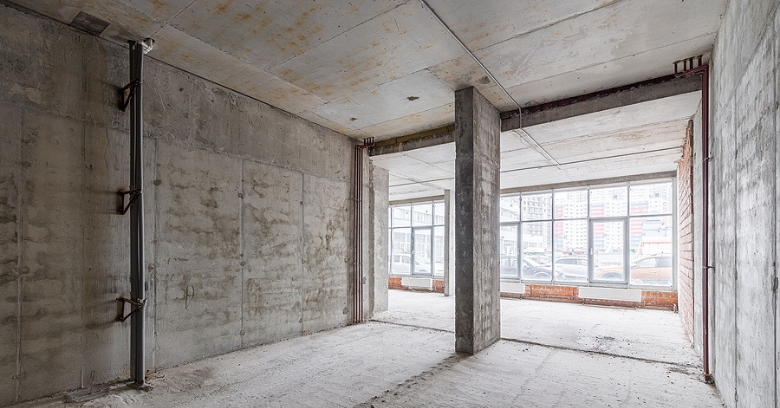
Getting ready to start Commercial Renovation Services in College Station Texas?
Good Company Construction plans commercial renovations around the way the business or congregation actually operates for College Station Texas tenants.
Reach out at 979-401-2527 to ask how a commercial project like yours would be phased.
The Business Comes First, Then the Building
A manager or board member researching Commercial Renovation Services in College Station Texas come to see that the work has to fit the way people use the space. Shops need to stay open, offices need to keep their people productive, and meeting halls need to host their events, and the contractor should ask about them before drawing a line.
Good Company Construction treats Commercial Renovation Services as a scheduling puzzle before it is a construction project, because they decide where the work zones go.
Working in an Occupied Building: Phasing and Access
When customers, staff, or worshippers keep coming in, the project is broken into sections that can be sealed off. Containment and clear wayfinding keep the building usable, and deliveries and tradespeople use a path that avoids customers.
Some of the work simply has to be done when the building is empty. Tying into plumbing, switching over electrical service, or applying coatings that smell and need to cure belong to the part of the schedule that has the fewest people around.
Accessibility, Fire Safety, and Egress Come With the Territory
Spaces where customers, clients, or members come and go have to meet standards for access by people with disabilities, for fire safety, and for getting everyone out in an emergency. Altering a floor plan can bring the building under closer scrutiny, so the early planning should ask what the local office will expect.
The way a building is classified also shapes the rules. Conference suites, church fellowship halls, salons, and storefronts sit in different categories for fire and safety planning. Each jurisdiction sets its own process for plan checks and inspection, which makes it wise to confirm the local process before design is finished.
Planning Utilities Before Drawing the New Layout
A commercial update often asks more from the systems than the original design did. Added equipment, new lighting, and denser seating all push on capacity, so upgrades can be planned instead of improvised. Low-voltage systems should be laid out at the same time as the walls.
Older Commercial Buildings Hide Things Behind the Walls
A building that has served several tenants or decades of use is rarely exactly what the old drawings show. Plumbing that no longer serves anything, wiring that nobody can trace, and framing changed for an earlier layout are all things a careful contractor expects and plans a little room for.
When the age of a building raises questions about its materials, the work should pause until the question is answered. Specialists handle these items under formal rules, and the owner should hear about it before the work, not during it.
Layout, Acoustics, and Finishes in a Working Interior
A business interior is expected to look good under constant use. Flooring that resists scuffs, wall surfaces that clean easily, and doors and hardware built for heavy use are worth more attention than they get in a quick plan.
How a space sounds and how it is lit matter as much as how it looks. Where a space needs quiet, walls and ceilings are built to keep sound in its place, and lighting plans balance daylight, general illumination, and focused task light.
Sanctuaries and Assembly Spaces Have Their Own Needs
Every kind of assembly space serves a purpose that most other rooms do not. Sight lines to the front, the sound system, and the lighting cannot be treated as separate decisions. Tall rooms bring structural, mechanical, and access questions, so the early conversation matters even more.
Exterior Updates That Change How a Building Is Seen
On properties that serve the public, the street-facing side carries a lot of weight. Exterior paint, trim, glazing, and the entry doors work together as a single design. Weather in the state is hard on exposed materials depends on careful flashing, sealants, and coatings.
Why the Exterior Shell Belongs in the Remodel Conversation
Commercial roofs are usually flat or low-slope, so the details around drains, edges, and equipment decide whether it stays dry. Sudden storms and long periods of strong sun age roofing materials faster than many owners expect, and work that adds equipment on the roof should be coordinated with whoever maintains it.
Parking lots and entrances take a beating and affect how the building works. Water that stands after a rain and ground that has moved with the clay affect how visitors reach the door and how water leaves the property.
Communication During a Project in a Working Building
A remodel is much easier on everyone when people know what is coming. Written notices, clear signs, and a calendar of upcoming phases lets people adapt before they are inconvenienced. One person on the owner side and one on the contractor side can save time for everybody.
Timing a Commercial Project Around the Calendar
Every kind of building has a busy season and a quiet one. Restaurants often choose the slowest weeks, while offices may prefer weekends or evenings, and a good contractor builds the schedule backward from those dates. Sudden storms, strong wind, and extreme summer heat can interrupt outdoor work for days at a time, so the plan remains realistic when the forecast changes.
Approvals Beyond the Building Office
Commercial projects often involve more than one decision maker, and the approvals do not always arrive in the order the schedule needs. The lease usually spells out which changes need approval and from whom, and a congregation may need a vote or a building committee to approve the plan. Identifying the decision makers before the drawings are final keeps the schedule realistic.
Commercial punch lists are longer than residential ones. Mechanical, electrical, and life-safety equipment are tested together with the finished spaces, and the people who will use the space deserve to know how it works.
Wrapping Up a Commercial Remodel
As the last trade leaves, the final inspection from the local authority confirms the work meets code. A last look at every room happens before the handover, and touch-ups are written down and completed.
If your organization in College Station Texas is ready to talk about Commercial Renovation Services, Good Company Construction can explain how a project like yours would be staged and scheduled. Dial 979-401-2527 to begin sorting out the phases.
Verified

Verified
Verified
Verified
Verified