
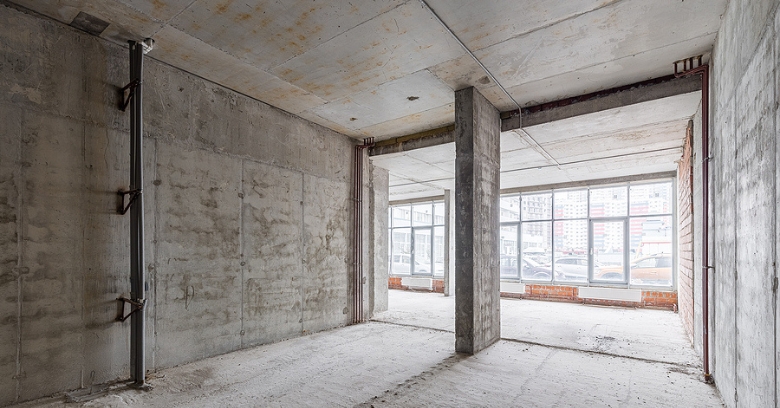
Weighing Office Space Remodeling Companies in College Station Texas?
Good Company Construction plans commercial renovations around the way the business or congregation actually operates in College Station Texas tenants.
Call 979-401-2527 to explain the timeline you are working against.
The Business Comes First, Then the Building
Tenants and landlords comparing Office Space Remodeling Companies in College Station Texas soon learn the project is shaped by what happens inside the walls every day. A clinic cannot lose its waiting room for a month, a showroom cannot hide its displays, and a school wing cannot lose its classrooms mid-term, and the construction plan has to start from those limits.
Good Company Construction treats Office Space Remodeling Companies as a scheduling puzzle before it is a construction project, because the answers decide the sequence of the whole job.
Working in an Occupied Building: Phasing and Access
When customers, staff, or worshippers keep coming in, the work is divided into phases that isolate one area at a time. Containment and clear wayfinding keep the building usable, and the loading route is planned so it does not cross the main entrance.
A few steps cannot be done around people. Shutting down power to a panel, cutting into a slab, or refinishing a floor are timed to cause the smallest interruption.
The Code Questions That Apply to Public Buildings
Commercial buildings that serve the public answer to codes that cover ramps, restrooms, door widths, alarms, and exit paths. Changing a space may mean bringing related features up to current standards, so those questions belong in the first meeting and not the last.
How a space is used decides which requirements apply. Conference suites, church fellowship halls, salons, and storefronts sit in different categories for fire and safety planning. Plan-check practices vary from one jurisdiction to another, and why assumptions based on another town can be wrong.
Systems Behind the Walls Set the Limits of a Remodel
Moving walls and equipment shifts the demands on the building systems. Added equipment, new lighting, and denser seating all push on capacity, so the existing equipment is evaluated while the plan can still change. Data cabling, security, and audio-visual needs deserve a place in the plan as well.
Older Commercial Buildings Hide Things Behind the Walls
A building that has served several tenants or decades of use usually has a few secrets above the ceiling and inside the walls. Older finishes and materials from another era, which may need testing before they are disturbed should be anticipated in the schedule and discussed with the owner in advance.
When the age of a building raises questions about its materials, the first priority is a proper assessment, not guesswork. The proper process is set by regulation, not by the contractor's preference, and an honest conversation at the start avoids confusion later.
How the Inside of a Commercial Space Comes Together
Floors, walls, and doors in a public space see steady traffic. Surfaces that handle foot traffic, carts, chairs, and cleaning are worth more attention than they get in a quick plan.
Acoustics and lighting do a lot of the work in a finished space. A ceiling treatment or a change in wall material can calm a noisy room, and good lighting design layers general light, task light, and accents.
Planning for Seating, Sound, and Sightlines
Any space designed to hold a gathering is built around sightlines, sound, and safe movement. Aisles, exits, platforms, and the way people enter and leave the room have to be considered together when the room is changed. Work at height needs planning, equipment, and time, which is why a good plan for an assembly space is started well ahead of the work.
Exterior Updates That Change How a Building Is Seen
For a business that depends on walk-in traffic, the street-facing side carries a lot of weight. Parking surfaces, walkways, landscaping edges, and the entrance doors are easier to handle when considered together. Exterior work in the weather of the region rewards careful detailing at every joint.
Water Management on a Commercial Property
A typical commercial roof is built to hold water back and then shed it slowly, so ponding water and failed seams are the usual causes of trouble. Storms in the state can deliver a large amount of rain in a short time, and drains have to keep up, and a remodel is a sensible time to look at the roof and drainage while the building is already open.
Site surfaces and grading often get overlooked. Cracked pavement, low spots, and drains that no longer carry water away are common on older commercial sites and are easiest to deal with while contractors are already mobilized.
Setting Expectations Before the Work Begins
A remodel is much easier on everyone when people know what is coming. A brief weekly summary shared with staff, tenants, or the congregation keeps the project from feeling like something that is happening to people. A short chain of communication between the decision maker and the project lead can make it easy to resolve problems the day they appear.
Seasons, Events, and Busy Periods Shape the Schedule
A retail space, a school wing, and a sanctuary all have different peak times. Restaurants often choose the slowest weeks, while offices may prefer weekends or evenings, and the owner should say early which dates matter most. Roofing, paving, painting, and other outdoor tasks cannot proceed in a heavy storm, so indoor tasks are held in reserve for bad-weather days.
Approvals Beyond the Building Office
Different people hold different pieces of the approval. Property managers may have standards for contractors and materials, and a decision made by one person may not be final. Getting these approvals lined up early spares the project from late surprises.
Closing out a commercial job involves more than a final sweep. Operating manuals, keys, and records are handed to the owner as the work is completed, and any open items are listed with dates for completion.
The Last Steps Before the Doors Reopen
Once the new space is ready, the local office looks over the completed project. A final walk-through with the owner, the manager, or the building committee follows once the space has been cleaned, and a punch list is cleared before the job is considered done.
For owners and managers in College Station Texas planning Office Space Remodeling Companies, Good Company Construction is a sensible place to start a conversation about the project. Call 979-401-2527 to share what the space needs to do.
Verified

Verified
Verified
Verified