
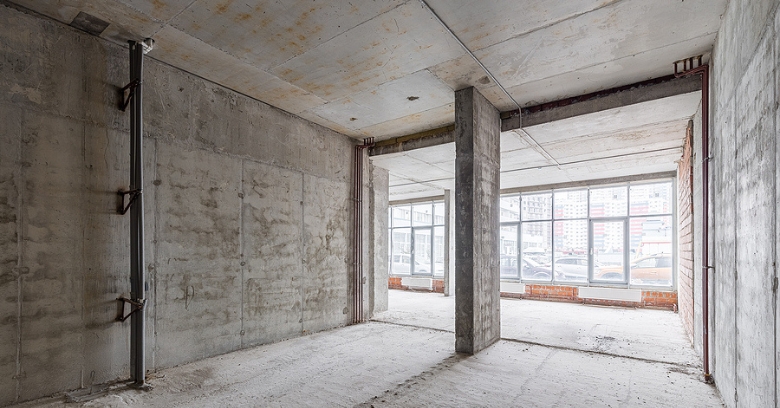
Weighing Office Space Renovations in College Station Texas?
Good Company Construction takes on interior and exterior updates for buildings that serve the public in College Station Texas businesses.
Call 979-401-2527 to ask how a commercial project like yours would be phased.
Design Follows Function in a Working Building
Tenants and landlords comparing Office Space Renovations in College Station Texas usually find the operation matters as much as the construction. A clinic cannot lose its waiting room for a month, a showroom cannot hide its displays, and a school wing cannot lose its classrooms mid-term, and the construction plan has to start from those limits.
Good Company Construction approaches Office Space Renovations by asking how the space is used, and when, because the plan has to protect the people who use the building.
Staying Open Through a Renovation
When a building has to stay in use, the work is divided into phases that isolate one area at a time. Containment and clear wayfinding keep the building usable, and the loading route is planned so it does not cross the main entrance.
Noisy or disruptive steps are often pushed to evenings and weekends. Cutting concrete, running a loud saw, or taking the water off for a connection are the kind of tasks planned for hours when the space is quiet.
Life Safety Is Part of Every Commercial Update
Commercial buildings that serve the public have to meet standards for access by people with disabilities, for fire safety, and for getting everyone out in an emergency. A remodel can trigger a closer look at those items, so it pays to learn the local requirements before the drawings are final.
What the building is used for sets the baseline. Meeting halls, clinics, classroom wings, and warehouse showrooms each fall under their own set of expectations. Plan-check practices vary from one jurisdiction to another, which is why the plan should be checked against local requirements.
Planning Utilities Before Drawing the New Layout
When the floor plan changes, the loads on the systems change with it. More people in a space means more heat, more power, and more demand on ventilation, so the remodel plan should confirm what the systems can carry before the new layout is final. Low-voltage systems should be laid out at the same time as the walls.
Opening the Walls: Surprises and How They Are Handled
A building that has changed hands and purposes over time is rarely exactly what the old drawings show. Structural members cut for earlier equipment, and slabs with sleeves nobody remembers are far easier to handle when they were mentioned at the start.
Where older materials are involved, the right move is to have the material identified and handled properly before it is disturbed. Rules for handling and disposal come from state and federal authorities, and a good builder is clear with the owner about how that part of the job works.
Interior Build-Out: Walls, Ceilings, Floors, and Light
A space used by many people every day needs tougher surfaces. Finishes selected for hard wear, easy maintenance, and a clean look are worth more attention than they get in a quick plan.
Two things people notice right away are the sound of a room and the quality of its light. Open offices, dining rooms, and sanctuaries all have their own sound problems, and each has its own fixes, and lighting plans balance daylight, general illumination, and focused task light.
Remodeling a Place of Worship or Meeting Hall
Every kind of assembly space is built around sightlines, sound, and safe movement. The number of people the room holds, how they move, and how quickly they can leave are part of a single plan. Work at height needs planning, equipment, and time, which is why a good plan for an assembly space is started well ahead of the work.
Signs, Doors, and Curb Appeal for Business Properties
When the building is part of the brand, the storefront or entrance sets the tone before anyone steps inside. Entry doors, glass, awnings, lighting, and signs work together as a single design. Exterior work in the weather of the region needs details that shed water and resist fading.
Beyond the Interior: Roofs, Pavement, and Drainage
Many commercial buildings have roofs that barely slope, so ponding water and failed seams are the usual causes of trouble. Storms in the state can deliver a large amount of rain in a short time, and drains have to keep up, and work that adds equipment on the roof should be coordinated with whoever maintains it.
Parking areas and walkways are part of the same picture. Ponding at the entrance, settling near the building, and slopes that send water toward the doors belong on the list of things to look at when the building gets an update.
How to Keep Everyone Informed While Construction Is Under Way
People handle disruption well when they know when, where, and how long. An update on what is closed this week, what opens next, and what to expect after hours keeps the project from feeling like something that is happening to people. A single point of contact on each side can save time for everybody.
When to Schedule Construction in a Working Building
Businesses and congregations run on calendars that the construction schedule has to respect. Stores want to be finished before the holiday rush, congregations before the major services of the year, and offices before a lease or a move, and the owner should say early which dates matter most. In much of the state, hot afternoons and storm seasons limit what can be done outside, so a little extra time is built in for the days that cannot be worked.
Landlords, Boards, and Committees: Getting Sign-Off
Several parties may need to approve a remodel before it starts. Lease terms can limit the work or require specific approvals, and an organization may need several meetings before a plan is settled. Agreeing on the approval path before work begins helps everyone understand the timeline.
Closing out a commercial job involves more than a final sweep. Signs, lighting, door closers, restroom fixtures, and safety devices are confirmed to be working, and the people who will use the space deserve to know how it works.
Closing Out a Commercial Project
As the last of the work finishes and the trades begin to clear out, the local office looks over the completed project. A final walk-through with the owner, the manager, or the building committee follows once the space has been cleaned, and a punch list is cleared before the job is considered done.
If your organization in College Station Texas is ready to talk about Office Space Renovations, Good Company Construction is a sensible place to start a conversation about the project. Get in touch at 979-401-2527 to describe your building and your plans.
Verified

Verified
Verified
Verified