
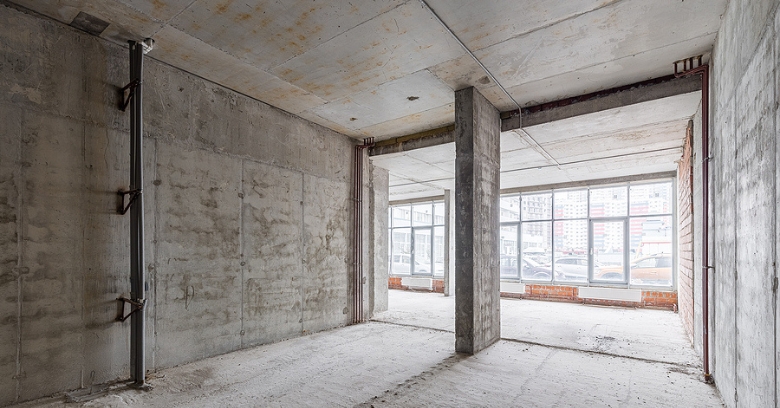
Getting ready to start Public Service Building Makeover Contractors in College Station Texas?
Good Company Construction reworks existing commercial buildings with the schedule, the access, and the code questions in mind for College Station Texas tenants.
Phone 979-401-2527 to explain the timeline you are working against.
Every Commercial Update Begins With a Question About Daily Use
A manager or board member researching Public Service Building Makeover Contractors in College Station Texas soon learn the project is shaped by what happens inside the walls every day. A clinic cannot lose its waiting room for a month, a showroom cannot hide its displays, and a school wing cannot lose its classrooms mid-term, and a good remodel plan is written around those facts.
Good Company Construction treats Public Service Building Makeover Contractors as a scheduling puzzle before it is a construction project, because they decide whether work happens by day, at night, or in short phases.
Staying Open Through a Renovation
In a building that cannot close, the work is divided into phases that isolate one area at a time. Containment and clear wayfinding keep the building usable, and deliveries and tradespeople use a path that avoids customers.
Some of the work simply has to be done when the building is empty. The loudest, dustiest, or most intrusive steps belong to the part of the schedule that has the fewest people around.
The Code Questions That Apply to Public Buildings
Rooms used by large numbers of people have to meet standards for access by people with disabilities, for fire safety, and for getting everyone out in an emergency. Altering a floor plan can bring the building under closer scrutiny, so a careful builder checks with the local authority early.
What the building is used for sets the baseline. Meeting halls, clinics, classroom wings, and warehouse showrooms sit in different categories for fire and safety planning. Local authorities in the state interpret and apply these standards in their own way, which is why the plan should be checked against local requirements.
Mechanical and Electrical Needs Change With the Floor Plan
A commercial update often asks more from the systems than the original design did. More people in a space means more heat, more power, and more demand on ventilation, so the remodel plan should confirm what the systems can carry before the new layout is final. Phone, network, and security wiring are easiest to run while walls are open.
Hidden Conditions in Aging Commercial Space
A building that has changed hands and purposes over time is rarely exactly what the old drawings show. Plumbing that no longer serves anything, wiring that nobody can trace, and framing changed for an earlier layout belong on the list of reasonable possibilities before the first wall comes down.
Whenever the condition of old finishes is uncertain, the first priority is a proper assessment, not guesswork. The requirements are specific and are followed to the letter, and it is better to know early than to be surprised.
Layout, Acoustics, and Finishes in a Working Interior
Floors, walls, and doors in a public space see steady traffic. Finishes selected for hard wear, easy maintenance, and a clean look should be chosen with maintenance in mind.
Acoustics and lighting do a lot of the work in a finished space. Hard surfaces make a room echo, while ceilings, wall panels, and soft finishes absorb sound, and good lighting design layers general light, task light, and accents.
Large Gathering Rooms Raise Special Questions
Any space designed to hold a gathering has to work for both large and small crowds. Aisles, exits, platforms, and the way people enter and leave the room are part of a single plan. Tall rooms bring structural, mechanical, and access questions, so the early conversation matters even more.
Exterior Updates That Change How a Building Is Seen
When the building is part of the brand, the entrance is the first thing a visitor sees. Parking surfaces, walkways, landscaping edges, and the entrance doors work together as a single design. Anything outdoors in a climate with strong sun and sudden storms calls for materials chosen to hold up to sun and moisture.
Beyond the Interior: Roofs, Pavement, and Drainage
Commercial roofs are usually flat or low-slope, so proper drainage and sealed penetrations are the main defense against leaks. Intense heat expands and contracts the roof surface every day, and the seams take the strain, and a quick check of the roof before the interior is finished can prevent damage to new finishes.
Site surfaces and grading often get overlooked. Cracked pavement, low spots, and drains that no longer carry water away belong on the list of things to look at when the building gets an update.
Setting Expectations Before the Work Begins
Most complaints during a project come from people who were not told. A brief weekly summary shared with staff, tenants, or the congregation lets people adapt before they are inconvenienced. A single point of contact on each side can make it easy to resolve problems the day they appear.
Seasons, Events, and Busy Periods Shape the Schedule
Businesses and congregations run on calendars that the construction schedule has to respect. Stores want to be finished before the holiday rush, congregations before the major services of the year, and offices before a lease or a move, and the owner should say early which dates matter most. Exterior work depends on the weather as well, so indoor tasks are held in reserve for bad-weather days.
Who Has to Say Yes on a Leased or Shared Property
Several parties may need to approve a remodel before it starts. Property managers may have standards for contractors and materials, and an organization may need several meetings before a plan is settled. Identifying the decision makers before the drawings are final helps everyone understand the timeline.
Commercial punch lists are longer than residential ones. Mechanical, electrical, and life-safety equipment are tested together with the finished spaces, and any open items are listed with dates for completion.
Moving From Final Inspection to Reopening
When construction wraps up, the final inspection from the local authority confirms the work meets code. The contractor and the owner walk each area, and touch-ups are written down and completed.
For a commercial space in College Station Texas that needs Public Service Building Makeover Contractors, Good Company Construction welcomes a first conversation about what the space has to do. Call 979-401-2527 to describe your building and your plans.
Verified

Verified
Verified
Verified