
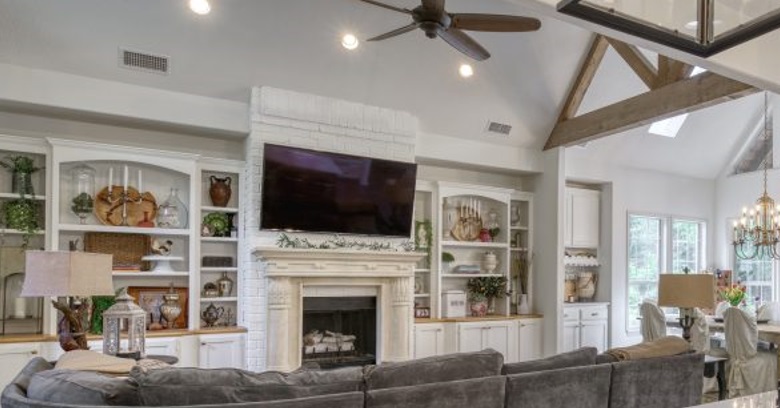
Searching for Additions to Home Contractors in College Station Texas?
Good Company Construction acts as the general contractor on additions, remodels, and whole-home projects for College Station Texas property owners.
Phone 979-401-2527 to describe the project you are picturing.
What a General Contractor Actually Does
An owner who has decided to explore Additions to Home Contractors in College Station Texas quickly finds that the role is bigger than it sounds. The contractor of record carries responsibility for how everything fits together. It sequences the subcontractors so they do not collide, and it answers for the result.
The role is quite different from performing one trade, and the difference shows in how a project runs. Framing, wiring, plumbing, and finishing each take skill, but a good result depends mostly on timing and coordination. With Additions to Home Contractors, Good Company Construction keeps one master plan that every trade works from, and owners feel the difference in how few calls they have to make.
One Team or Two? How Project Delivery Is Set Up
If the project runs as design-build, design and construction sit under the same roof and the same contract. It means the people who will build it help shape what gets drawn, and there is one place to go when a detail has to change.
The other path is a separate designer and builder, and it divides the work in a clear way. The design stands on its own as a finished package, which makes sense when the architecture is the main goal. Neither path is better in every case, and a builder can usually take on Additions to Home Contractors whether the plans are ready or not.
Additions Touch Every Part of the Building
A bump-out or added wing is not a freestanding building. The new base and the old base need to behave as one in clay soil, and flashing and slope at the junction decide whether it stays dry. Cooling load rises with every added room, and a hot summer shows it, and it is a conversation worth having early.
Everything else in an addition rests on the frame, and it is worth watching closely. Straight walls, a flat floor, and square window and door openings set the stage for a clean finish. Framers and finish carpenters agree, and they will say that rushed framing shows up as problems in every phase afterward.
Matching the New Work to the Old House
Quality work can still look like an afterthought, when the exterior details were chosen separately. Old siding and brick fade in the sun, which makes a perfect match difficult, and the owner should see the options before anything is ordered.
Rooflines are where an addition most often gives itself away, and the junction between old and new deserves extra attention. A roof that matches in slope and eave depth looks natural, and it keeps the roof shedding water in a predictable way.
What the Existing Systems Can and Cannot Carry
Every added room puts more demand on systems that were sized for the original house, and it adds up faster than most owners expect. A cooling system that kept the old rooms comfortable might struggle with a larger home through a long summer, and it is much easier to run new ducts while the framing is open. The same is true of the breaker panel and the water lines, and it is part of every careful addition plan.
Thinking Through a Project That Touches the Whole House
Work that touches every room brings the flow of the entire house into the plan. The question of where the family sleeps deserves an early answer, and the plan is shaped accordingly.
Houses of a certain age may hold hidden conditions, and it is easiest to handle with a flexible plan. Past repairs, past additions, and past shortcuts are all common finds. Telling the owner early that surprises are possible make a whole-home project easier on everyone.
Drawings and Approvals Before Anything Is Built
The larger the project, the more likely it is that a permit is required. Every jurisdiction in the state decides for itself what work needs a permit, and the builder in charge typically handles the application. Neighborhood rules on color, height, and materials can shape what is allowed, and skipping the step can force changes later.
What to Ask When You Compare Contractors
Selecting the firm that will take charge of the work has a business side and a personal side. Find out who is responsible for permits, inspections, and the final sign-off, and learn how often the owner will hear about progress.
Check that the credentials the local office expects are in place, and make sure the description of the work and the order of events are on paper. Someone who has run many larger projects tends to have a system behind the answers.
Building the Calendar for an Addition or Whole-Home Project
A schedule for a larger project is built backward from the items that take the longest, and the date for each phase follows from it. Specialty orders can run longer than any other part of the project, so the buying schedule and the building schedule move together.
When the home remains occupied, work areas are separated from living areas. Temporary walls, protected floors, and a defined work zone turn a disruptive project into a manageable one. Families that plan the daily routine around the work handle the weeks of construction with less stress.
Why Early Decisions Make for a Smoother Build
There are many selections to make before and during a job, and most owners enjoy it more when it is organized. Flooring, fixtures, finishes, windows, and hardware must be decided ahead of the day they are needed. Contractors who list the choices and their due dates saves the owner from last-minute pressure.
Drawings do more than meet the requirements of the building office, and they are the reference for every decision on site. Framers use them to lay out walls, electricians to place outlets, and plumbers to route supply and drain lines, so the clearer the plans, the smoother the build.
Closing Out an Addition or Remodel
When the building work wraps up, the owner and the contractor go through the space together. Any touch-ups are written down and completed before the job is closed, and the final inspection from the local office closes out the permit.
When Additions to Home Contractors is the next step for your property in College Station Texas, Good Company Construction can start with a conversation about the scope, the plans, and the order of work. Phone 979-401-2527 to talk it over.
Verified

Verified
Verified
Verified