
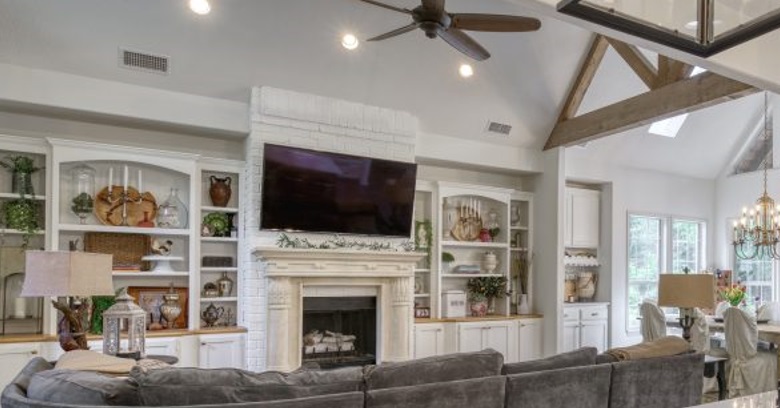
Thinking of hiring help with General Contracting Companies in College Station Texas?
Good Company Construction manages the design, the trades, and the schedule on larger home projects on College Station Texas residents.
Reach out at 979-401-2527 to describe the project you are picturing.
A General Contractor Is the Hub of the Whole Project
Most homeowners comparing General Contracting Companies in College Station Texas finds that one name stands for many different tasks. A single contractor is accountable for the project as a whole. It makes sure each trade arrives when its part is ready, and it answers for the result.
That is a different job from doing any single trade, and it is what many owners are really paying attention to. The trades are specialties in their own right, yet the project is won or lost on how smoothly the pieces connect. Good Company Construction treats General Contracting Companies as a coordination job first and a building job second, and the schedule shows it from the first week.
Who Draws the Plans, and Who Builds Them
When a project is delivered design-build, one team takes on the plans and the building together. The advantage is that building questions get asked while the plans are still easy to change, and there is one place to go when a detail has to change.
Some owners prefer to have the plans drawn independently, and it divides the work in a clear way. The drawings are finished before a builder is chosen, which fits owners who want to settle the design before choosing who builds it. The right choice depends on the project and on the owner, and a builder can usually take on General Contracting Companies whether the plans are ready or not.
What an Addition Changes About a House
A room addition ties into foundation, framing, roof, and mechanical systems that were set years before. Two foundations of different ages move differently, and the connection has to allow for that, and the roofline has to be tied in so water sheds properly. Cooling load rises with every added room, and a hot summer shows it, and an HVAC specialist can usually answer it quickly.
Framing is the quiet center of most additions, and it is rarely the part owners photograph. Walls that are plumb, floors that are level, and openings that are square make every later trade's work easier. Contractors who do this daily know, and the point is that mistakes in the frame travel all the way to the paint.
Matching the New Work to the Old House
A new room that works inside the house may look foreign from the street, unless the details of the original home were studied first. After years of sun, an older exterior has a different tone than new material, and the plan has to choose whether to match closely or to set the new section apart on purpose.
The roof is usually the first thing that shows a poor match, and the junction between old and new deserves extra attention. Carrying the original pitch and overhang through to the new section keeps the house balanced, and it limits the number of awkward valleys where leaves and water collect.
Why Added Space Raises Questions About Capacity
Every added room puts more demand on systems that were sized for the original house, and that is easy to overlook on a drawing. A cooling system that kept the old rooms comfortable might struggle with a larger home through a long summer, and a builder can have the equipment evaluated before the walls go up. The electrical panel and the plumbing supply deserve the same question, and it is part of every careful addition plan.
Whole-Home Remodels: Planning the Entire House at Once
Work that touches every room asks the owner to think about how every space works together. The question of where the family sleeps deserves an early answer, and the schedule should reflect that choice from day one.
A house that has been in the neighborhood a long time often has a history behind its walls, and a candid conversation early helps. Wiring from another era, plumbing that has been patched, and framing that has been altered are better expected than hoped against. A flexible plan and an honest conversation about the unknowns can be a sign of a contractor who has done this before.
The Boring Part of the Job That Protects You
The larger the project, the more likely the local building office needs to see plans. Every jurisdiction in the state decides for itself what work needs a permit, and the person responsible for the job usually applies. Associations often want to see plans for exterior work first, and the rules are usually easy to obtain from the association.
Questions Worth Asking Before You Choose a Contractor
Picking a contractor for an addition or remodel is partly a question of paperwork and partly a question of fit. A sensible first question is who handles the approvals from the local office, and learn how often the owner will hear about progress.
A careful owner confirms that the documents the jurisdiction asks for are in order, and see that the work and the calendar are described in a document both sides can read. A builder who is comfortable with these questions will often have a ready answer for every item.
Why Staging Matters When the House Stays Occupied
Good schedules begin with the items that cannot be rushed, and the date for each phase follows from it. Some orders have to be placed before the permit is even issued, so the buying schedule and the building schedule move together.
When the home remains occupied, the staging plan matters more. A plan for water, power, and a working bathroom throughout help a family get through the weeks of construction. Owners who prepare for this ahead of time tend to find a larger project far easier to live with.
Why Early Decisions Make for a Smoother Build
Every addition or remodel involves a long list of choices, and that part of the job is more demanding than it sounds. Doors, trim profiles, cabinet hardware, and surfaces have decision dates that work backward from the schedule. A contractor who lays out those dates at the start keeps the project from stalling on a missing choice.
Drawings do more than meet the requirements of the building office, and the quality of the set shows throughout the job. Each specialist pulls different information from the same sheets, from wall locations to fixture positions, so the clearer the plans, the smoother the build.
How a Larger Project Comes to a Close
When the last trade has finished, the contractor and the owner inspect the finished project side by side. Any touch-ups are written down and completed before the job is closed, and the local building office completes its last check.
For homeowners ready to move ahead with General Contracting Companies around College Station Texas, Good Company Construction can walk through how a project like yours would be planned and staged. Phone 979-401-2527 to describe the home you have in mind.
Verified

Verified
Verified
Verified