
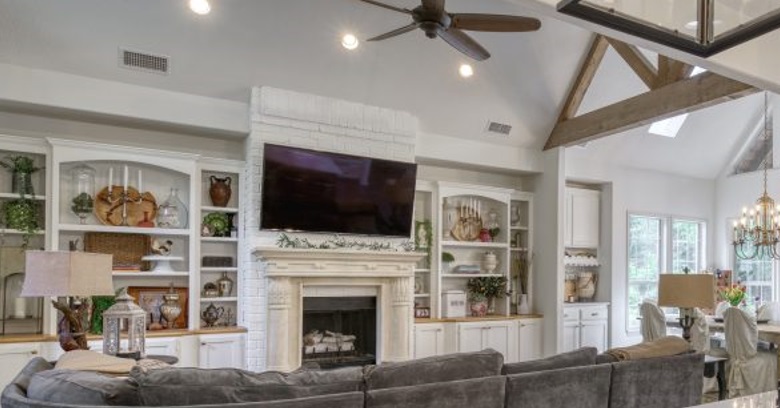
Thinking of hiring help with Room Addition to Homes in College Station Texas?
Good Company Construction coordinates the people and the paperwork behind a home addition or remodel around College Station Texas property owners.
Dial 979-401-2527 to talk through what you want built or changed.
What a General Contractor Actually Does
Anyone researching Room Addition to Homes in College Station Texas learns that the work behind the title is mostly coordination. A general contractor holds the contract for the whole project. It lines up the trades and the deliveries, and it spares the owner from refereeing between trades.
The role is quite different from performing one trade, and the difference shows in how a project runs. Framing, wiring, plumbing, and finishing each take skill, but a project fails or succeeds on how well they fit together. Good Company Construction builds its approach to Room Addition to Homes around that coordination, and the plan stays in one place where every trade can see it.
Choosing How the Design and the Building Are Organized
When a project is delivered design-build, the designer and the builder work as one group from the start. The advantage is that building questions get asked while the plans are still easy to change, and one party is responsible when something needs to be adjusted.
Another way to organize the work is design first, then bids from builders, and it has been used for many successful projects. The design stands on its own as a finished package, which fits owners who want to settle the design before choosing who builds it. Neither path is better in every case, and a good contractor can explain how Room Addition to Homes would work in either setup.
Adding Space Means Changing the Structure
A home addition is not a freestanding building. The new base and the old base need to behave as one in clay soil, and the roof has to meet the existing one without trapping water. Cooling load rises with every added room, and a hot summer shows it, and the equipment should be sized by calculation rather than guesswork.
Everything else in an addition rests on the frame, and it hides behind drywall once the job is done. Walls that are plumb, floors that are level, and openings that are square save the finish carpenters from fighting crooked surfaces. Ask anyone in the trades, and they will say that a poor frame is hard to hide.
Making an Addition Look Like It Was Always There
A structurally sound addition may stand out from the rest of the house, when the roof pitch, siding, and window style were not carried through. After years of sun, an older exterior has a different tone than new material, and the choice is better made in the plan than on site.
How the new roof meets the old one is what the eye catches, and it affects both looks and leaks. Repeating the existing slope, overhang, and trim lines pulls the two parts together, and it avoids the kind of junction that leaks after a big storm.
Behind the Walls: Systems That Must Handle More
Existing equipment was matched to the original square footage, and it is a point worth raising early. Heat is the pressing issue across the state, so the air conditioning side deserves attention first, and it is much easier to run new ducts while the framing is open. The same is true of the breaker panel and the water lines, and the findings go into the scope of work.
Thinking Through a Project That Touches the Whole House
Work that touches every room brings the flow of the entire house into the plan. Staying put is often possible for phased work and harder for a full gut, and the schedule should reflect that choice from day one.
A house that has been in the neighborhood a long time often has a history behind its walls, and it is easiest to handle with a flexible plan. Outdated electrical panels, older supply lines, and walls that were opened and closed before are better expected than hoped against. A flexible plan and an honest conversation about the unknowns can be a sign of a contractor who has done this before.
The Approval Side of an Addition or Remodel
As soon as a job alters structure, adds space, or moves systems, the more likely the local building office needs to see plans. Every jurisdiction in the state decides for itself what work needs a permit, and the paperwork usually runs through the builder. Neighborhood rules on color, height, and materials can shape what is allowed, and the rules are usually easy to obtain from the association.
How to Tell Whether a Contractor Is the Right Fit
Selecting the firm that will take charge of the work has a business side and a personal side. Ask which party deals with the city or county and the homeowners association, and ask how the trades are lined up and who supervises them on site.
Owners should expect to be able to confirm that the local paperwork is handled, and get the list of what is included, and what is not, set out in plain words. A builder who is comfortable with these questions can generally explain how each one is handled.
Building the Calendar for an Addition or Whole-Home Project
The calendar for an addition starts with whatever has the longest lead time, and the plan becomes a chain of dependencies. Specialty orders can run longer than any other part of the project, so the buying schedule and the building schedule move together.
If nobody moves out, the contractor plans how to keep part of the house livable. Sealed doorways, covered flooring, and a separate entrance for the trades help a family get through the weeks of construction. People who talk it over with the builder first usually get a smoother experience.
Keeping Decisions Moving From Plan to Punch List
The owner role is mostly deciding, and there is a lot to decide, and the choices add up over a few weeks. The visible selections that give a project its character have decision dates that work backward from the schedule. A clear list of selections with dates attached saves the owner from last-minute pressure.
Drawings do more than meet the requirements of the building office, and the quality of the set shows throughout the job. The set tells the framer where the walls go and the finisher where the trim goes, so unclear plans lead to questions on site, repeated trips back to the drawings, and avoidable delays in the schedule.
How a Larger Project Comes to a Close
When the building work wraps up, the owner and the contractor go through the space together. Anything that needs attention goes on a short list and gets handled, and the final inspection from the local office closes out the permit.
For Room Addition to Homes in College Station Texas, Good Company Construction can walk through how a project like yours would be planned and staged. Call 979-401-2527 to explain what you are planning.
Verified

Verified
Verified
Verified