
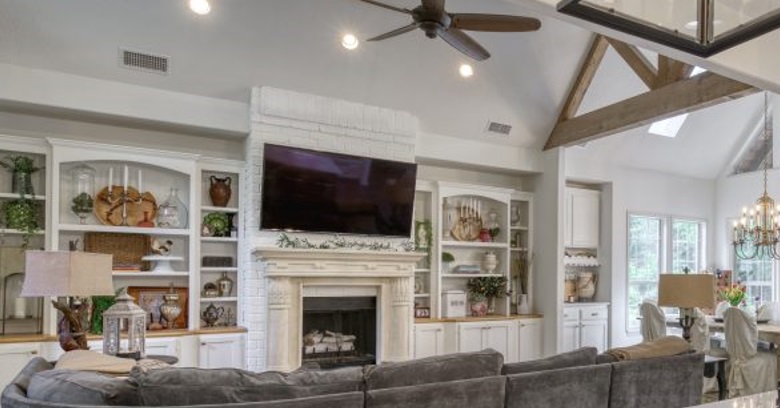
Looking for Whole Home Makeover Companies in College Station Texas?
Good Company Construction manages the design, the trades, and the schedule on larger home projects on College Station Texas homeowners.
Dial 979-401-2527 to talk through what you want built or changed.
What a General Contractor Actually Does
A homeowner who starts by searching for Whole Home Makeover Companies in College Station Texas learns that the work behind the title is mostly coordination. A single contractor is accountable for the project as a whole. It makes sure each trade arrives when its part is ready, and it spares the owner from refereeing between trades.
The work is management as much as building, and it is the part owners tend to underestimate. The trades are specialties in their own right, and the success of the job rests on the handoffs between them. Good Company Construction builds its approach to Whole Home Makeover Companies around that coordination, and that focus is what holds a larger project together.
Who Draws the Plans, and Who Builds Them
When a project is delivered design-build, the designer and the builder work as one group from the start. Problems of structure, access, and sequence surface during design, not after it, and there is one place to go when a detail has to change.
The alternative is to hire an architect or designer first, and it has been used for many successful projects. The owner gets a complete set of drawings that any contractor can build from, which suits owners who want an independent designer with a particular vision. Each approach fits some projects and not others, and a good contractor can explain how Whole Home Makeover Companies would work in either setup.
What an Addition Changes About a House
A bump-out or added wing is not a freestanding building. Two foundations of different ages move differently, and the connection has to allow for that, and the roof junction is where careful detailing pays off. Cooling load rises with every added room, and a hot summer shows it, and an HVAC specialist can usually answer it quickly.
Good framing is what makes the rest of an addition go right, and it is worth watching closely. Careful layout, accurate cuts, and checked measurements make every later trade's work easier. Ask anyone in the trades, and the point is that mistakes in the frame travel all the way to the paint.
Why the Outside of an Addition Deserves Planning Too
Quality work can still look like an afterthought, when the exterior details were chosen separately. Weathered exterior materials rarely match fresh ones perfectly, and a thoughtful builder talks through those options with the owner.
Pitch, ridge height, and overhang tell the eye whether the new part belongs, and it is worth planning before the framing starts. Carrying the original pitch and overhang through to the new section keeps the house balanced, and it makes the rainwater path easier to manage.
Behind the Walls: Systems That Must Handle More
A house is sized as a system, and an addition changes the total, and the numbers should be checked, not assumed. Heat is the pressing issue across the state, so the air conditioning side deserves attention first, and checking the load in advance prevents rework. Wiring and plumbing have capacity limits of their own, and it is part of every careful addition plan.
Bigger Scope, Bigger Planning Needs
A renovation that reaches most or all of a house brings the flow of the entire house into the plan. Whether the household stays or goes depends on the scope, and the schedule should reflect that choice from day one.
Previous owners may have changed things in ways that are not on any plan, and it is easiest to handle with a flexible plan. Systems that were adequate for older habits but not for current ones are all common finds. Setting expectations before the walls are opened keep a large project from turning into a dispute.
The Boring Part of the Job That Protects You
When a home project involves walls, additions, or systems, the more likely drawings have to be approved before work starts. What applies to a lot in town may not apply in the country, and the person responsible for the job usually applies. An HOA can require approval of exterior changes before permits are even requested, and a builder familiar with the process can help.
The Conversation to Have Before the Work Begins
Selecting the firm that will take charge of the work should weigh how the work will be run as well as who runs it. Make sure it is clear who applies for permits and who schedules inspections, and find out who will be the point of contact when a question comes up.
It is reasonable to ask for whatever the city or county requires to be shown, and make sure the description of the work and the order of events are on paper. Firms that organize their work well will often have a ready answer for every item.
Planning Phases So the Household Can Keep Functioning
The calendar for an addition starts with whatever has the longest lead time, and everything else is arranged around it. Items ordered to size often arrive long after standard stock does, so the order of ordering matters as much as the order of building.
When the home remains occupied, the project is usually organized in phases. Clear boundaries between the work area and the living area help a family get through the weeks of construction. People who talk it over with the builder first are less surprised by what the job is like day to day.
Why Early Decisions Make for a Smoother Build
A larger project asks the owner to choose many things, and a little preparation makes it much easier. The visible selections that give a project its character all have to be settled early enough to be ordered and delivered on time. Contractors who list the choices and their due dates keeps the project from stalling on a missing choice.
Drawings do more than meet the requirements of the building office, and each trade works from the same pages. Framers use them to lay out walls, electricians to place outlets, and plumbers to route supply and drain lines, so time spent on the drawings pays off in fewer stops during construction.
How a Larger Project Comes to a Close
When the last trade has finished, the contractor and the owner inspect the finished project side by side. Loose ends are collected on a punch list and cleared, and the town's final inspection signs off on the building work.
If your plans in College Station Texas include Whole Home Makeover Companies, Good Company Construction can start with a conversation about the scope, the plans, and the order of work. Phone 979-401-2527 to begin sorting out the first steps.
Verified

Verified
Verified
Verified
Verified