
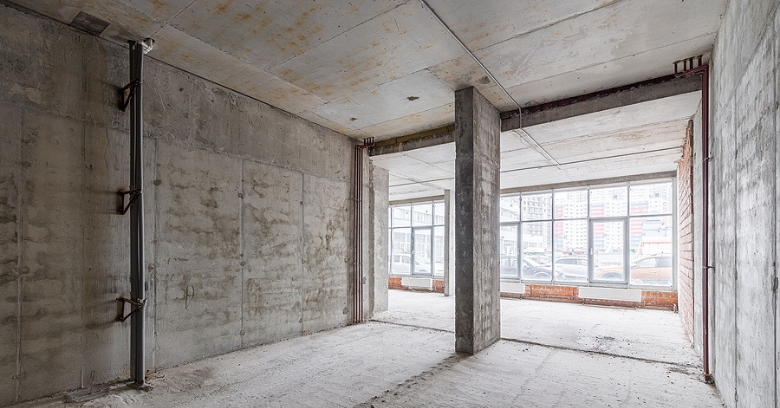
Getting ready to start Commercial Building Redesign Companies in Greater Bryan-College Station Area?
Good Company Construction reworks existing commercial buildings with the schedule, the access, and the code questions in mind around Greater Bryan-College Station Area organizations.
Call 979-401-2527 to ask how a commercial project like yours would be phased.
The Business Comes First, Then the Building
A manager or board member researching Commercial Building Redesign Companies in Greater Bryan-College Station Area usually find the operation matters as much as the construction. Retail wants foot traffic, an office wants quiet, and a place of worship wants a sanctuary ready every weekend, and the schedule is only realistic if it respects them.
On Commercial Building Redesign Companies, Good Company Construction asks what has to stay open, what can close, and how much time is available, because they decide whether work happens by day, at night, or in short phases.
Keeping the Doors Open While Construction Goes On
When customers, staff, or worshippers keep coming in, the project is broken into sections that can be sealed off. Sealed partitions and covered floors keep dust and debris where they belong, and worker access stays out of the public eye.
Noisy or disruptive steps are often pushed to evenings and weekends. Shutting down power to a panel, cutting into a slab, or refinishing a floor are usually pushed to nights, weekends, or planned closures.
Why Commercial Remodels Raise More Rules Than Homes Do
Rooms used by large numbers of people have to work for every visitor and be safe in an emergency. Altering a floor plan can bring the building under closer scrutiny, so the plan has to account for the rules from the beginning.
What the building is used for sets the baseline. Conference suites, church fellowship halls, salons, and storefronts are treated differently by the codes that govern them. Rules differ from city to city and county to county across the state, which is another reason to talk to the local office early.
Systems Behind the Walls Set the Limits of a Remodel
A commercial update often asks more from the systems than the original design did. Modern equipment and a fuller floor can strain a panel that was installed long ago, so capacity is checked early rather than discovered halfway through. Low-voltage systems should be laid out at the same time as the walls.
Opening the Walls: Surprises and How They Are Handled
A structure whose records are incomplete usually has a few secrets above the ceiling and inside the walls. Walls that were moved, floors that were patched, and openings that were closed in without much record are far easier to handle when they were mentioned at the start.
If testing suggests that something needs special handling, the first priority is a proper assessment, not guesswork. The proper process is set by regulation, not by the contractor's preference, and the schedule is adjusted when it applies.
Making Interior Space Fit the People Who Use It
A business interior is expected to look good under constant use. Flooring that resists scuffs, wall surfaces that clean easily, and doors and hardware built for heavy use make a bigger difference to a commercial space than most owners expect.
Noise and lighting levels affect comfort more than most people realize. Open offices, dining rooms, and sanctuaries all have their own sound problems, and each has its own fixes, and the lighting layout is easiest to settle before the ceiling is closed.
Remodeling a Place of Worship or Meeting Hall
Every kind of assembly space serves a purpose that most other rooms do not. The number of people the room holds, how they move, and how quickly they can leave cannot be treated as separate decisions. Wide spans and high walls change how the work is staged, so schedules for these rooms need extra planning.
Exterior Updates That Change How a Building Is Seen
When the building is part of the brand, the exterior is as important as the interior. Doors, windows, canopies, and exterior finishes work together as a single design. Finishes exposed to strong UV and heavy rain calls for materials chosen to hold up to sun and moisture.
Why the Exterior Shell Belongs in the Remodel Conversation
A typical commercial roof is built to hold water back and then shed it slowly, so the roof needs to be checked whenever the interior below is being changed. Heavy downpours, summer heat, and strong sun put the membrane and the seams under stress across the state, and a quick check of the roof before the interior is finished can prevent damage to new finishes.
Site surfaces and grading often get overlooked. Ponding at the entrance, settling near the building, and slopes that send water toward the doors can create safety and access problems that a remodel is a good chance to correct.
Setting Expectations Before the Work Begins
A remodel is much easier on everyone when people know what is coming. A brief weekly summary shared with staff, tenants, or the congregation helps everyone plan around the work. A single point of contact on each side can keep small issues from becoming big ones.
Planning Around the Rhythm of the Business Year
Commercial buildings do not all slow down at the same time of year. Restaurants often choose the slowest weeks, while offices may prefer weekends or evenings, and the work is organized so the important dates are protected. In much of the state, hot afternoons and storm seasons limit what can be done outside, so outdoor phases are scheduled with some flexibility.
Owners, Tenants, and Approvals
A leased space adds a landlord to the list of people who must agree. Property managers may have standards for contractors and materials, and a congregation may need a vote or a building committee to approve the plan. Making a list of every required sign-off helps everyone understand the timeline.
The final stage of a commercial project has its own checklist. Operating manuals, keys, and records are handed to the owner as the work is completed, and any open items are listed with dates for completion.
The Last Steps Before the Doors Reopen
As the last trade leaves, the final inspection from the local authority confirms the work meets code. A last look at every room happens before the handover, and small corrections are listed and handled.
For a commercial space in Greater Bryan-College Station Area that needs Commercial Building Redesign Companies, Good Company Construction welcomes a first conversation about what the space has to do. Call 979-401-2527 to share what the space needs to do.